China and Pakistan are publicly positioning themselves as peacemakers between Iran and the United States — but the talks have yet to produce a lasting deal, raising serious questions about whose interests are actually being served.
Story Snapshot
- Chinese President Xi Jinping met Pakistani Prime Minister Shehbaz Sharif at the Great Hall of the People in Beijing on May 25, praising Pakistan’s “proactive role” as a mediator in the Iran conflict.
- Pakistan hosted direct face-to-face contacts between U.S. and Iranian officials, but those talks failed to yield a lasting agreement.
- Sharif traveled to Beijing specifically to push renewed urgency in U.S.-Iran negotiations, with the conflict still unresolved.
- Analysts question whether China’s enthusiastic backing of Pakistan’s mediation reflects genuine peacemaking or Beijing’s strategic self-interest in the region.
Xi Praises Pakistan as Middle East Peacemaker
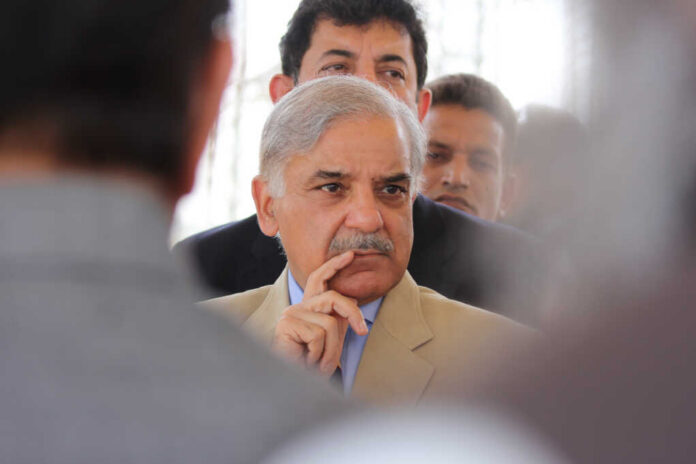
Chinese President Xi Jinping met Pakistani Prime Minister Shehbaz Sharif at the Great Hall of the People in Beijing on May 25, with Chinese state media reporting that Xi praised Pakistan for “taking the initiative to play a mediating role in restoring peace in the Middle East.” [6] Xi called Sharif an “old friend” and said the two nations “understood, trusted and supported each other,” signaling a deepening strategic alignment between Beijing and Islamabad during a volatile moment in the Middle East. [12]
Sharif began a four-day official visit to China with the Iran conflict as the centerpiece of discussions. [1] According to Radio Free Europe/Radio Liberty, Sharif traveled to Beijing specifically to push for renewed urgency in U.S.-Iran negotiations, underscoring that the diplomatic track remains active but unresolved. [9] The South China Morning Post reported that China lauded Pakistan’s “proactive role” as a peace broker, with both sides pledging close coordination going forward. [10]
Pakistan Hosted U.S.-Iran Contacts, But No Deal Was Reached
Pakistan’s claim to a meaningful mediating role rests on the fact that it hosted the only known direct negotiations between U.S. and Iranian officials since the war began. [1] That is a significant diplomatic achievement for Islamabad. However, those talks failed to produce a lasting agreement, and the conflict continues. [1] Sharif told his Beijing hosts that mediation efforts were “moving in the right direction,” but that optimistic framing stands in contrast to the absence of any concrete settlement on the ground. [10]
The gap between diplomatic signaling and actual results matters. Pakistan is receiving substantial political credit — from both Beijing and its own government — for a mediation process that remains incomplete. This is a well-recognized pattern in back-channel diplomacy, where the value of being seen as a broker can outweigh the value of a finished deal. For American interests, a stalled process managed by two nations closely aligned with each other raises legitimate concerns about whether Washington’s negotiating position is being accurately represented at the table. [9]
China’s Strategic Interests Behind the Peace Talk
Beijing’s enthusiastic endorsement of Pakistan’s mediating role deserves scrutiny. China has deep economic and strategic interests in Middle East stability, particularly in protecting energy supply chains and expanding its influence in a region where U.S. power has historically dominated. Praising Pakistan publicly while coordinating closely with Islamabad gives Beijing a seat at the diplomatic table without requiring direct Chinese involvement — a low-risk, high-reward posture. [10]
🚨 XI PRAISES PAKISTAN’S IRAN MEDIATION ROLE IN BEIJING TALKS
Pakistani PM Shehbaz Sharif met Chinese President Xi Jinping in Beijing on Monday, joined by army chief Asim Munir.
Xi praised Pakistan for taking initiative to mediate Middle East peace and urged coordination… pic.twitter.com/OpsZHZYio1
— NewsForce (@Newsforce) May 25, 2026
From a conservative American perspective, this arrangement warrants careful watching. The Trump administration has been directly engaged in Iran negotiations, and the involvement of China-aligned intermediaries introduces the possibility that U.S. negotiating positions could be compromised or that the process could be shaped to serve Beijing’s interests rather than America’s. Pakistan has historically played both sides of geopolitical conflicts, and China’s “iron brother” framing of the relationship signals that Islamabad’s loyalties in any mediation are not neutral. [12] Americans should expect their government to verify — not simply trust — what is being relayed through this diplomatic channel. [9]
Sources:
[1] Web – China’s Xi meets Pakistan PM Sharif as Iran war mediation drags on
[6] Web – President Xi Jinping Meets with Pakistani Prime Minister Shehbaz …
[9] Web – PM Sharif In China As Pakistan Steps Up Iran Mediation Efforts
[10] Web – China lauds Pakistan’s ‘proactive role’ in US-Iran peace talks and …
[12] Web – China praises Pakistan’s mediation role in US-Iran peace talks