
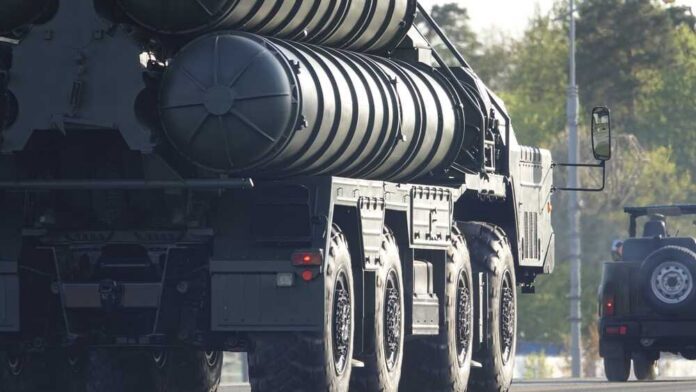
Russia confirmed talks with Turkey over a possible S-400 missile resale, calling the matter “highly sensitive,” as Ankara weighs moving the Russian-made systems to a Gulf buyer.
Story Snapshot
- The Kremlin says it is in contact with Turkey about the fate of its S-400 systems.
- Moscow labels the reported resale discussions “highly sensitive,” offering few details.
- A Turkish media report says a resale to a Gulf nation is under consideration.
- Past statements stress the original deal’s limits on technology transfer and control codes.
Kremlin Confirms Contacts, Stresses Sensitivity
Kremlin spokesperson Dmitry Peskov said Russia remains in contact with Turkey about the S-400 issue and called the topic “highly sensitive” for both sides. He declined to share specifics or confirm any permission for a resale. His comments followed reports from Turkish outlets that Ankara could move the systems to a Gulf nation. The cautious language signals Moscow wants control over where its advanced air defense ends up and how any transfer is framed publicly.
Earlier coverage said Russian and Turkish officials continue to meet existing obligations under their S-400 agreements. Peskov has stated that actions are taken in line with the terms, even as outside scrutiny grows over potential third-party transfers. Russia’s message stays consistent: contacts continue, obligations stand, details remain private. That stance keeps leverage in Moscow’s hands while Turkey tests options that might ease pressure from Western sanctions and restore access to advanced Western jets.
Turkish Reports of a Gulf Resale Option
A leading Turkish newspaper reported that Ankara could announce the resale of the S-400 to a Gulf nation. The report did not include documents or public contract terms. The Kremlin did not confirm any approval and kept details close. Even so, the idea of shifting the system out of Turkey could address political costs that came with the original purchase. That includes Western sanctions laws and the freeze on Turkey’s role in a major fighter program.
Past Russian statements also complicate any transfer. Russian officials have said the S-400 deal did not include technology sharing or access to internal control codes. That limits how buyers can modify or integrate the system. Such limits can also restrict resale without Moscow’s blessing. These details matter because they shape what Turkey legally owns, what it can pass on, and whether a new buyer could field a full, ready system without new agreements with Russia.
Why This Matters for American Interests
This shift touches U.S. security and spending. Turkey’s move to buy the S-400 years ago split the North Atlantic Treaty Organization’s air defenses and triggered sanctions on a key ally. If Ankara sends the system to a Gulf state, Washington will face new choices. Who controls the system’s codes? Where is the radar pointed? How will this affect U.S. jets and bases in the region? Clear answers help protect our troops and avoid new costs for countermeasures or basing changes.
For conservatives, this is also about accountability. The Countering America’s Adversaries Through Sanctions Act punished the first deal. That pressure aimed to protect allied technology and prevent leaks that could help Russia. If the system moves again, the United States should guard against any backdoor that could undermine American air power or drain taxpayer dollars. Strong oversight and tight conditions on any related sales must come first, not last.
What Moscow and Ankara Could Be Signaling
Russia’s careful words suggest a familiar tactic: keep options open, avoid firm promises, and use ambiguity for leverage. By calling the talks “highly sensitive,” Moscow reminds buyers that it controls keys and training. Turkey’s interest in a resale hints at a path to reduce sanctions pain and rebuild ties with Western programs. Both signals create pressure on a potential Gulf buyer, which must weigh ties with Washington against the appeal of a long-range air defense system.
Kremlin Discusses Letting Turkey Resell Russian S-400 Missile System to Third Country – The Kremlin stated on July 10, 2026, that it is actively discussing with Turkey the possibility of allowing the resale of Russian-made S-400 air defense missile systems to a third country.…
— Planet Today (@PlanetTodayNews) July 10, 2026
There are limits to what is known. The Kremlin has not confirmed it granted permission for any transfer. No public documents show resale terms, access to codes, or integration plans. Ankara and Moscow both say they are honoring existing obligations, but they are not sharing the fine print. Until a signed, public agreement appears, key details remain uncertain. That said, the talks are real, and the stakes for U.S. security and allied air power are clear.
Sources:
insiderpaper.com, jamestown.org, aa.com.tr, researchcentre.trtworld.com