As deadly quakes and brutal heat pound southwest Japan, thousands of shaken families are choosing to sleep in their cars rather than crowd into hot, noisy gym shelters.
Story Snapshot
- Powerful earthquakes in Kumamoto left tens of thousands without power and pushed thousands into evacuation centers.
- Many residents, scared of aftershocks and cramped conditions, are sleeping in cars in parking lots and open areas.
- Japanese officials are racing to add air conditioning and power to shelters as temperatures near 39°C.
- The crisis shows how fast basic comfort and safety can vanish when infrastructure fails, a warning for every advanced nation.
Quake Damage Forces Mass Evacuations And Blackouts
A strong earthquake struck Kumamoto Prefecture on Japan’s Kyushu island, collapsing buildings, triggering fires, and killing dozens of people across rural communities. Rail lines shut down, roads cracked, and a shopping mall explosion left workers trapped under debris as rescue crews rushed in. About 40,000 homes lost electricity at first, and days later roughly 36,900 houses were still in the dark while gas and phone networks also failed in some areas. Officials told about 300,000 residents to evacuate to safer ground as aftershocks continued to shake the region.
Japanese leaders ordered wide evacuations as damage reports grew and fears of new tremors spread. The Fire and Disaster Management Agency said more than 260,000 people were advised to get out, mostly in Kumamoto but also in nearby Nagasaki. Thousands moved into school gyms and other public buildings, which quickly filled with mats and cots lined up in rows. Local television showed families carrying bags and blankets, stepping over extension cords, and trying to find small corners of space to rest while rescue work went on through the night.
Cramped Shelters Push Families Into Cars
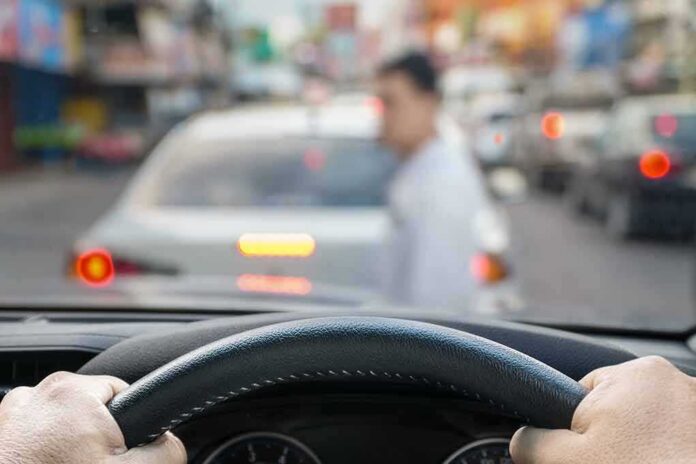
As evacuation centers filled, many residents simply chose not to bed down inside. In the hard-hit town of Mashiki after a previous Kumamoto quake, thousands spent their third night not only in centers but in parked cars and even outside in the open air, because shelters were full and crowded. One 52-year-old resident told reporters, “I sleep in a car and stay in this tent during the day,” showing how people used vehicles as makeshift bedrooms when indoor space ran short. That pattern is repeating today in southwestern Japan, with fresh video showing displaced families again bedding down in their cars after the latest deadly quake.
Recent reports say residents evacuated from damaged homes are now sleeping in their vehicles in lots and roadside areas after this week’s powerful quake killed at least 25 people. Many remain deeply afraid of more aftershocks, so a car feels safer than a big building with a shaking roof overhead. Cars also offer privacy, a sense of control, and distance from the noise of hundreds of people packed into one gym. For older people, parents with young kids, and those with health issues, that difference can mean the ability to get even a few hours of real sleep instead of none at all.
Heat, Power Shortages And The Strain On Evacuation Centers
Brutal summer heat is turning both shelters and cars into ovens, adding a new layer of danger for people who already survived a quake. Weather forecasts in Kumamoto call for highs up to about 39 degrees Celsius, raising real risk of heatstroke for tired evacuees and rescue crews working in helmets and heavy gear. Nearly 23,000 homes are still without electricity in some rural areas, and more than 10,000 people are staying in around 400 shelters that struggle to keep air flowing and lights on.
Japan’s Defense Minister Shinjiro Koizumi announced that 300 air conditioning units were being sent to Kumamoto, with about half dedicated to evacuation centers to cool crowded rooms. Government spokesman Minoru Kihara said extra power sources were being added so shelters could run air conditioning and basic equipment for evacuees. These steps may help people inside official centers, but families sleeping in cars still face long, hot nights, cracked roads, and limited access to steady food and medical care. The situation shows how even a wealthy, high-tech country can see basic comfort and safety vanish overnight when the ground starts to move.
Sources:
youtube.com, nytimes.com, aljazeera.com, www1.rcep.dpri.kyoto-u.ac.jp, earth-planets-space.springeropen.com, npr.org, pubs.usgs.gov, nbcnews.com, abcnews.com