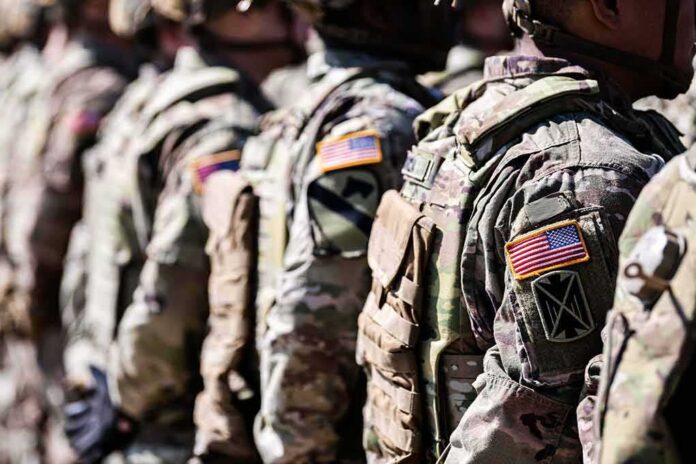
The Pentagon doubled hostile fire pay and raised imminent danger pay for the first time since 2002, effective immediately.
Story Highlights
- Hostile fire pay rises to $450 per month; imminent danger pay to $275 per month.
- This is the first increase in these pays since 2002, now in effect as of Oct. 1, 2026.
- Eligible service members are those in certified hostile incidents or designated danger areas.
- Officials say the change better reflects risk borne by troops as the Iran conflict continues.
What Changed And When It Takes Effect
Defense leaders approved new monthly rates for two long-standing special pays. Hostile fire pay now stands at $450 per month. Imminent danger pay now stands at $275 per month. Reports describe this as the first increase since 2002. The change took effect Oct. 1, 2026, and applies going forward. Outlets covering the announcement cite an internal memorandum that set the rates and start date. That makes this a clear policy update, not a trial balloon or rumor.
Under the policy, troops do not receive both pays at once. The two pays are treated as either-or. Defense Finance and Accounting Service guidance explains who qualifies. Hostile fire pay is for those subjected to hostile fire or in close proximity to such incidents. Imminent danger pay is location based. It applies when a service member serves in a designated foreign area with elevated danger. The new rates do not change these core rules, only the amounts paid.
Who Qualifies And Where It Applies
Defense pay authorities maintain lists of designated danger locations and spell out unit-level certification for hostile incidents. Reporting notes dozens of recognized areas tied to current operations across the Middle East and nearby waters. Those include areas relevant to the war with Iran and related maritime routes. That means sailors, soldiers, airmen, and Marines in those zones can see the new rate if they meet eligibility. The benefit remains targeted, not universal across the force.
Defense officials linked the update to the real risk service members face. One senior personnel official said those who face combat deserve higher pay that matches the danger they accept for the nation. That message fits a long pattern. Congress and the Pentagon use special and incentive pays to reward hard, high-risk duty and to help retention. The frames differ by conflict, but the core idea is steady: pay should reflect danger and sacrifice.
How This Fits Long-Running Pay Policy
These pays are part of a larger compensation system governed by Defense regulations. The rules state that imminent danger pay may be paid when a member faces threats like terrorism, civil war, or wartime conditions in a designated foreign area. Hostile fire pay triggers with certified hostile action or exposure. The two pays remain mutually exclusive. For years the flat rate sat at or near $225, which is why this reset stands out after more than two decades.
Coverage placed the change alongside the continuing Iran conflict and ongoing deployments. That link explains where many recipients serve today, especially at sea and across the region. But the policy itself is broader and rooted in long-standing statutes and Defense Finance and Accounting Service practice. It aims to match pay with risk, not to signal strategy. The bottom line for families is simple: eligible deployed troops will now see larger special pay in their checks.
Why It Matters To Military Families And Taxpayers
Raising special pay helps families cover rising costs when a loved one deploys into harm’s way. Long gaps without updates erode the real value of these pays. Restoring them shows respect for the people who stand watch so America stays safe. It also supports readiness by helping keep experienced troops in uniform. At a time of global threats, that is common sense. This is a targeted use of funds to back the mission with fair compensation.
What To Watch Next
Service members should confirm eligibility through their chain of command and finance office. Pay systems will apply the new monthly rates for qualifying duty from Oct. 1 forward. The Defense Finance and Accounting Service maintains the governing tables and instructions. As operations shift, designated areas can change. Families should track official updates so they know what to expect. Clear rules, timely updates, and prompt pay accuracy remain essential for morale and mission success.
Sources:
iranintl.com, taskandpurpose.com, newsmax.com, sofx.com, deseret.com, militarywatchmagazine.com