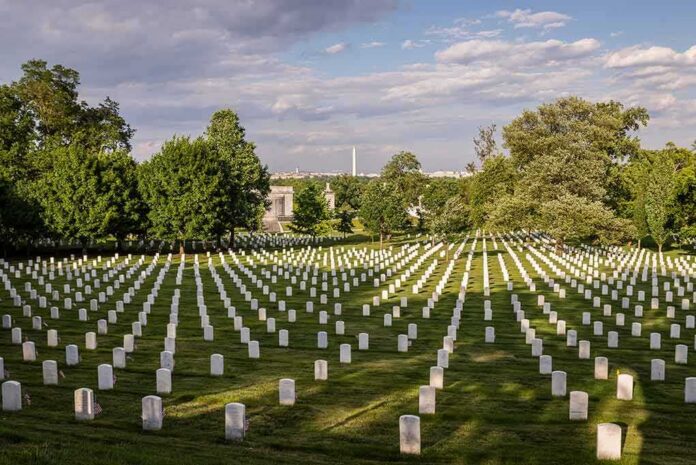
California left $10 million for an Orange County veterans cemetery at risk by not drawing it down before the federal deadline, despite bipartisan pleas to act.
Story Highlights
- Bipartisan lawmakers urged California to preserve a $10 million federal offer for the Gypsum Canyon veterans cemetery.
- Orange County leaders and the state previously set aside tens of millions for the project, signaling it was ready to move.
- State budget statements touted support for the cemetery, yet the federal window was allowed to lapse, according to lawmakers.
- The Veterans Cemetery Grants Program runs on firm, annual timelines that raise the stakes for delay.
Bipartisan Pressure Met With State Inaction Before Fiscal Deadline
On September 25, 2026, Republican and Democratic members of Congress urged California to act to preserve a $10 million federal commitment for the Southern California Veterans Cemetery at Gypsum Canyon. Their letter pressed the state to take “all necessary steps” to secure the funds and warned there was no guarantee the money would remain in a future year. Representative Young Kim said California’s veterans department had indicated it would not draw down the funds before the end of the federal fiscal year.
Lawmakers framed the risk as immediate because the federal fiscal year ends September 30. They argued the money was on the table but needed state action to lock it in. The caution came after years of local work to advance the site. The message was simple: if the state waited, the project could lose federal help. The call was notable for its bipartisan tone and clear deadline. It aimed to prevent avoidable loss for veterans and families.
Local Support And Funding Signaled Project Readiness
Orange County’s Board of Supervisors had unanimously backed the grant push weeks earlier. Board materials show a vote supporting the California veterans department’s application to the federal Veterans Cemetery Grants Program. County and state funds had been committed in past actions, including $20 million from the county for site work in 2021 and additional state budget support, bringing combined construction funding to about $50 million, according to Representative Derek Tran’s office. Reporting also described more than $78 million set aside across governments.
Those steps suggested the project had moved beyond talk. The county’s public stance, the earlier appropriations, and state budget language all pointed to a green light. That is why local and federal officials expressed concern when the state veterans department did not secure the federal dollars by the window. Supporters said the public had waited long enough for a dignified resting place close to home. They argued the pieces were in place and the state needed to finish the job.
State Says It Invested; Federal Timelines Still Demand Action
Governor Gavin Newsom’s office said in July that California invested $34 million to support veterans and to advance construction of the Southern California Veterans Cemetery. The statement included $10 million in expenditure authority for early plans and work on Phase I. Those claims show the project was a named priority in the state budget. But congressional letters later warned that, despite these statements, the federal offer could lapse without timely state steps to draw down the funds.
The federal Veterans Cemetery Grants Program operates on strict, annual cycles. Applicants must meet program requirements and fiscal-year timelines to secure funding. The Department of Veterans Affairs states preapplications are due July 1, and applications for the next fiscal year are due by mid-July. Federal funds are appropriated annually and are available until expended, but projects still must clear required steps on time. That structure makes delay costly, even for projects with strong local backing.
What We Know, What We Do Not, And Why It Matters
The record shows bipartisan warnings, a missed window to draw funds, and strong local support. It does not include the state veterans department’s full internal reasoning or a formal, written rejection of the grant in the public file. Lawmakers said the agency had not completed basic requirements and did not plan to move before the deadline. That gap leaves questions about site control, paperwork, or other conditions that may have slowed action.
CA let the clock run out on $10M in federal funding for our Orange County Veterans Cemetery.
Our veterans should not have to pay for Sacramento’s failure to act.
I’m not giving up & won’t stop until our veterans get the final resting place they deserve, right here at home.🇺🇸 pic.twitter.com/ozeVzGXLvt
— Young Kim (@RepYoungKim) October 2, 2026
For veterans and families, the stakes are clear. Delay means longer drives to honor loved ones and more uncertainty for those who served. For taxpayers, delay risks wasting leverage that federal dollars provide. For leaders, the lesson is accountability. When a program sets hard dates, agencies must meet them or explain why. Californians deserve straight answers and a plan to secure every available dollar and finally deliver this cemetery with dignity and speed.
Sources:
cnav.news, youngkim.house.gov, gov.ca.gov, correa.house.gov, tran.house.gov, voiceofoc.org, ocregister.com