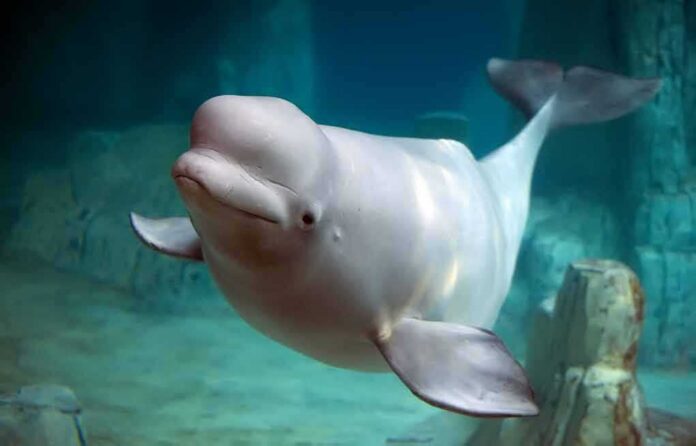
As Canada’s troubled Marineland park collapses, 28 stranded beluga whales are being rushed to U.S. aquariums in a high‑stakes rescue that exposes how mismanaged foreign parks—and activist pressure—can threaten innocent animals and test American leadership.
Story Snapshot
- U.S. officials approved an emergency plan to move 28 belugas from shuttered Marineland in Canada to American aquariums.
- Marineland warned it might euthanize the whales because it could no longer afford long‑term care, forcing a fast decision.
- Canadian and U.S. agencies backed accredited aquariums, while activist groups attacked the plan for keeping whales in captivity.
- The case shows why strong oversight and clear rules matter when foreign parks fail and animals’ lives hang in the balance.
From Failed Canadian Park to U.S. Emergency Rescue
Marineland in Niagara Falls, Ontario, once a busy marine theme park, closed to the public in 2024 but left 30 beluga whales behind in aging tanks. Over those years, at least 19 belugas died there, raising serious questions about past care at the Canadian facility. As the park’s finances collapsed, Marineland told officials it might euthanize the remaining whales if it could not secure exports or government aid, putting a hard deadline on any rescue effort. That warning pushed Canadian and American regulators to act.
The United States National Oceanic and Atmospheric Administration (NOAA) formally approved an emergency rescue plan under the Marine Mammal Protection Act to bring most of these whales into American care. Fisheries and Oceans Canada endorsed the same plan, clearing exports once each whale passes health checks by Canadian veterinarians. This joint action means the belugas are treated not as trade goods but as distressed animals who need urgent help. The rescue will unfold over several weeks and months as teams move and stabilize each whale.
Where the Belugas Are Going and Why It Matters
Under the plan, 28 belugas will go to four U.S. facilities: 13 to SeaWorld San Antonio, 3 to SeaWorld San Diego, 10 to Shedd Aquarium in Chicago, and 2 to Georgia Aquarium in Atlanta. Two more whales are slated for Oceanogràfic Valencia in Spain once its government issues final permits. All of the U.S. aquariums involved are accredited by the Association of Zoos and Aquariums and say they have the veterinary teams, medical gear, and space needed to provide long‑term care. Mystic Aquarium will add backup support even though it is not taking whales itself.
Georgia Aquarium describes the move as a “mission critical” rescue, stressing that Marineland is in financial crisis and can no longer meet basic care standards for such large, complex animals. SeaWorld and the other aquariums also call this an emergency, not a normal business transfer. For many conservative Americans, this looks like a clear‑cut case where U.S. institutions step in to save lives after foreign mismanagement. Instead of leaving the belugas to a failing park or distant overseas deal, American facilities are taking responsibility, under U.S. law, for animals that would otherwise face death.
Activist Backlash and the Captivity Debate
Animal‑rights organizations are pushing a very different story, claiming that the “most humane” outcome would be to send the belugas to open‑water ocean sanctuaries instead of aquariums. Groups such as Dolphin Project argue that moving whales from one captive setting to another does not solve what they see as the deeper problem of captivity itself, and they frame the choice between export and euthanasia as a false and unacceptable dilemma. Some advocates also demand strict bans on breeding and shows for the rescued whales, warning that aquariums could benefit from new animals through future ticket sales.
These critics, however, have not shown that a real, permitted, funded sanctuary for belugas currently exists, ready to take all 30 whales. Past sanctuary ideas—for similar species like orcas—have often stalled on politics and permits, leaving animals stuck while plans drag on. Meanwhile, the Canadian park was already failing, animals were dying, and Marineland itself raised the threat of euthanasia. Facing those facts, NOAA and Canadian regulators chose the option that could be carried out quickly, with known facilities and trained medical staff, rather than betting the whales’ lives on an unbuilt sanctuary.
What This Rescue Signals About Policy and Priorities
This case fits a long‑running pattern: when foreign marine parks crash, government agencies tend to move whales and dolphins into established aquariums, not experimental sanctuaries. Aquariums gain animals and public‑relations points, while regulators gain a clear path to keep distressed animals alive and under watch. That setup can worry some conservatives who dislike government‑favored institutions, but here it also shows something important—when lives are on the line, U.S. rules and U.S. capacity still matter. American facilities are stepping up while a foreign park falls apart.
U.S. approves relocation of Marineland belugas. Final Canadian authorization will follow health checks before transfer. Fisheries and Oceans Canada rejected Etok’s idea to release them into the Arctic, saying belugas that have spent years in captivity lack https://t.co/9ifIGmwxTd
— Bering/Chukchi News (@BeringChukchi) July 9, 2026
For readers who care about limited government and common‑sense oversight, the key question is balance. On one side, activists want sweeping changes to end captivity outright. On the other, regulators and aquariums are dealing with real animals in real time, trying to stop more deaths after years of problems at Marineland. The Trump administration’s NOAA approval did not create this crisis; it answered it. By insisting on health checks, accredited care, and a legal rescue framework, U.S. authorities put survival first while leaving space for future debate about sanctuaries and breeding rules.
Sources:
washingtontimes.com, blooloop.com, cbc.ca, people.com, globalnews.ca, reddit.com, tr.pinterest.com, dolphinproject.org, tiktok.com, wusa9.com