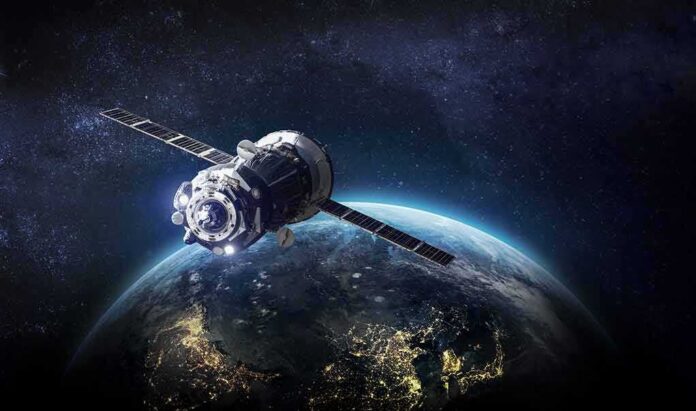
A U.S. satellite company has partly “gone dark” over Iran and the Middle East after a Trump administration request aimed at stopping enemies from using commercial space photos to target American forces and allies.
Story Snapshot
- Planet Labs confirmed it is withholding war-zone satellite images after a request from President Trump’s administration.
- The company says the goal is to stop Iran and other adversaries from using commercial imagery to plan attacks.
- Reporters and aid groups are upset, but the restriction is limited to sensitive areas and key war timelines.
- The move highlights a growing fight between national security needs and real-time “spy photos” for the public.
Trump Team Asks Satellite Firms To Limit Iran War Images
Planet Labs, a major U.S. satellite imaging company based in California, told customers it would withhold high-resolution pictures over Iran and parts of the Middle East after a request from President Trump’s administration. The company said the U.S. government asked all satellite imagery providers to “voluntarily implement an indefinite withhold of imagery” for specific areas tied to the Iran war. The blackout covers images going back to March 9 and focuses on the active conflict zone.
In emails to news outlets and other clients, Planet Labs explained that the step was about security, not politics. The company said these are “extraordinary circumstances” and that its decisions try to balance its “transparency mission” with national security and the safety of people on the ground. Earlier in the conflict, Planet Labs had tested softer limits, like a 96-hour hold and then a 14-day delay on new images over the Middle East.
New “Managed Access” Model: How The Blackout Works
Planet Labs is not turning off all its satellites; it is changing who can see what and when. The firm is shifting to a “managed access” or “managed distribution” model, where images from restricted areas are held back by default and then released only case by case. Planet Labs says it will still approve access when there is an “urgent, mission-critical requirement” or when requests clearly serve the “public interest,” such as some humanitarian or safety uses.
The restrictions apply mainly to Iran and nearby countries tied to the fighting, including parts of Pakistan, Afghanistan, Turkmenistan, Uzbekistan and Azerbaijan, where military traffic and strikes may be taking place. For most of the rest of the world, Planet Labs states its normal service continues. The company has said that nearly all images held back earlier in the war between March 9 and July 1 have since been released once the immediate danger window passed. That suggests this system works more like a time delay than a permanent blackout in many cases.
Why National Security Hawks Back The Move
U.S. officials requested the voluntary hold because commercial satellite pictures are now good enough to help Iran and its partners spot targets, track troop movements and watch bases in near real time. Planet Labs itself has said the goal of the delay is to keep “adversarial actors” from “leveraging” its imagery for attacks against the United States and its allies. This is especially important while American and Israeli forces are striking Iranian military sites and watching for retaliation.
For conservatives who remember how leaks and unsecured data have put troops at risk in past wars, this looks like basic common sense. The federal government is not seizing the satellites or censoring all coverage; it is asking American companies to slow down the release of data that enemies can also buy. In a world where hostile regimes and terror groups can swipe a credit card for high-resolution images, a wartime pause over active targets can be seen as a reasonable tradeoff to protect U.S. service members and allied civilians.
Critics Warn About Transparency And Press Freedom
Journalists and humanitarian groups, especially in Europe and on the American left, have complained loudly about the move. They argue that commercial satellite imagery has become a key tool to check government claims, verify civilian damage and expose war crimes when reporters cannot reach the ground. Some outlets describe Planet Labs as “one of the most important” sources for covering the U.S.-Israeli strikes in Iran and Iran’s counter-attacks across the region.
Satellite Images Show Iran Rebuilt Bombed Missile Bases Within WEEKS
At a missile base near Kangavar in western Iran, Planet Labs imagery from March showed the tunnel entrances and access road destroyed. Weeks later, Airbus images showed a freshly paved road and newly excavated… pic.twitter.com/EpP5RfU2Af
— Ryan Rozbiani (@RyanRozbiani) July 25, 2026
These critics claim the blackout could hide mistakes or abuses and makes it harder to hold any side accountable. But even they admit the request is framed as voluntary and based on security concerns, not a formal gag order. Planet Labs says it is still weighing “public interest” when deciding whether to grant access, and it stresses that restrictions are tied to the duration of the conflict, not meant as a permanent new rule. That leaves room for more transparency once immediate threats ease.
Big Picture: Security First In A New Satellite Age
This clash shows how much the world has changed since past wars. Once, only spy agencies could see detailed images from space; now, private companies like Planet Labs sell them to anyone. Those images help watchdogs and honest reporters, but they also help regimes like Iran that chant “Death to America” and threaten our troops and allies. In this new world, the same photo that checks a government claim can also guide a missile.
For many on the right, that means American leaders have a duty to put national security ahead of real-time imagery for activists and foreign media. The Trump administration’s request stays within the law, works through U.S. private firms and targets a hot war zone where American forces are in harm’s way. The debate will continue, but one thing is clear: when hostile powers can buy the same satellite pictures as your own military, guarding that data during a shooting war is not censorship. It is common sense defense.
Sources:
independent.co.uk, ndtv.com, bloomberg.com, facebook.com, instagram.com, bbc.com, reddit.com