
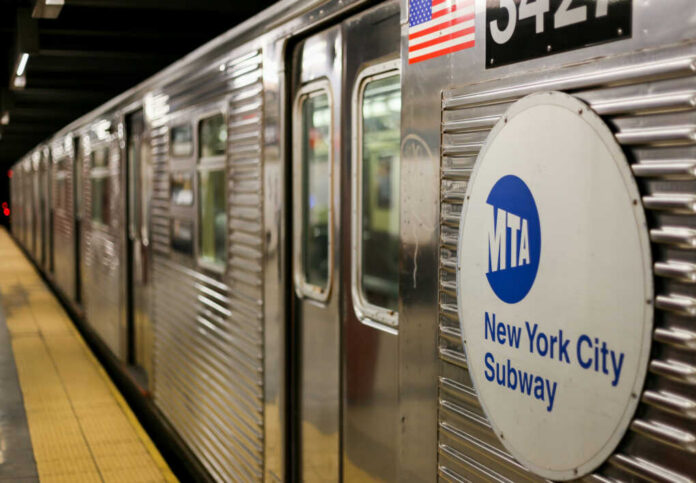
A 65-year-old man was punched in the face in a Queens subway station in what police say was a random, unprovoked attack, once again raising hard questions about safety for law‑abiding New Yorkers on public transit.
Story Snapshot
- Police say a stranger walked up and punched a 65-year-old man in the face inside a Queens subway station, then fled.
- The assault fits a wider pattern of random attacks on seniors in New York City’s transit system in recent years.
- Data show felony assaults in the subway have surged since before the pandemic, even as some other crimes fell.
- Conservatives argue years of soft-on-crime policies and lenient justice rules made subways more dangerous for riders.
Police: 65-Year-Old Man Attacked Without Warning
New York City police are searching for a suspect who they say attacked a 65-year-old man inside the Sutphin Boulevard–Archer Avenue subway station in Jamaica, Queens. According to a police statement reported by local media, the man was standing in the station when an unknown attacker walked up and punched him in the face, without any prior contact or argument. The suspect then ran from the station, leaving the victim hurt and stunned on the platform.
Officers say the blow to the man’s face was strong enough to require medical attention, though his injuries were not reported as life-threatening. Detectives released images of the suspect and asked the public for help identifying him, a step that has become common in subway cases where the attacker escapes on foot or boards another train. Police describe the crime as an “unprovoked” assault on a senior, meaning there was no robbery attempt or clear motive beyond the violence itself.
Pattern of Random Violence Against Seniors on New York Subways
The Jamaica attack is not an isolated event; it mirrors a string of cases where older riders were targeted for no clear reason. In one Queens case, a man walked past a 79-year-old in a mezzanine area and suddenly punched him in the head, sending the senior flying into a wall before running off. In another incident, a 73-year-old woman was punched in the face in a subway station elevator, with the attacker hitting her several times before fleeing. Police also reported a 66-year-old woman punched on a train in a separate assault.
Reports show a broader pattern of random subway violence across the city, often hitting seniors hardest. The New York Post documented a nine-hour stretch of “unprovoked” subway attacks that left three men injured, including two seniors, in separate incidents across the system. NBC New York has also detailed a series of random shoves, beatings, and stairway attacks that left riders, including older New Yorkers, badly hurt and fearful of simple commutes. These stories match what many riders feel: danger now comes not only from theft, but from strangers who lash out for no reason.
Data Show Shift From Robbery to Sudden, Motive-Less Assaults
Crime numbers back up what these victims are living through. A New York Times analysis found that felony assaults in the subway system recently surpassed robberies for the first time in nearly two decades, marking what it called a “sea change” from profit-driven crime to sudden, unpredictable violence. Research by public safety analysts shows that since 2009, subway assaults have roughly tripled, while robberies have gone down, suggesting more riders now face attacks that are not tied to theft at all.
Safety data further show that, although the average risk per ride remains low, the worst problems often appear at smaller stations and during late night or early morning hours. Conservative critics say this pattern reflects years of policies that treated violent crime, repeat offenders, and public disorder as lesser concerns, especially under earlier state and city leadership. Those choices, they argue, helped create a culture where dangerous individuals feel free to roam trains and platforms, while law-abiding commuters, including seniors and families, are left to fend for themselves.
Accountability, Policing, and What Riders Want Changed
Many riders now ask why so many subway attackers are still on the streets and why victims so often are elderly New Yorkers just trying to get home. Conservative voices point to past bail changes, reduced penalties, and a long stretch of “de-carceration” politics as key reasons violent offenders cycle quickly back into public spaces, including transit. They argue that a serious system must hold people who punch, slash, and shove riders fully accountable, with real jail time for repeat violence, especially against seniors.
Just take the subway. Maybe you'll even arrive alive.
Maybe.
Maybe you'll get your face bashed in.
Venerated elder, 65, pummeled in Queens subway in latest random assault by a transit berserker. https://t.co/WHoWj8AJ9b
— BigApplePhoenix (@BigApplePhoenix) July 13, 2026
Under the current Trump administration in Washington, federal leaders have pressed for tougher responses to violent crime, but subways remain largely under state and city control. That leaves New York’s governor and mayor under pressure from voters who are tired of hearing that crime is “rare” while they see story after story of seniors beaten on platforms and stairways. For many conservatives, protecting basic public safety on trains is not a partisan issue; it is a test of whether government still does its first job—keeping citizens safe as they go about their daily lives.
Sources:
nypost.com, facebook.com, instagram.com, pix11.com, fox5ny.com, youtube.com, nytimes.com, vitalcitynyc.org, pubmed.ncbi.nlm.nih.gov