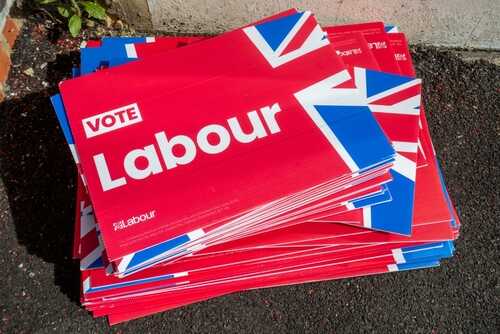
The Labour government’s recent actions have sparked debate over potential democratic backsliding, as opposition parties express concerns over postponed local elections and strict party discipline.
Story Highlights
- The Labour government postpones local elections in nine areas, citing reorganisation.
- Concerns about democratic backsliding due to strict party discipline.
- No evidence of a nationwide rollout of “China-style” facial recognition cameras.
- Opposition parties criticize the government’s approach as authoritarian.
Labour’s Election Postponements: A Controversial Move
In February 2025, the Labour-led government announced the postponement of local elections in nine areas across England, including Norfolk, Suffolk, and Essex. This decision was part of a broader local government restructuring plan, aimed at aligning elections with new governance structures resulting from devolution efforts. Critics, however, argue that this move undermines democratic processes and sets a concerning precedent.
Opposition parties have voiced strong objections, labeling the postponements as a threat to local democratic representation. They argue that while reorganisation is necessary, delaying elections undercuts the public’s ability to hold local leaders accountable. The Labour government, in response, maintains that these measures are temporary and necessary for efficient governance.
Strict Party Discipline Under Labour
The current Labour administration has been marked by a zero-tolerance approach to party discipline. In July 2025, four Labour MPs were suspended for breaching party lines on welfare legislation. This strict enforcement has raised alarm among democracy advocates, who argue that it concentrates power in the executive and stifles dissent within the party. Critics warn that such an environment could lead to democratic backsliding, as MPs face increasing pressure to conform.
This approach has sparked internal tensions, with some Labour backbenchers expressing that their suspensions were for acting in their constituents’ best interests. The debate highlights the challenge of balancing party unity with individual accountability and representation.
Debunking the “China-Style” Surveillance Claims
Despite rumors and fears, there is no verified evidence that the Labour government has announced a nationwide rollout of “China-style” facial recognition cameras. Existing use of live facial recognition in the UK remains limited to specific police forces and local authorities, subject to ongoing legal and regulatory scrutiny. The rhetoric comparing UK surveillance to China’s extensive systems is seen by experts as exaggerated, given the UK’s legal constraints and public oversight mechanisms.
Ongoing debates focus on privacy and civil liberties, with rights groups actively challenging the expansion of surveillance technologies. The Labour government faces the delicate task of balancing security measures with protecting individual freedoms, a core concern for advocates of constitutional rights.The current political climate in the UK underscores the importance of safeguarding democratic institutions and processes. As debates continue over election timing and surveillance, the focus remains on ensuring that government actions align with democratic values and public trust.
Sources:
Why Were Some Elections Cancelled in 2025?
2025 Runcorn and Helsby by-election
Local and Mayoral Elections 2025