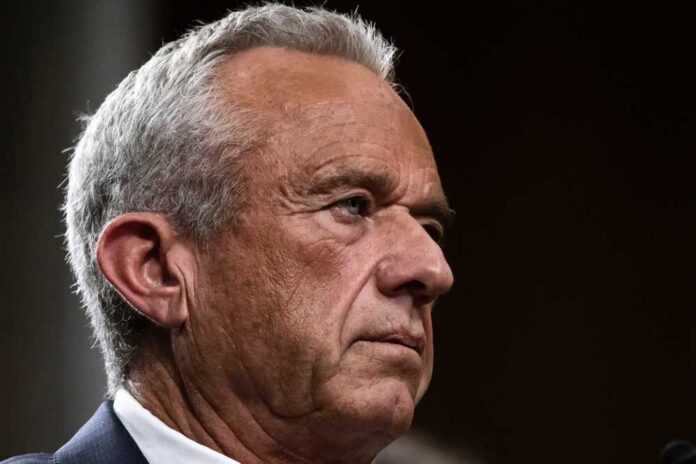
HHS Secretary Robert F. Kennedy Jr. fired back at a Democratic senator’s criticism of federal health agency cuts by pointing out that the U.S. rabies program handles only one to three cases annually, suggesting massive government bloat in public health bureaucracy.
Story Snapshot
- RFK Jr. defended proposed CDC cuts during a contentious Senate Finance Committee hearing on April 22, 2026
- Senator Raphael Warnock criticized elimination of rabies office staffing and hotlines
- Kennedy countered that with only 1-3 rabies cases per year in the U.S., one person could manage the workload
- The exchange went viral on conservative social media as an example of exposing wasteful government spending
Fiery Exchange Highlights Government Waste Debate
During the Senate Finance Committee hearing on April 22, 2026, Senator Raphael Warnock of Georgia challenged HHS Secretary Robert F. Kennedy Jr. over proposed cuts to CDC rabies programs. Warnock expressed concern about eliminating staff positions and hotlines dedicated to rabies surveillance. Kennedy’s response was blunt and data-driven: “There’s 1-3 rabies cases PER YEAR in the US! I think ONE PERSON manning that office can handle that traffic!” The exchange immediately resonated with Americans frustrated by government inefficiency, regardless of political affiliation. Conservative outlets quickly circulated clips of the confrontation as evidence of bureaucratic excess.
The context matters significantly here. Kennedy’s appointment as HHS Secretary under the Trump administration came with a mandate to streamline federal health agencies that many Americans view as bloated and unresponsive. Recent actions include firing the CDC director and implementing broader layoffs across health agencies. While Democrats portray these moves as dangerous cuts to public safety, supporters argue they represent long-overdue accountability. The rabies program became a symbolic battleground because the statistics are indisputable: the United States does indeed average only 1-3 human rabies cases annually, thanks to effective vaccination programs and animal control measures.
Why Both Sides Should Care About Efficiency
This confrontation illustrates a broader frustration shared across the political spectrum: the federal government’s apparent inability to operate efficiently with taxpayer dollars. Whether you lean left or right, the question of why a program managing three annual cases requires extensive staffing and dedicated hotlines deserves honest examination. The issue isn’t whether rabies surveillance matters—it does—but whether the current structure represents sensible resource allocation. For conservatives, this exemplifies the waste they’ve railed against for decades. For progressives who want robust social programs, eliminating inefficiency should free resources for initiatives that genuinely help struggling Americans rather than padding bureaucratic payrolls.
Senator Warnock’s position reflects legitimate Democratic concerns about dismantling public health infrastructure, particularly in rural areas like Georgia where animal exposure risks exist. However, the hearing also featured other contentious topics, including questions from Senator Peter Welch about TrumpRx drug pricing and accusations from Senator Ron Wyden regarding Kennedy’s truthfulness in previous testimony. The partisan divide was evident throughout, with Republicans generally supporting Kennedy’s reform agenda while Democrats remained hostile, some even calling for his termination. This tribalism prevents both parties from addressing the central question: are taxpayers getting value for their money?
The Bigger Picture on Government Accountability
Kennedy’s rabies office example could justify broader downsizing across CDC and HHS if budget committees find the argument persuasive. The short-term political impact amplifies Kennedy’s populist image among conservatives who elected Trump precisely to “drain the swamp” in federal agencies. Long-term implications may accelerate deregulation in public health sectors, which supporters view as removing obstacles to innovation and critics fear could compromise disease surveillance. The real test will be whether these cuts improve outcomes or create gaps that emerge only during future crises. What’s certain is that millions of Americans, whether they voted for Trump or opposed him, share deep skepticism about whether their government serves them or itself.
RFK Jr. Absolutely Torches Sen. Warnock: 'One Person Can Handle 1-3 Rabies Cases a Year' https://t.co/t4WuicQob8
— BREAKING NEWZ Alert (@MustReadNewz) April 23, 2026
The viral nature of this exchange on social media platforms demonstrates how hungry citizens are for evidence that someone in Washington is finally addressing waste. Conservative commentators celebrated Kennedy’s retort as a “truth bomb,” while left-leaning critics argued it oversimplifies complex public health needs. Yet the underlying frustration transcends ideology: too many elected officials seem more focused on defending their turf and securing reelection than solving the real problems that prevent hardworking Americans from achieving prosperity. Whether the issue is rabies offices, border security, energy costs, or healthcare access, the common thread is a government that appears disconnected from the people it supposedly serves. Until representatives from both parties prioritize results over rhetoric, expect more confrontations like this one.
Sources:
RFK Jr. Absolutely Torches Sen. Warnock: ‘One Person Can Handle 1-3 Rabies Cases a Year’ – Twitchy
WATCH: RFK Jr. Buries Raphael Warnock with Truth Bomb – The Gateway Pundit