Tesla just announced a massive $25 billion spending spree betting America’s future on unproven AI robots and self-driving taxis while abandoning the electric vehicle business that built the company.
Story Snapshot
- Tesla raises 2026 capital spending to over $25 billion, up 25% from earlier $20 billion plan and triple last year’s spending
- Company shuttering Model S and Model X production to retool factories for Optimus humanoid robots while core EV business declines for second straight year
- Musk directing unprecedented investment toward robotaxis and AI infrastructure with $44 billion cash reserve as traditional automakers watch
- Robotaxis now operating without human supervision in Austin as Tesla pivots from carmaker to robotics platform
Tesla Abandons Traditional Automaking for Robot Gamble
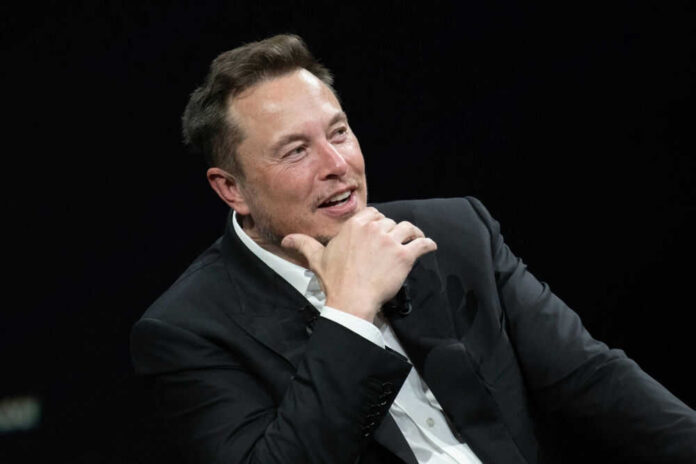
Tesla announced plans to spend more than $25 billion in 2026 on artificial intelligence and robotics development, marking a dramatic departure from the electric vehicle manufacturing that established the company. The investment represents a 25% increase from Tesla’s previously announced $20 billion capital expenditure plan and roughly three times the company’s spending from the prior year. CEO Elon Musk told investors to expect “a very significant increase in capital expenditure” as Tesla makes “big investments for an epic future,” signaling confidence in technologies that remain commercially unproven despite years of promises.
Traditional Car Business Sacrificed for Robotic Vision
The spending surge comes as Tesla discontinues production of its Model S and Model X vehicles to redirect California factory capacity toward manufacturing Optimus humanoid robots. This strategic shift acknowledges a harsh reality: Tesla’s core automotive business has declined for two consecutive years, losing its global electric vehicle sales crown to China’s BYD. The company’s valuation, which far exceeds any traditional automaker, now depends entirely on investor faith that Musk can deliver profitable robotaxis and humanoid robots before the $44 billion cash reserve runs dry.
Concentration of Power Raises Execution Concerns
Musk maintains control over both Tesla and his separate xAI startup, creating an interconnected business structure where Tesla’s massive capital investments directly fund xAI’s AI development, which in turn powers Tesla’s robotics and autonomous vehicle systems. Tesla previously invested $2 billion in xAI, which develops the Grok chatbot integrated into some Tesla vehicles. This concentration of decision-making authority enables rapid strategic pivots but places extraordinary execution risk on one individual’s vision. Industry analyst Andrew Rocco of Zacks Investment Research called the spending “necessary” if Optimus is to become a best-selling product, though he acknowledged concerns about Musk’s “sometimes loose timelines.”
Tesla launched automated rideshare operations in Austin in June 2025 and began deploying robotaxis without human driver supervision this month, with plans to scale across the entire Austin fleet. The company remains on track to begin production of the Cybercab autonomous vehicle, Semi truck, and an updated Megapack battery storage system. Scott Acheychek, Chief Operating Officer of REX Financial, argued that “the bigger story” is Tesla’s business model transformation, suggesting the traditional car business is no longer the company’s primary focus.
Government Dependence Threatens American Innovation
Tesla’s massive bet on unproven technologies highlights a troubling pattern where corporate success increasingly depends on government policy decisions rather than market demand and entrepreneurial execution. The company’s ability to deploy robotaxis and scale humanoid robot production hinges on regulatory approval for autonomous vehicles, AI development rules, and government response to potential labor market disruption. This dynamic concentrates enormous power in Washington bureaucrats who will determine whether American companies can compete globally in transformative technologies. While Tesla’s investment could accelerate American leadership in AI and robotics, the outcome depends as much on political decisions as technical achievement, raising questions about whether the regulatory state will enable or obstruct innovation that could benefit millions of Americans.
The announcement positions Tesla alongside Meta Platforms, Microsoft, and Alphabet in planning sharp increases in capital spending for AI infrastructure, signaling that these technologies require unprecedented investment levels. Whether Tesla’s gamble pays off remains uncertain, but the company’s stable legacy EV business and substantial cash position provide the financial capacity to pursue Musk’s robotic vision, even as skeptics question timeline feasibility and ultimate market demand for products that exist more in PowerPoint presentations than production lines.
Sources:
Tesla Boosts Spending Plan To USD 25 Billion In AI, Robotics Push – NDTV Profit
Tesla Lifts 2026 Spending Plans as Musk Funds AI and Robotic Dreams – Tucson.com
Tesla To Spend $20 Billion On Elon Musk’s Autonomous Vehicles, Humanoid Robots – NDTV
Tesla Lifts 2026 Spending Plans By a Quarter as Musk Funds AI and Robotic Dreams – Bilyonaryo
Tesla Announces US$20bn Robotics Spend, Axes Models X and S – Automotive World