In a shocking escalation, an Israeli airstrike has devastated a Palestinian refugee camp in Lebanon, reigniting fears of regional conflict.
Story Overview
- Israeli airstrike targets Ain al-Hilweh refugee camp in Lebanon, killing at least 13.
- Israel claims it was targeting a Hamas training center; locals report civilian casualties.
- Lebanese and Hamas officials deny militant presence, call for international investigation.
- The incident raises concerns over regional stability and potential ceasefire violations.
Israeli Airstrike Sparks Outrage and Concern
On November 18, 2025, the Israeli Defense Forces (IDF) launched a drone strike on the Ain al-Hilweh Palestinian refugee camp near Sidon, Lebanon. The attack resulted in at least 13 fatalities and numerous injuries, marking the deadliest Israeli strike in Lebanon since the 2024 ceasefire agreement with Hezbollah. Israel asserts that the strike targeted a Hamas training facility allegedly used to plot attacks against Israel. However, local authorities and Hamas have refuted these claims, insisting that the area hit was a civilian zone.
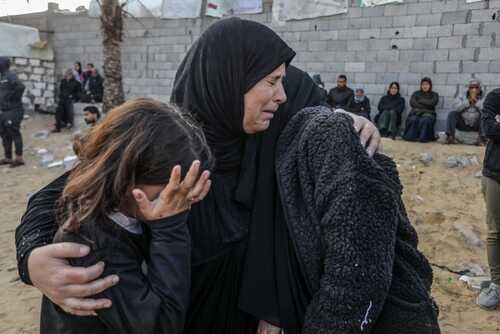
The incident has triggered widespread condemnation from Lebanese officials, who have labeled the attack a violation of their sovereignty. The Lebanese government, which assumed responsibility for camp security following the 2024 disarmament, is calling for an international investigation. Meanwhile, the refugee community in Ain al-Hilweh has been left traumatized and angered, raising fears of further escalation in an already tense region.
Israeli jets bombed a building in Ain al-Hilweh camp to target the alleged Hamas members.
Contrary to #Israel’s claims, this terrorist strike has so far resulted in the death of 13 people, including several children. #Lebanon #PalestineRead more: https://t.co/enmhEALYnQ pic.twitter.com/uzxewiZls8
— IWN (@A7_Mirza) November 19, 2025
Conflicting Narratives Emerge
The IDF maintains that the strike was conducted with precision munitions and based on reliable intelligence, aiming to minimize civilian casualties while neutralizing potential threats. Conversely, both Hamas and local sources have denied any militant presence in the camp, accusing Israel of targeting civilians under the guise of military action. This clash of narratives highlights the complexities of military operations in densely populated areas and the challenges of verifying claims amidst restricted media access.
Historically, Ain al-Hilweh has been a hotspot for violence involving various factions and has previously been targeted by Israeli strikes. The camp’s disarmament in 2024, as part of a ceasefire agreement, was intended to reduce tensions, but recent developments suggest a fragile peace. As tensions along the Israel-Lebanon border heighten, the risk of further conflict looms, with both sides on high alert for potential retaliations.
Broader Implications and International Concerns
The repercussions of this airstrike extend beyond immediate loss of life and injury. In the short term, there is an increased risk of retaliation from Lebanese and Palestinian factions, potentially destabilizing Lebanon’s already fragile security situation. Long-term implications could include the erosion of the 2024 ceasefire agreements and a rise in anti-Israel sentiment across the region. As humanitarian organizations face challenges in providing aid, the international community is urged to respond and investigate potential violations of international law.
Experts warn that the incident underscores the delicate balance of regional politics and the risks inherent in military actions in populated areas. Calls for accountability and transparency are growing louder as the world watches for the next developments in this volatile region.
Sources:
Wikipedia: 2025 Sidon airstrike