Iran’s theocratic regime faces its most serious existential threat in decades as massive protests erupted across the nation, with demonstrators chanting “Death to the dictator” and rejecting even reformist promises in favor of complete systemic overhaul.
Story Highlights
- Nationwide protests began December 28, 2025, sparked by hyperinflation and currency collapse to 1.45 million rials per dollar
- Demonstrators reject President Pezeshkian’s reforms, demanding end to Islamic Republic with anti-regime chants targeting Supreme Leader Khamenei
- Baloch ethnic coalition formally endorses protests while IRGC responds with arrests and live ammunition against students and pensioners
- Economic crisis deepens as regime eliminates subsidized exchange rates while protesters lose faith in electoral solutions
Economic Collapse Triggers Regime Crisis
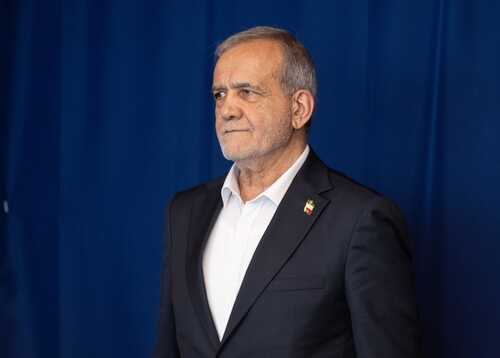
The Iranian economy reached a breaking point in late December 2025 when the dollar soared to 1.45 million rials, triggering hyperinflation that devastated ordinary citizens’ purchasing power. President Masoud Pezeshkian’s government eliminated the subsidized 285,000-rial exchange rate and reshuffled Central Bank leadership under Abdolnaser Hemmati, but these technical fixes failed to address deeper structural problems. The multi-tiered currency system, originating during the 1980s Iran-Iraq War, had evolved into a corruption mechanism enabling rent-seeking from exchange rate gaps.
Protesters Reject Reformist Solutions
Unlike previous demonstrations, the current wave explicitly rejects the Islamic Republic’s entire system rather than seeking incremental change. Protesters ignored President Pezeshkian’s promises to meet their demands, instead chanting “Death to the dictator” directly targeting Supreme Leader Ali Khamenei. Even prominent football captain Mehdi Taremi urged officials to listen to citizens’ voices amid the currency crisis. Jailed reformist Mostafa Tajzadeh called for abolishing the theocracy entirely in favor of democratic governance, while Pezeshkian admitted governance limitations by stating “If problems aren’t solved, we cannot govern.”
Ethnic Coalition Amplifies Opposition
The Mobarizoun Popular Front, a Baloch ethnic coalition, formally endorsed the protests as a response to “livelihood pressures and structural discrimination.” This marks a significant escalation from previous unrest, as ethnic minorities in Sistan and Baluchistan province face systematic discrimination and have historically challenged central authority. The IRGC responded with arrests and counterterrorism operations in southeastern regions, while dozens of protesters were detained nationwide. Security forces used live ammunition against students, pensioners, and younger demonstrators, risking further escalation.
The Fall of Iran could change EVERYTHING in the Middle East.
— Jim K. (@ExSoldier762) January 3, 2026
Regime Fractures Signal Deeper Instability
Internal regime divisions emerged as Ayatollah Hossein Nouri Hamedani, a prominent Shia cleric, blamed government mismanagement for the protests. Vice President Mohammad Reza Aref attempted to resign but was rejected, while presidential advisor Mehdi Sanaei successfully stepped down amid the crisis. These departures reflect growing political bankruptcy within the system, as even regime insiders acknowledge fundamental governance failures. The protests spread beyond economic grievances to encompass demands for complete political transformation, threatening the Islamic Republic’s foundational legitimacy.
Sources:
Iran Update: January 2, 2026 – Critical Threats Project
2025–2026 Iranian protests – Wikipedia
Iran International – Economic Crisis Coverage