
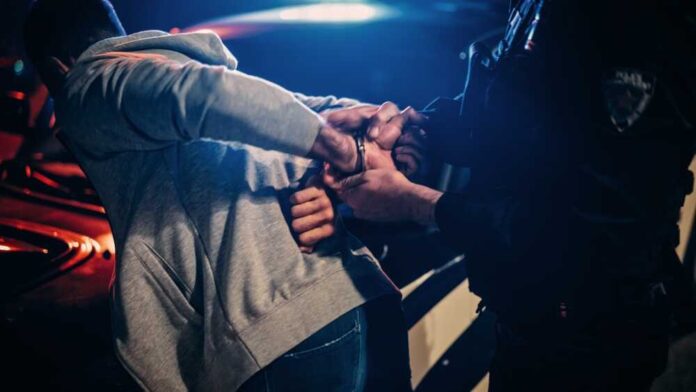
Random violence strikes at the heart of New York City as a homeless man’s brutal, unprovoked attacks in Central Park raise urgent questions about urban safety, mental health failures, and the consequences of neglected public order.
Story Snapshot
- Two random, violent attacks in Central Park left victims hospitalized and sparked renewed safety fears.
- A suspect, reportedly homeless and undergoing psychiatric evaluation, was swiftly arrested at the scene.
- The incident has highlighted persistent failures in mental health intervention and homelessness policy in major cities.
- Authorities face mounting pressure to address public safety without sacrificing core civil liberties.
Random Attacks in Central Park Expose Public Safety Gaps
In the early hours of August 25, 2025, Central Park became the scene of two shocking and random assaults. David Luciano, a 27-year-old believed to be homeless, allegedly choked, punched, and kicked an 18-year-old man near West Drive at 62nd Street. He then attacked a 37-year-old man near 93rd Street, biting the second victim’s ear. Both men required hospitalization, while Luciano was arrested within an hour and charged with assault, criminal obstruction of breathing, and petit larceny. The violence in such a high-profile location underscores the vulnerability of public spaces.
Crazed homeless man roaming around Central Park randomly attacks 2 men — biting one’s ear https://t.co/o1g0SAYZOM pic.twitter.com/MCyJU8zsEi
— New York Post Metro (@nypmetro) August 25, 2025
Authorities confirmed that both attacks occurred during the low-patrolled early morning hours, a period when Central Park is less populated and more susceptible to opportunistic crime. Police responded rapidly, and the suspect was apprehended near the scene. Both victims were treated at local hospitals and are reported to be in stable condition. Luciano’s arrest followed the recovery of a stolen bicycle, allegedly taken during the spree, adding a property crime element to the violent assaults.
Homelessness, Mental Health, and Urban Crime: A Persistent Challenge
The intersection of homelessness, untreated mental illness, and public safety remains a thorny issue for New York and cities nationwide. Experts have long warned that sporadic but violent incidents—especially in symbolic places like Central Park—can have an outsized impact on public perception of safety. This attack comes as reported assaults in Central Park have risen slightly in 2025 compared to last year, even as citywide numbers trend down. Mental health professionals argue that early intervention and access to services are critical, yet chronic gaps persist, leaving both vulnerable individuals and the public at risk.
City agencies must now balance renewed demands for robust law enforcement with calls for more compassionate, effective solutions to homelessness and mental illness. The suspect’s psychiatric evaluation highlights the challenge: without proactive intervention, individuals in crisis can spiral into violence, endangering themselves and others. Meanwhile, concerns about government overreach and the erosion of individual rights loom large.
Political and Social Implications: Debates Over Policy and Liberty
The political fallout from incidents like this is immediate and far-reaching. Residents are demanding answers about how a known homeless individual with apparent psychiatric issues could roam freely through the city’s most famous park. Lawmakers face renewed pressure to strengthen mental health interventions, increase funding for social services, and beef up police patrols. At the same time, constitutional concerns arise over possible government overreach, as some proposals call for expanded surveillance, increased detention, and greater authority for law enforcement. The challenge is to restore public safety without undermining core liberties and constitutional protections—especially the rights of law-abiding citizens who simply want to enjoy public spaces without fear.
Short-term, the city will likely see an increased police presence in Central Park and a spike in public anxiety about crime and homelessness. Long-term, this incident may drive policy changes—though past experience suggests that without sustained, accountable leadership, real reform is elusive.
Sources: