
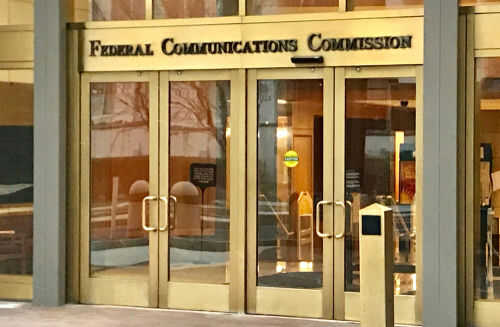
The Federal Communications Commission is about to require your government ID before you can get a phone number, and the privacy implications are only beginning to surface.
Quick Take
- The FCC released a Notice of Proposed Rulemaking on May 1, 2026 (FCC-26-27) mandating that all phone service providers collect and verify customers’ government-issued ID, physical address, and alternative phone numbers before granting or renewing service.
- High-volume callers face additional scrutiny, including disclosure of intended use and IP addresses from which calls originate.
- The rule aims to combat robocalls and spoofing but creates a catch-22 for new users who lack an existing alternative phone number.
- Privacy advocates warn the mandate could exclude unbanked individuals and those seeking anonymity, while industry experts debate feasibility and compliance costs.
The Robocall Crisis Demands Action, But at What Cost
Americans receive over 100 million illegal robocalls daily. The FCC’s frustration is understandable. Previous attempts to solve this problem through STIR/SHAKEN call authentication technology achieved roughly 90 percent adoption by major carriers but failed to stop spoofing because authentication alone cannot verify who is actually making the call. The new KYC mandate represents a dramatic escalation: instead of just authenticating calls, the FCC now wants to verify the identity of everyone obtaining a phone number in the first place.
What the New Rules Actually Require
Starting with originating providers—the companies that supply phone numbers to customers—the FCC demands collection and verification of four core pieces of information: full name, physical address, government-issued identification number, and an alternative telephone number. Providers must obtain supporting documentation, such as copies of government IDs, to prove customers are who they claim to be. For high-volume customers engaged in marketing, political campaigns, or other mass communication activities, providers must also capture the intended use of service and the customer’s IP address for each call placement.
This represents a fundamental shift in how the telecommunications industry operates. Previously, obtaining a phone number was relatively straightforward. Now it requires the equivalent of opening a bank account.
The Chicken-and-Egg Problem Nobody Is Discussing
Privacy advocates in the technology community have identified a critical flaw in the proposal: the alternative phone number requirement. New customers seeking their first phone number have no alternative number to provide. This creates an impossible catch-22. A person cannot get a phone number without providing an alternative phone number, but they cannot have an alternative phone number without already having a phone number. The FCC’s proposal does not address this logical impossibility, raising questions about whether regulators fully considered the rule’s practical implementation.
How This Fits Into a Larger Pattern
The May 2026 KYC mandate builds on previous FCC efforts to enhance caller identification. In October 2025, the FCC adopted rules requiring verified caller names and logos to appear on recipients’ phones through Rich Call Data technology. These “branded calling” rules pair authentication with identity verification, providing consumers with more information to distinguish legitimate calls from scams. The new KYC requirements represent the logical extension of this approach: verify identity at the point of service origination.
FCC Chairman Brendan Carr framed this as essential to rebuilding consumer trust in the nation’s calling networks. The logic is sound: if you know who obtained each phone number and why, you can identify and block bad actors more effectively.
Who Bears the Burden
Compliance costs will be substantial. Voice service providers must implement identity verification technology, train staff, and maintain secure records of government IDs. Industry estimates suggest compliance could cost over 100 million dollars across the telecommunications sector. These costs will likely flow to consumers through service fees or delays in account activation. Small VOIP providers and resellers face particular challenges, as they lack the infrastructure of major carriers like AT&T or Verizon.
High-volume business customers face additional scrutiny and disclosure requirements, potentially exposing their operational details and call patterns to regulatory review. Political campaigns, marketing firms, and educational institutions must now disclose their intended use of phone services, raising questions about government surveillance of lawful speech and commerce.
The Privacy Erosion Nobody Asked For
Requiring government ID for phone service creates a comprehensive database linking identity to communication patterns. While the stated purpose is robocall prevention, the infrastructure enables far broader surveillance. Unbanked Americans, immigrants without traditional identification, and individuals prioritizing privacy face barriers to obtaining phone service. The mandate effectively creates a two-tiered system: those willing to surrender identity documentation get service, while others remain excluded from modern communication infrastructure.
What Happens Next
The FCC is currently accepting public comments on the proposal, though comment deadlines have not yet been published in the Federal Register. Industry groups, privacy advocates, consumer organizations, and telecommunications companies will submit positions over the coming months. The outcome remains uncertain. Some stakeholders may propose exemptions for low-volume users or alternative verification methods. Others will argue the entire approach overreaches regulatory authority.
The proposal reflects a genuine problem—robocalls and spoofing cause real harm to consumers. Whether this particular solution strikes the right balance between security and privacy remains the central question. The coming comment period will determine whether the FCC’s ambition to eliminate spoofing outweighs concerns about creating a national phone number registry tied to government identification.
Sources:
New FCC rule requiring gov’t ID for all phone numbers (including VOIP)
FCC Proposes New Rules for Call Branding and Caller ID Verification
FCC Proposes Requiring Caller Identification for Authenticated Voice Calls
FCC adopts proposed rules for presentation of caller name