The firing of CDC Director Susan Monarez raises alarm over political influence in public health.
Story Snapshot
- CDC Director Susan Monarez fired for rejecting vaccine directives.
- Top CDC officials resign in protest, signaling leadership chaos.
- Concerns mount over political interference in public health policy.
- Implications for national health security and vaccine policy are significant.
Monarez’s Dismissal: The Details
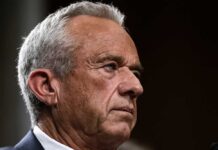
On August 27, 2025, Susan Monarez, PhD, was dismissed as director of the Centers for Disease Control and Prevention (CDC) following disagreements over vaccine policy with Health and Human Services (HHS) Secretary Robert F. Kennedy Jr., according to reporting from The New York Times and Politico. Her refusal to align with Kennedy’s stance on vaccines led to her termination, marking an unprecedented turnover in CDC leadership shortly after her appointment. This move has prompted a wave of resignations from senior CDC officials, escalating tensions within the agency.
Soon after Monarez’s dismissal, senior officials including Debra Houry, Demetre Daskalakis, Daniel Jernigan, and Jennifer Layden announced their resignations. Public health governance experts such as Dr. Tom Frieden, former CDC director, stated in interviews with NPR that these resignations highlight tensions between maintaining scientific integrity and navigating political directives, raising concerns for public trust in health agencies. The resignations underscore the difficulties faced by scientific leaders in maintaining agency autonomy amidst increasing political pressure.
Impact on Public Health and Policy
The sudden leadership changes at the CDC have sparked fears of diminished agency autonomy and potential risks to public health. Former CDC leaders, including Dr. Richard Besser, president of the Robert Wood Johnson Foundation, has warned in outlets such as ABC News that political involvement in scientific guidance risks eroding public trust and may fuel vaccine hesitancy. The immediate impact includes operational disruptions at the CDC, with key leadership roles now vacant.
In the long-term, the erosion of scientific independence at the CDC poses a risk to the agency’s preparedness and response capabilities in future health crises. The situation demonstrates the potential dangers of political interference in public health policy, which could lead to compromised vaccine rollouts and increased public confusion.
Political Influences and Public Reactions
The appointment of Robert F. Kennedy Jr. as HHS Secretary, who has long expressed skepticism about certain vaccines according to Associated Press reporting, has been identified by analysts as a major factor driving these developments. His influence over CDC operations raises questions about the balance of power between scientific experts and political appointees. The White House’s involvement in Monarez’s firing further illustrates the significant political dynamics at play, impacting the CDC’s ability to function independently.
"CDC director Susan Monarez fired, other agency leaders resign……."
— Naila Rehan jamil (@RehanNaila1970) August 28, 2025
The public health community and broader public remain concerned about the implications for national health security. Scholars such as Dr. Lawrence Gostin, a global health law professor at Georgetown University, argues that the incident underscores the importance of safeguarding scientific independence in federal health agencies to preserve effective and credible public health guidance. The widespread resignations reflect a critical moment for the CDC and its role in safeguarding public health in the face of political challenges.
Sources:
CDC Director Fired After She Refused to Rubber-Stamp Kennedy’s Vaccine Directives
CDC Director Fired: Behind-the-Scenes Look