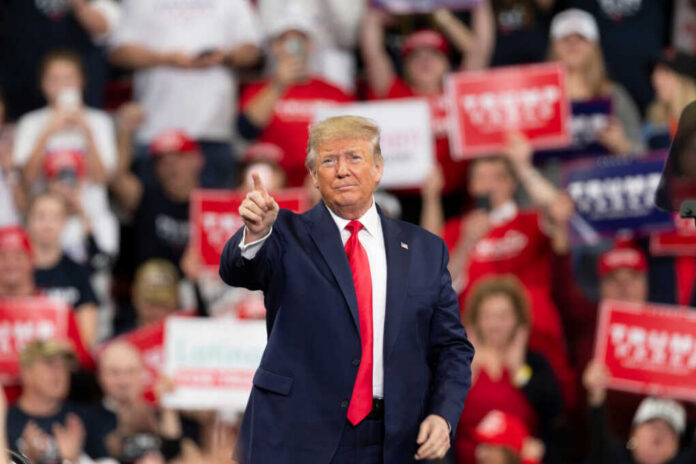
President Trump stunned his loyal MAGA base by branding former allies Tucker Carlson, Megyn Kelly, and Alex Jones as “nut jobs” and “losers” in a fiery Truth Social rant, raising alarms about deepening fractures within the America First movement.
Story Highlights
- Trump targets ex-MAGA icons Carlson, Kelly, and Jones as “nut jobs,” insisting he no longer cares about their criticisms.
- Rant follows backlash over a Truth Social post blaming Rob Reiner’s death on “TDS,” doubling down amid base frustration.
- White House Chief of Staff Susie Wiles’ leaked comments call Trump an “alcoholic’s personality,” exposing internal tensions.
- Growing MAGA disillusionment over unfulfilled promises on economy, immigration, and draining the swamp erodes trust.
- Feud risks GOP unity ahead of 2026 midterms, echoing past rifts with figures like Bannon and Pence.
Trump’s Truth Social Tirade Targets Former Allies
President Donald Trump unleashed a lengthy post on Truth Social moments after First Lady Melania Trump’s White House event. He labeled media figures Tucker Carlson, Megyn Kelly, and Alex Jones as “nut jobs” and “losers.” Trump expressed frustration with their critiques of his administration but declared, “I no longer care about that stuff.” This outburst highlights strains in his second term, where campaign-style rhetoric dominates over policy delivery. Loyal supporters, promised America First reforms, now question his detachment from their core concerns like economic relief and border security.
Trump issues lengthy rant against former MAGA faithfuls he calls ‘losers’ but insists: ‘I no longer care about that stuff’https://t.co/sCQLAQFbxu
— The Independent (@Independent) April 9, 2026
Recent Controversies Fuel Base Backlash
One week earlier, Trump posted on Truth Social about Hollywood director Rob Reiner’s death, attributing it to “Trump Derangement Syndrome.” This drew sharp rebukes from Democrats and his own base, yet Trump stood firm. Concurrently, a Vanity Fair profile exposed Chief of Staff Susie Wiles describing Trump as having an “alcoholic’s personality” and criticizing his Cabinet choices. At a recent rally, Trump touted accomplishments like new mental institutions but sidestepped voter anxieties over inflation and high energy costs. These missteps amplify perceptions of unkept 2016 and 2024 pledges.
Historical Precedents of Intra-MAGA Feuds
Trump’s MAGA movement, born in 2016 with vows to drain the swamp and prioritize American workers, now mirrors first-term divides. He previously feuded with Steve Bannon, Mike Pence, and Liz Cheney, branding them “RINOs.” Carlson’s post-Fox News critiques and Alex Jones’ conspiracy-driven pushes for populist purity have escalated tensions. Jones and Kelly demand stricter adherence to promises on pardons, economy, and institutions. This pattern of dismissing critics risks alienating the base that propelled his 2024 victory, underscoring a patron-versus-challenger dynamic in conservative circles.
Power resides with Trump as decision-maker, yet influencers like Carlson shape public sentiment. Advisors urge outreach to rebuild trust, but rally defenses fail to address root frustrations. The MAGA faithful seek fulfillment of pledges amid White House chaos signals from Wiles’ leaks.
Implications for GOP Unity and the American Dream
Short-term, the rant deepens MAGA splits, potentially lowering rally turnout and enthusiasm. Long-term, it threatens Republican control ahead of 2026 midterms, possibly forcing policy shifts on key issues. Affected communities include alienated loyalists feeling betrayed after years of support. Politically, it erodes Trump’s economic mandate; socially, it fuels conservative media wars. Both left and right increasingly view federal leaders—entrenched elites—as prioritizing power over citizens’ struggles with costs, immigration, and opportunity. This rift departs from founding principles of accountable governance, validating shared populist distrust.
Analysts observe Trump’s style projects strength but alienates those demanding action. Pro-Trump voices see authenticity; critics detect desperation. With limited data on exact timelines, the story emerges as a symptom of broader government failures burdening everyday Americans.