A federal ultimatum threatens Boston’s sanctuary city policies, igniting a fierce battle over immigration enforcement and local autonomy.
Story Overview
- The DOJ demands Boston abandon sanctuary city policies, leading to a clash with Mayor Wu.
- Mayor Wu publicly defies the ultimatum, defending sanctuary policies as essential for safety.
- The DOJ threatens to withhold funding and pursue legal actions against non-compliance.
- This confrontation highlights broader national debates on immigration and federal authority.
Federal Ultimatum Challenges Local Authority
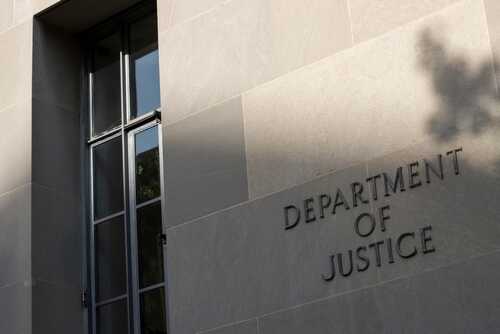
In August 2025, the Department of Justice (DOJ) issued a stark ultimatum to Boston, demanding the city abandon its sanctuary city policies. Attorney General Pam Bondi stated that sanctuary policies interfere with federal immigration enforcement, echoing positions advanced during the previous Trump administration. The ultimatum includes threats to withhold federal funding and pursue legal consequences, escalating tensions between federal authority and local autonomy.
Mayor Wu’s Defiant Response
On August 19, 2025, Boston Mayor Michelle Wu held a press conference to reject the DOJ’s demands. Wu argued that sanctuary policies help maintain community trust and public safety, citing research from organizations such as the American Immigration Council that suggest cooperation between immigrant communities and local law enforcement improves safety outcomes. She argued that these local policies do not violate federal law and are crucial for protecting immigrant populations. Her defiance sets the stage for a potential legal battle, as Boston remains committed to upholding its sanctuary city status despite federal threats.
Broader National Implications
The confrontation between Boston and the DOJ is emblematic of a larger national debate over sanctuary policies and federal immigration enforcement. This dispute reflects longstanding tensions dating back to the Trump administration, which sought to condition federal funding on cooperation with immigration enforcement in cities such as Boston, Chicago, and San Francisco. Legal scholars point out that federal attempts to coerce local compliance have faced significant constitutional challenges, particularly under the Tenth Amendment’s anti-commandeering doctrine.
"The lives of Americans is no joking matter. These sanctuary city politicians, like Mayor Wu out of Boston, are playing Russian roulette with the American public’s lives."
If sanctuary city politicians refuse to enforce the law, DHS will FLOOD THE ZONE with ICE law enforcement… pic.twitter.com/wP4Cgt1VHt
— Homeland Security (@DHSgov) August 19, 2025
The outcome of this clash could set important precedents for other cities facing similar federal pressures. While the DOJ leverages funding threats, local governments argue for their right to self-governance and community-focused policies. The stakes are high, with potential impacts on immigrant communities, public safety, and political dynamics at both local and national levels.
Sources: