International organizations declare famine in Gaza while Israel firmly rejects the findings, exposing a dangerous politicization of humanitarian data that undermines America’s strategic ally in the Middle East.
Story Snapshot
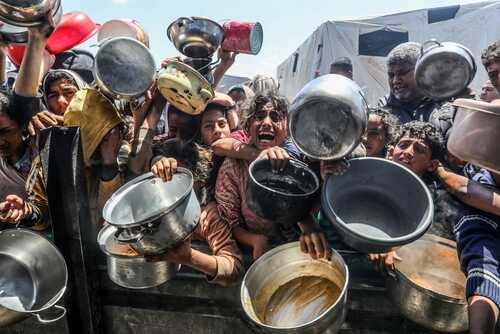
- UN-backed Integrated Food Security Phase Classification officially declares famine in Gaza Governorate, affecting over 500,000 people
- Israeli authorities categorically reject the famine declaration, citing methodological flaws and biased sources in the assessment
- Famine represents first official declaration in the Middle East and marks unprecedented politicization of humanitarian assessments
- Conservative analysts question timing and motivations behind international pressure on Israel during ongoing security operations
International Bodies Target Israel with Famine Declaration
The Integrated Food Security Phase Classification declared official famine conditions in Gaza Governorate on August 22, 2025, claiming over 500,000 people face catastrophic hunger. The IPC, a partnership of UN agencies and international organizations, projects the famine will spread to central and southern Gaza by September’s end. This marks the first official famine declaration in the Middle East, raising serious questions about the timing and political motivations behind such unprecedented international scrutiny of America’s democratic ally.
Israel Challenges Biased Assessment Methods
Israeli authorities through COGAT firmly rejected the IPC’s findings, stating they “firmly reject the claim of famine in the Gaza Strip based on partial and unreliable sources.” Israeli officials highlight systematic methodological flaws in the assessment and question the objectivity of international organizations that have historically demonstrated anti-Israel bias. Analysts such as Michael Oren, Israel’s former ambassador to the United States, argue that the dispute reflects the growing politicization of humanitarian data, particularly when assessments intersect with military and security issues.
Strategic Implications for American Interests
Foreign policy experts, including Danielle Pletka of the American Enterprise Institute, warn that sustained international criticism of Israel could strain U.S. alliances and complicate Washington’s Middle East strategy. UN relief chief Tom Fletcher’s inflammatory rhetoric, claiming the situation is “caused by cruelty, justified by revenge,” demonstrates the inflammatory language being weaponized against a nation defending itself against terrorist threats. This politically motivated humanitarian assessment could set dangerous precedents for future international interference in legitimate defense operations by democratic allies.
Conservative Analysis Reveals Political Motivations
The timing of this famine declaration during Israel’s security operations raises legitimate concerns about international organizations’ true objectives. Conservative analysts note the unprecedented nature of such coordinated pressure on a democratic ally, particularly when terrorist organizations like Hamas have historically diverted humanitarian aid from civilian populations. Analysts such as Eugene Kontorovich of George Mason University argue that politicized humanitarian assessments risk becoming a tool for exerting international pressure on sovereign states.
Hunger in Gaza Strip Classified as Famine, Global Body Says | The Epoch Times https://t.co/byu6yDIoVU
— 𝔇𝔢𝔣𝔢𝔫𝔰𝔬𝔯𝔣𝔦𝔡𝔢𝔩𝔦𝔰 (@MrMNelsonJr) August 23, 2025
Sources:
Famine determined in parts of Gaza, 500,000 experiencing catastrophic hunger
Gaza famine declaration Israel rejects UN-backed IPC report
OCHA OHCHR WFP WHO Press Briefing
International hunger watchdog faces political attacks over Gaza famine declaration
Israel firmly rejects IPC Gaza report