Los Angeles County just declared war on masked federal agents, setting up what could be the most explosive constitutional showdown between local and federal law enforcement in decades.
At a Glance
- LA County voted 4-0 to ban all law enforcement from concealing identities while on duty, targeting masked ICE agents
- The move follows public outrage over federal immigration raids where agents wore masks and refused identification
- Legal experts predict the ordinance will face immediate federal court challenges over constitutional authority
- Similar legislation is brewing at state and national levels, potentially reshaping law enforcement transparency nationwide
- Federal agencies claim masks protect agents from doxing and retaliation, while locals demand accountability
The Mask Wars Begin in America’s Largest County
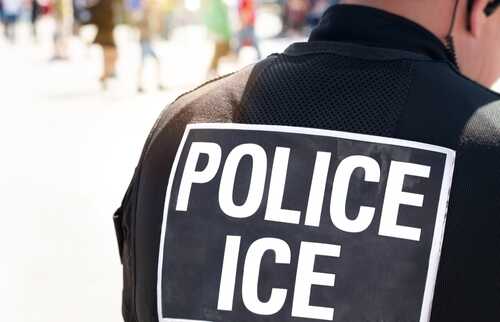
Picture this:masked federal agents swarm through Los Angeles neighborhoods, tactical gear gleaming, faces hidden, refusing to identify themselves as they conduct immigration raids. Sounds like a dystopian movie, right? Wrong. This became LA County’s reality in June 2025, and residents were having none of it. The Board of Supervisors just fired back with a legislative cannon, voting unanimously to draft an ordinance that would strip the anonymity from every law enforcement officer operating in their jurisdiction.
Supervisors Janice Hahn and Hilda Solis didn’t mince words when they co-authored this bombshell proposal. They witnessed their constituents’ terror as unidentifiable agents swept through communities, creating an atmosphere of fear that reminded many of authoritarian regimes. The timing wasn’t coincidental. These raids coincided with the Trump administration’s renewed focus on mass deportations, turning LA County into ground zero for a clash between local sanctuary policies and federal immigration enforcement.
L.A. County is pushing for a new ordinance that would ban law enforcement officers, including federal agents, from wearing masks while on duty, citing public fear and lack of transparency during recent ICE raids. https://t.co/DSSV05Eyhi
— FOX 11 Los Angeles (@FOXLA) July 30, 2025
Federal Agents Playing Hide and Seek With Democracy
The scenes that sparked this legislative rebellion read like something from a police state handbook. Federal Immigration and Customs Enforcement agents descended on LA County wearing masks, refusing to show badges, and declining to identify their agencies. When concerned citizens asked basic questions like “Who are you?” and “What authority do you have?” They were met with silence from faceless enforcers. This wasn’t undercover work or a medical necessity—this was broad daylight enforcement with zero accountability.
The public’s reaction was swift and volcanic. Protests erupted across the county as videos circulated showing masked agents detaining individuals without proper identification. Community leaders described the atmosphere as one of terror, where residents couldn’t distinguish between legitimate law enforcement and potential imposters. The erosion of trust was immediate and devastating, transforming routine enforcement into something that felt more like occupation than policing.
Constitutional Chess Match Looms Large
Here’s where things get legally delicious and politically explosive. LA County is essentially telling the federal government to unmask or get out, but Uncle Sam doesn’t typically take orders from local politicians. Constitutional law expert Erwin Chemerinsky has already signaled that federal preemption issues will likely torpedo local enforcement of this ordinance against federal agents. Translation: LA County can pass all the laws they want, but making federal agents comply is another story entirely.
The county has given itself 60 days to draft the ordinance, but legal challenges are virtually guaranteed the moment ink hits paper. Federal agencies will argue that operational security, agent safety, and protection from doxing justify their anonymity. Meanwhile, LA County will counter that transparency and accountability are fundamental to democratic policing. The result? A constitutional cage match that could redefine the balance between local and federal authority for generations.
National Movement Gains Unstoppable Momentum
LA County isn’t fighting this battle alone. California’s State Senate Bill 627 would extend similar requirements statewide, while U.S. Senators Alex Padilla and Cory Booker have introduced federal legislation addressing law enforcement identification nationwide. What started as a local reaction to masked raids is morphing into a national movement that could fundamentally alter how law enforcement operates across America.
The implications extend far beyond immigration enforcement. If successful, these efforts could establish new standards for police transparency during protests, riot control, and routine patrols. Every jurisdiction watching this unfold knows the outcome could either empower local communities to demand accountability or cement federal agencies’ right to operate in the shadows. The stakes couldn’t be higher, and the showdown promises to be nothing short of spectacular.