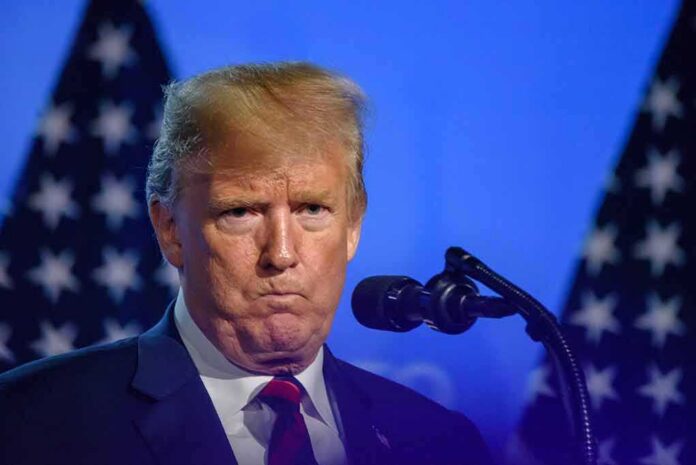
President Trump blasted an Axios claim that he offered Iran sanctions relief, declaring, “I offered them NOTHING,” and demanding a retraction.
Story Highlights
- Trump flatly denied offering Iran sanctions relief or frozen funds, calling the report a “hoax.”
- Axios’ claim echoed a CNN report citing a U.S. official who said relief could come only with concrete nuclear progress.
- The dispute shows how anonymous-leak stories can warp complex talks into a false “deal or no deal” fight.
- Trump says his stance remains firm: no cash or relief for Tehran without real results, if at all.
Trump Rejects Reported Offer Of Sanctions Relief To Iran
President Trump publicly rejected an Axios report that said he offered Iran sanctions relief and access to frozen funds in exchange for nuclear concessions. Trump posted that the story was untrue and that he “offered them NOTHING,” and he demanded an immediate retraction from the outlet. His denial targeted the core claim that Washington had already put economic relief on the table for Tehran as part of ongoing talks. The White House did not provide a new written proposal alongside the denial.
Axios’ account tracked with a separate report from Cable News Network that cited a United States official. That official said Trump was willing to consider sanctions relief and the release of frozen funds only if Iran made “concrete progress” on its nuclear program. The Cable News Network report framed relief as conditional and part of a possible final deal, not a free giveaway. It did not claim that any funds were already moving or that relief was guaranteed at this stage.
How Leak-Driven Stories Distort High-Stakes Negotiations
Coverage of Iran talks often swings between sweeping claims and rapid denials. Anonymous sources float trial balloons, then leaders push back hard. That pattern can blur key differences between a firm offer, a conditional idea, and a red line. In this case, Axios pointed to willingness, while Trump said no offer existed. The Cable News Network phrased relief as a future option tied to results, which leaves room for tough bargaining, but not for cash first.
For readers, the difference matters. A declared offer means policy has shifted now. A conditional endpoint means the United States keeps leverage until Iran acts. Trump’s post made clear he rejects any story that suggests immediate relief or guaranteed funds. Even if talks explore what a final trade could look like, that is not the same as handing Tehran a lifeline today. That distinction protects U.S. strength and avoids rewarding bad behavior up front.
What Trump’s Stance Signals To Tehran And U.S. Voters
Trump’s words send a clear message to Iran’s leaders. The United States will not pay for promises. Iran must show real, verifiable steps on the nuclear issue before any change in pressure. That stance echoes long-standing conservative views: peace through strength, no ransom, and no cash-for-concessions deals that invite more threats. It also reassures Americans who worry about past giveaways that fueled hostile regimes and weakened U.S. deterrence.
The debate will continue as talks move and facts emerge. Until a signed deal is public, claims from unnamed sources should be weighed against on-the-record statements. Here, the on-record line from Trump is firm: no offer of sanctions relief or frozen funds has been made. The Cable News Network report shows negotiators consider possible endpoints, but that is not proof of a current offer. Readers should watch for official documents, not rumors, to judge any real shift.