
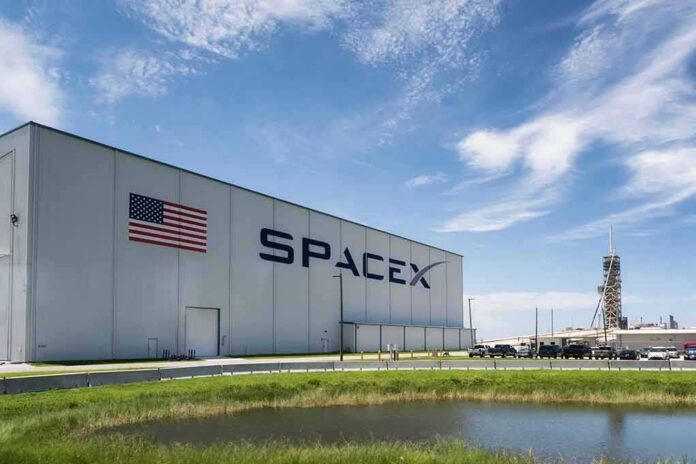
Elon Musk pledged to give one SpaceX share to every child in America next year, setting off a massive effort to turn words into ownership.
Story Snapshot
- Musk said he will give one SpaceX share to every American child next year.
- News outlets reported the same wording from Musk’s post on X.
- Rough estimates place the pledge’s value in the multibillion-dollar range.
- Details on eligibility and delivery are not defined in the announcement.
Musk’s Public Pledge and What It Says
On October 19, 2026, Elon Musk wrote on X that next year he will give “one of my SpaceX shares to every kid in America,” calling it the first of many. Major outlets reproduced the wording and identified Musk as the source, confirming the statement as his own public commitment. Reporters noted the scope is national and specific: one share per child. Musk did not pair the post with a legal document or a corporate filing that would confirm how this transfer will work.
The size of this promise is large by any measure. Analysts and reporters used an estimated child count in the tens of millions and a reported share price figure to suggest a notional total in the ten-billion-dollar range at recent valuations. That estimate is a snapshot. It depends on both the number of eligible children and the price of SpaceX shares at the time of delivery. It also does not prove how many shares can be moved or when.
Unanswered Questions: Who Qualifies and How It Moves
News coverage highlighted missing program details in Musk’s post. The phrase “every kid in America” did not define age cutoffs, residency, citizenship, or how to handle new births in the period. Musk did not describe the transfer method, such as direct delivery, custodial accounts for minors, or use of Trump Accounts created under federal law. Outlets reported no timetable beyond “next year,” and no named administrator to run the process.
SpaceX remains a private company, which can make transfers harder. Private shares often involve contract limits, approval rights, and restricted trading windows. Reporters stressed that media saw no board authorization, agreement, or trust instrument tied to this pledge at the time of the announcement. Those items matter because they tell parents how their children would actually receive and hold the shares. Until a vehicle is announced, families cannot take action.
Related Efforts and How Families Should Read Them
A separate program announced by SpaceX President Gwynne Shotwell and her husband described gifting one SpaceX share to Trump Accounts for more than two million children ages eleven to seventeen in lower-income areas. That is narrower in scope and should not be confused with Musk’s broader “every kid” promise. Reporters flagged the difference to prevent mix-ups between the two efforts and to show that Musk’s pledge stands on its own terms today.
Parents want clear steps, not slogans. The next key facts will be eligibility rules, the delivery mechanism for minors, and who handles custody. If shares land in custodial or Trump Accounts, families will need simple directions to claim and manage them. For now, the confirmed fact is the pledge itself. Newsrooms across the spectrum reported Musk’s words the same way, and all noted the same gaps on timing and process that must be filled before shares reach children.
Why This Matters to Conservative Families
Real ownership builds independence. If this plan moves forward, millions of young Americans could hold a stake in a company that builds rockets, satellites, and jobs here at home. That aligns with free markets, earned success, and an investor culture that keeps wealth in American hands. The test now is execution without waste, politics, or bureaucratic games. Clear rules, limited red tape, and simple delivery would honor the promise and respect families’ time and trust.
Sources:
foxbusiness.com, cnbc.com, bloomberg.com, deccanchronicle.com, x.com, axios.com, cnn.com, businessinsider.com