A Russian drone hit rescue crews at a Ukrainian aid site just after Russian bombs killed civilians there, turning a lifesaving mission into a new battlefield.
Story Highlights
- Russian bombs struck a former school and shelter used for aid in Komyshuvakha, killing dozens, officials say.
- A Russian drone then hit emergency workers at the same site; equipment was damaged, no rescuers killed.
- United Nations monitors have documented repeat strikes on responders in Ukraine, showing a troubling pattern.
- Local authorities continue recovery and search efforts as the death toll climbs and many remain missing.
Deadly Bombing Hits Aid Site and Shelter in Komyshuvakha
Ukrainian officials said Russian bombs hit a former school and its shelter in Komyshuvakha, Zaporizhzhia region, while people waited for humanitarian aid. Reports put the death toll at several dozen, with more missing as crews dig through rubble. The site, used to hand out food and supplies, took multiple guided bomb hits. Local leaders called it one of the deadliest attacks in the area since the war began. The strike hit civilians who were lined up for help, not near an active military target.
Ukraine’s State Emergency Service said rescue teams arrived after the bombing to search for survivors and recover the dead. While they worked, a Russian drone struck the scene, damaging specialized rescue equipment. Officials said no rescuers were killed in the drone attack, but the hit forced a pause and made the operation more dangerous. The back-to-back blows increased fear for survivors still trapped and slowed efforts to reach people beneath collapsed walls and debris.
Follow-On Drone Strike Targets Emergency Responders
Authorities described the second strike as a drone attack aimed at the same aid site. The strike hit while crews cleared rubble and treated the wounded. This tactic exposes firefighters, medics, and volunteers, who enjoy special protections under the laws of war. The drone strike did not cause reported fatalities among responders but damaged gear that crews rely on to cut rebar, lift slabs, and stabilize structures, raising the risk for both rescuers and victims still inside.
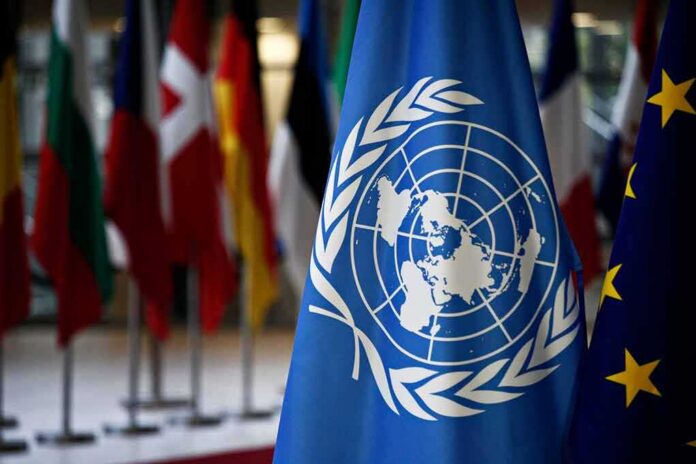
United Nations human rights monitors have reported repeated incidents where a first strike is followed by another that hits responders in Ukraine. Briefings to the United Nations highlighted cases where ambulances, fire brigades, and aid workers were attacked when returning to help after an initial blast. That record makes the Komyshuvakha sequence consistent with recent patterns. International humanitarian law bars attacks on rescue personnel and marked humanitarian facilities, underscoring the gravity of such follow-on strikes.
Rising Toll, Ongoing Search, and Legal Stakes
Regional officials reported the death count rose through the week as crews uncovered more victims at the school and its shelter. Local updates cited more than 50 people dead and noted ongoing efforts to identify bodies and locate the missing. The scale of loss at a known aid point shocked residents and strained emergency teams already stretched by constant strikes. Families waited nearby for word as crews worked under the threat of more drones hovering over the site.
Human rights reporting details dozens of attacks against clearly marked humanitarian targets and first responders across Ukraine this year, including drone hits on vehicles and facilities. Monitors recorded casualties among emergency workers and aid staff during defined reporting periods, reinforcing concern that these are not isolated incidents. If investigators confirm intent to target civilians and protected personnel at Komyshuvakha, legal experts say those acts could violate core rules of war and invite accountability claims.
What This Means for U.S. Readers Who Value Rule of Law
American readers who care about law, order, and moral clarity can see the stakes here. Bombing an aid line and then hitting rescue crews offends basic rules that protect the innocent. The United States stands for accountable government and the defense of civilians in war. Clear facts from named outlets and United Nations monitors document the pattern and the event sequence in Komyshuvakha. That evidence supports firm diplomacy and targeted help for lifesaving gear and rapid recovery tools that keep responders safe.
Sources:
military.com, abcnews.com, sfgate.com, reuters.com, bbc.com, vkksu.gov.ua, ukraine.ohchr.org