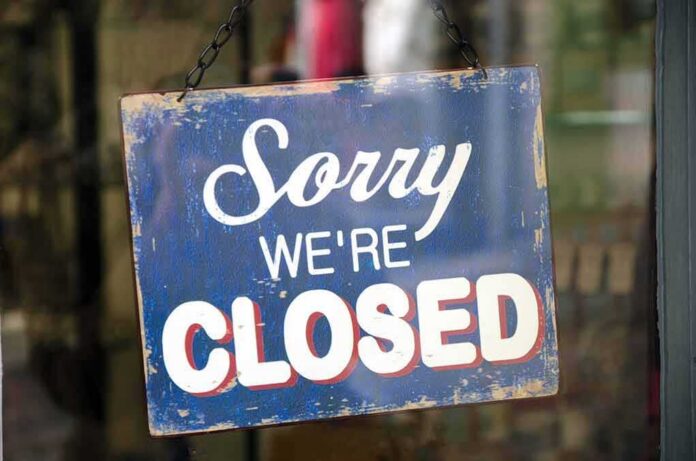
France shut the Louvre and other top Paris museums as it rolled out about 70,000 officers to brace for fresh protests and renewed street violence.
Story Highlights
- France closed major Paris museums to protect visitors, staff, and priceless art.
- Authorities deployed about 70,000 police and gendarmes nationwide for protests.
- Closures followed fires, smashed windows, looting, and clashes in prior unrest.
- Protesters recently blocked the Louvre entrance, underscoring security fears.
Paris Shutters Flagship Museums To Prevent Protest Damage
The French Culture Ministry directed major Paris museums to close for a day to protect visitors, staff, and artworks as new protests gathered in the capital and across France. The Associated Press reported closures at the Louvre, the Musée d’Orsay, the Picasso Museum, and the Grand Palais. France 24 reported the same list as authorities prepared for potential violence after a turbulent weekend of unrest that rattled shopkeepers and cultural sites alike.
Officials framed the closures as a necessary step to guard crowded public spaces that hold national treasures. Museums draw long lines and global attention. They are soft targets when streets turn chaotic. The ministry’s safety focus matched a broader pattern in France, where public buildings and symbols can become rally points or flashpoints during mass protests. Leaders moved early to reduce risks before crowds formed and tensions rose.
Security Forces Mobilize In Unusual Numbers Nationwide
Interior Minister Laurent Nuñez said about 70,000 police and gendarmes would deploy nationwide for Saturday’s demonstrations, backed by helicopters, armored vehicles, and water cannons. France 24 described a large, visible security posture across the country as officers prepared for marches tied to cost-of-living pressures and other grievances that have drawn diverse groups into the streets. The aim was to deter looting, protect key sites, and keep marches from tipping into street fights.
The scale of the deployment signaled how seriously officials viewed the risk of renewed disorder. The government spotlighted rapid response tools in case small sparks spread. Water cannons and armored units are designed to break up violent clusters and open blocked routes. A strong presence can reassure families and tourists while warning would-be vandals to stand down. Authorities also coordinated with local leaders to monitor hotspots and shift resources fast.
Closures Follow A Week Of Fires, Looting, And Museum Blockades
Last week’s protests saw fires, smashed storefronts, looting, and clashes with police, according to reporting that set the stage for Saturday’s shutdowns. The Independent and France 24 both described the prior unrest as violent, with damage focused around commercial corridors and areas where protests spilled into surrounding streets. The human and financial toll from those scenes made cultural sites an obvious worry for planners seeking to reduce targets and ease police workloads.
The Louvre faced direct disruption days earlier, when protesters blocked entrances on October 19. Management and unions said students from the École du Louvre took part, underscoring how even a world landmark can be tangled in campus and street politics. That blockade offered a clear example of how fast a crowd can disrupt operations and strain security. With new marches planned, leaders chose to remove the draw of long lines and packed galleries that can turn into choke points.
What The Moves Mean For Travelers, Families, And Public Order
Tourists who hoped to see the Mona Lisa or walk the Orsay’s Impressionist halls had to change plans. Families who count on museums for safe, calm spaces found closed doors. But authorities argued these short-term costs beat the risk of panic inside tight galleries if unrest moved close by. Closing large venues also frees police to patrol streets, protect small businesses, and stop vandalism before it spreads from a few bad actors to city blocks.
French officials linked the closures to basic safety goals rather than politics. They emphasized visitor protection, staff security, and the preservation of artworks, which are national assets that cannot be replaced. That stance tracks with common sense. When streets heat up, leaders shield what is most at risk and hardest to defend. While the record does not show museum-by-museum threat details, the combination of recent violence and a Louvre blockade created a clear rationale for caution.
Sources:
youtube.com, rfi.fr, afp.com, france24.com