A national media push to normalize slow vote counts clashes with voters’ demand for speedy, transparent results backed by records.
Story Snapshot
- Federal rules and state laws allow counting to extend for days or weeks in some races.
- Mail ballots need extra verification steps, which slows public totals.
- Huge Election Day mail returns create backlogs without proving fraud.
- Certification deadlines show results are not expected on election night.
What Drives Delays And Why States Differ
Congressional research explains that states set their own rules for when voting happens and when officials may start processing and counting ballots. That means timelines vary, and final numbers can arrive well after polls close. Some states allow officials to pre-process mailed ballots. Others wait until Election Day or after. These choices shape how fast totals appear and how long close races remain unsettled. Federal guidance lays out these lawful differences across states.
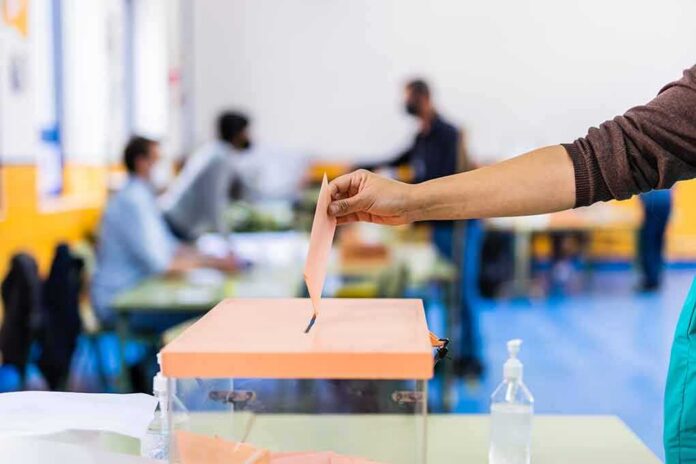
Mail voting adds time because workers must confirm voter identity. They check the envelope, match the signature with registration records, and separate the ballot from the envelope before tabulation. Those steps protect against illegal votes but slow the public count. This is routine and does not by itself prove any wrongdoing. It does explain why large batches can post later and change reported margins as more verified ballots are added.
Backlogs, Batches, And The “Late Night” Drama
Election offices can face a flood of mailed ballots on Election Day itself. Some counties get a big share of their mail on that day, which creates a processing queue. Analysts say places like California often receive huge volumes that take days to verify and scan. The result is later updates and visible “batch” jumps in totals. Those jumps reflect workflow, not a known scheme. Big mail volume on Election Day can be normal in high-turnout cycles.
Receipt and certification laws also extend timelines. Some states accept ballots that arrive after Election Day if they were mailed by Election Day, which stretches the lawful window for counting. Courts have upheld such statutes, and state canvass schedules plan for this reality. These rules make sure on-time voters are included, even if the mail runs late. They also mean close races can remain uncalled while officials process valid ballots within legal windows.
Certification Calendars Mean “Election Night” Isn’t The Finish Line
States set deadlines for counties to canvass results and for state officials to certify winners. Those dates often land weeks after Election Day. For example, reporting on battleground states notes that North Carolina’s certification deadline falls late in November, with extra time allowed when county canvasses run behind. That timeline underscores a basic fact: official results are not expected the night polls close, especially in tight contests.
Colorado’s process adds guardrails that can push final certification toward the end of the month. The secretary of state must wait for counties to report and for any mandatory recounts to finish before certifying congressional results. The statute ties the completion date to the recount clock. That sequence can hold results open even when most ballots are already counted, because certification must follow the law’s steps in order.
Where Confidence Falters And What To Fix
Media explanations say delays can be normal, but voters still want proof. The sources here outline processes and deadlines, yet they do not include county batch logs, chain-of-custody records, or rejected-ballot totals for every slow race. That gap leaves critics room to question specific delays. The clean fix is sunlight. Counties should publish timestamped logs for receipt, signature review, curing, scanning, tabulation, and reporting so citizens can match each batch to the law.
Mail service problems also matter. Reports tie delivery slowdowns to late or rejected ballots in some areas, which can fuel anger when voters did everything right. States that accept ballots postmarked by Election Day reduce that risk; states that require receipt by poll close do not. Clear public data on late arrivals, rejections, and cures by county would show whether rules were applied evenly. Transparency restores trust without surrendering election security or state control.
Sources:
twitchy.com, pbs.org, gpb.org, statecourtreport.org, governing.com, miamiherald.com, snopes.com, newsnationnow.com, wlrn.org