A wave of Ukrainian drones forced Moscow to choke its own airspace, snarling travel at all four major airports and grounding even government jets, according to multiple reports.
Story Highlights
- Russia halted flights at Sheremetyevo, Vnukovo, Domodedovo, and Zhukovskiy during drone threats
- Hundreds of flights were delayed or canceled, stranding passengers across Moscow terminals
- Moscow’s mayor and the Defense Ministry linked the restrictions to drones approaching the capital
- Reports said government aircraft circled or diverted while airports paused operations
Drone Threat Triggers Capital-Wide Airport Pauses
Reuters reported that Russia’s aviation regulator imposed temporary flight limits at all four main Moscow airports during major Ukrainian drone attacks. The action impacted Sheremetyevo, Vnukovo, Domodedovo, and Zhukovskiy, and brought departures and arrivals to a halt while defenses responded. Russia’s Defense Ministry said it downed drones headed toward the capital, and Moscow’s mayor tied the restrictions to drones moving toward the city. The shutdowns show how drone pressure can disrupt a hub without striking runways or terminals.
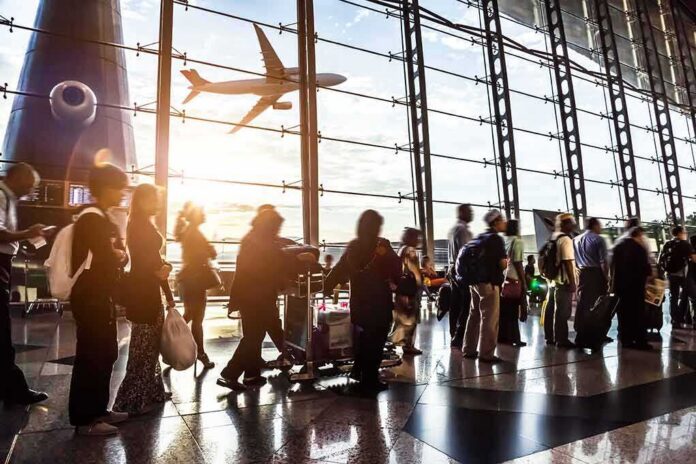
Reports described thousands of stranded travelers, long lines, and crowded floors as flights slipped from schedule or were canceled. One tally cited more than 370 delays and 62 cancellations tied to the safety measures. The exact totals vary by outlet, but the direction is clear: air travel around Moscow slowed to a crawl. Russia later reopened some airports the same day, but the hours-long pauses had already rippled across airlines and passengers trying to move through a key gateway.
Evidence From Russian Officials Underscores The Impact
Russian authorities themselves linked the restrictions to drones. Reuters reported that Moscow’s mayor said four drones were intercepted on a July day when one major airport suspended departures. On another date, Russia said it downed dozens of drones, including several flying toward Moscow, as airports limited operations. These official statements support the link between drone activity and aviation slowdowns, even as Moscow framed the pauses as basic safety steps to protect civil flights from risk.
Follow-up coverage highlighted how the closures reached beyond tourists and business travelers. The Telegraph reported that government and presidential fleet aircraft were forced to circle or divert during a major attack, underscoring the scale of the disruption near the seat of power. While Russia emphasized successful interceptions and later resumptions, the need to divert sensitive flights shows practical pressure on the state. That consequence does not require direct hits on airport infrastructure to be real.
Patterns Point To A Strategy Of Airspace Disruption
Reuters documented repeated drone-linked slowdowns across Moscow’s airports over multiple days. The pattern suggests a clear operational effect: raise the cost of defending the capital by forcing frequent airport pauses and broad safety closures. International aviation guidance supports such pauses when risk cannot be managed, and wartime norms expect brief shutdowns even without damage. That is why the story here is not blown claims of destruction, but proven interruptions that clog a vital urban air system.
Important limits apply. The public record does not prove that airports were the drones’ intended physical targets. The most specific numbers on delays and cancellations come from Russian or pro-Kremlin channels and vary across outlets. Weather and routine safety procedures can also slow flights. Still, named Russian officials tied key closures to drone threats, and reputable reporting confirmed mass delays. Taken together, the facts support a simple point: drones forced Moscow to slam the brakes on air travel, again and again.
Sources:
feedpress.me, themoscowtimes.com, reuters.com, kyivindependent.com