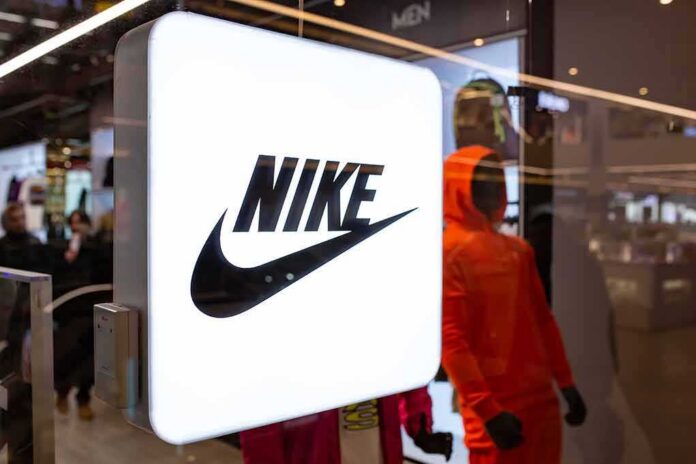
Federal prosecutors say a trendy Los Angeles sneaker boutique co-owner joined a coordinated scheme that siphoned millions in Nike goods using fake shipping labels and insider help.
Story Highlights
- A federal grand jury charged multiple people in a Nike cargo theft scheme tied to a Melrose boutique.
- Investigators say thieves used counterfeit labels to redirect high-demand shoes from a Memphis hub.
- Police seized thousands of Nike items and arrested a key courier linked to the pipeline.
- Authorities allege over $900,000 in boutique payments for stolen inventory before resale.
Federal Indictment Targets Alleged Nike Cargo Theft Pipeline
The New York Post reports a federal grand jury charged several people, including Bereket Abraham, linked to a Melrose Avenue sneaker shop, in an alleged $2 million Nike cargo theft conspiracy. Prosecutors say the group identified hot Nike items, created counterfeit shipping labels, and redirected boxes from Nike’s North American Logistics Center in Memphis to locations nationwide. The plan, as described in reports, aimed to resell the diverted gear for profit through online channels and a fashionable retail storefront tied to the accused.
Prosecutors claim Abraham and associate Sergio Cuellar paid courier Roy Lee Harvey Jr. and others more than $900,000 for stolen shoes before marketing them online and at the Melrose store. The charge sheet described a patterned operation, not a one-off grab. Reports state defendants allegedly selected specific, in-demand styles, then used fake labels to change the delivery path away from Nike’s authorized routes. The charges remain allegations in court, but the narrative matches known cargo diversion tactics seen in other retail theft cases.
Police Seizures Underscore Scale Of The Alleged Scheme
Los Angeles police said they seized thousands of pairs of Nike shoes during searches at a warehouse tied to the case, showing the volume at play in the alleged network. Complex reported that police arrested Harvey after linking him to deliveries of stolen Nike shoes, apparel, and accessories valued up to about $5 million during warrant operations in Hollywood and Hawthorne. Those actions suggest an active pipeline from diversion to resale, and reinforce the federal charge narrative of a coordinated, multi-location enterprise.
The Los Angeles Times previously detailed a similar theft pattern. Detectives believed criminals printed fake labels and paid insiders at shipping companies and at Nike to deliberately divert cartons across the Los Angeles area. That earlier account aligns with the federal theory now aimed at the boutique-linked defendants, including the claim that upstream insiders and downstream resellers worked in tandem. While names of all insiders were not disclosed in those reports, the method matches standard cargo theft playbooks.
How The Alleged Label Switch Worked And Why It Matters
Reports state the crew targeted Nike’s Memphis logistics center, which pushes inventory nationwide, then altered labels to redirect select boxes. That small paper change can flip a shipment’s path, hiding the switch inside the normal carrier flow. Once the product lands at a safe address, resellers can move it quickly to buyers, who may not know the shoes were stolen. The model lowers risk on the street and rewards whoever controls early access to the best styles.
For consumers, this scheme taxes families twice. Businesses pass losses into higher prices and lower stock, and cities absorb the public safety costs. For store owners who play by the rules, stolen inventory undercuts honest sales. For law-abiding workers, insider bribes attack workplace integrity. Conservatives see the same theme: crime rings exploit weak enforcement and complex systems, while regular people pay more and feel less safe when chaos is allowed to spread.
Open Questions, Due Process, And The Bigger Fight Against Organized Theft
The current public record summarizes prosecution claims. Court filings and evidence, such as payment records, shipping logs, and phone messages, are not fully available here. No verdicts are reported in the provided materials, and defense responses are not included. Those limits matter, and the defendants are presumed innocent. Still, the seizures, arrests, and the consistent method across sources point to an ongoing and serious cargo theft problem that harms consumers and strains police resources.
Law enforcement in Los Angeles has used organized retail theft units and undercover work to target repeat Nike thefts, including separate flash-mob and sting operations in East Los Angeles, showing a broader crackdown. For readers who care about safe streets and fair markets, this case fits a pattern that calls for firm prosecution, tougher penalties on organized thieves, and pressure on big brands and carriers to harden shipping lanes. When systems are weak, criminals fill the gaps—and families bear the cost.
Sources:
nypost.com, latimes.com, youtube.com, abc7.com