After two decades at sea and a conviction in absentia, a fugitive doctor featured on America’s Most Wanted is finally in custody.
Story Highlights
- Federal and state officers intercepted Ronald L. Fischer’s 56-foot sailboat after more than 20 years on the run.
- Fischer fled mid-trial in 2005 and was convicted of first-degree sexual assault in absentia, according to case reporting.
- The Federal Bureau of Investigation (FBI) Boston office confirmed his arrest after a multi-state operation.
- The case shows how courts allow trials to proceed when a defendant flees after proceedings begin.
Arrest At Sea Ends A Long Manhunt
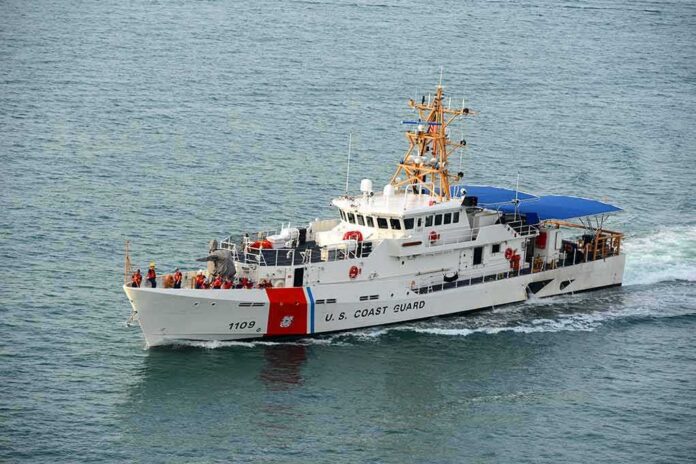
U.S. Marshals and the United States Coast Guard stopped a 56-foot sailboat off the coasts of New York and New Jersey and arrested Ronald L. Fischer, 70, after more than 20 years on the run. The Federal Bureau of Investigation (FBI) Boston office said a multi-state team, including the Rhode Island Violent Fugitive Task Force, brought Fischer into custody without incident. Officials said Fischer had used an alias while living aboard the vessel for years to avoid capture.
Media reports identified the boat as the Silver Lining and described Fischer as an experienced sailor who built a second life on the water. The coordinated takedown closed a chapter that began when Fischer, a former anesthesiologist, disappeared during a Newport rape trial in 2005. Law enforcement credited patient investigative work and interstate cooperation for locating his position at sea and moving in before he could slip away again.
Flight During Trial And Conviction In Absentia
Local investigative reporting states Fischer emailed his lawyers during trial in 2005, said he was unwilling to risk a guilty verdict, and left to start a new life overseas. The court proceeded without him and a jury found him guilty of first-degree sexual assault, according to that report. Legal scholarship explains that when a defendant flees after a trial begins, courts treat it as a waiver of the right to be present and allow the trial to continue to verdict.
That rule aims to stop defendants from gaming the system and stalling justice. It also protects victims who already testified and the jurors who heard the case. While each case turns on its facts, courts have long held that voluntary absence does not halt a trial once it starts. Fischer’s flight fit that pattern. His conviction stood while he hid at sea, and the warrant stayed active until agents made the arrest this week.
Why This Capture Matters To Public Safety
Federal and state officers showed that persistence works. A man who dodged justice for decades can still face consequences. That message matters for victims who wait years for closure and for communities that expect government to enforce the law fairly. The FBI confirmation and the details of the maritime arrest show serious coordination among agencies and states to defend the rule of law and the safety of the public.
🚨 CAPTURED: A fugitive featured on America’s Most Wanted has been arrested after spending 20 years on the run.
Federal agents tracked down 70-year-old Ronald L. Fischer aboard his 56-foot sailboat off the East Coast, ending a two-decade manhunt. Authorities say Fischer fled… pic.twitter.com/vf7RsfNhTJ
— Brandon Tatum (@TheOfficerTatum) July 18, 2026
Conservatives value due process and accountability. This case supports both. The system allowed the trial to go on when the defendant ran, and patient police work finally brought him back to face the court’s judgment. Nothing about this required new laws or soft deals. It required steady work, strong borders at sea, and a clear line: you cannot flee a verdict and keep your freedom. That is how justice should work in a nation of laws, not loopholes.
What Comes Next In Court
Court scheduling will follow standard steps. Marshals will handle transport and intake. A judge will address any pending matters, including formal sentencing or post-conviction motions. Defense lawyers can make arguments about procedure, but the core legal backdrop is firm: a defendant who flees after trial starts often waives the right to be present, and the verdict stands unless a specific legal error is shown. Officials have not released a detailed timeline for the next hearings.
For citizens, the takeaways are clear. First, long-term fugitives can be found, even after many years. Second, the justice system can protect victims while guarding constitutional rights. Third, strong cooperation between local police, federal agents, and maritime units works. In a time when many worry about government overreach or weakness, this operation shows the right balance: targeted action, clear authority, and a focus on real public safety, not politics.
Sources:
redstate.com, facebook.com, turnto10.com, law.justia.com