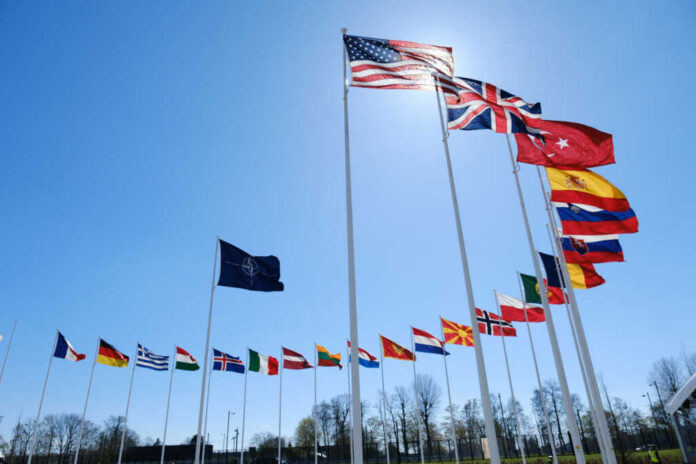
A reported U.S. review of nuclear sharing in Poland and the Baltic states could reshape NATO’s eastern shield and revive an old debate about deterrence, escalation, and American resolve.
Quick Take
- The United States is reportedly considering expanded nuclear hosting in Europe, but no final decision has been announced.[4]
- Poland and the Baltic states are being discussed as possible hosts for dual-capable aircraft or related nuclear infrastructure.[1][3][4]
- NATO already runs a long-standing nuclear-sharing system in five European countries, which makes this an expansion of an existing model.[2][3]
- Supporters argue the move would strengthen deterrence on NATO’s eastern flank; critics warn that it could increase tension with Russia.[3]
What the Reports Say
Reports reviewed this week say the United States is weighing whether more European NATO members could host nuclear-capable aircraft or infrastructure tied to the alliance’s deterrent.[1][3][4] The accounts emphasize that Poland and the Baltic states have shown interest, but they also say no agreement is imminent and no deployment has been confirmed.[1][3] That distinction matters, because speculation about nuclear policy can move markets, stir fear, and fuel headlines long before any formal policy is set.
The broader context is not new. The United States has deployed nuclear weapons in Europe since the 1950s, and current estimates place U.S.-owned weapons in five NATO member states.[2][3] The existing arrangement keeps U.S. custody and control over the weapons, while allied aircraft are certified to deliver them in wartime.[1] In other words, the discussion is about extending an established NATO practice farther east, not inventing a new doctrine from scratch.[1][3]
Why Poland and the Baltics Matter
Poland and the Baltic states sit on NATO’s front line with Russia, so any nuclear-sharing expansion would carry obvious strategic symbolism.[3][4] Supporters of the idea see value in placing more of the alliance’s deterrent posture closer to territory that would be threatened first in a crisis. That argument fits a simple conservative instinct: peace is more likely when an adversary believes the United States and its allies are serious, prepared, and unwilling to bluff about defense.
At the same time, the reported talks also expose the cost of strategic ambiguity. Euronews says the United States is “reportedly in talks” to expand nuclear weapons hosting in Europe, which means the public record still shows discussion rather than a signed decision.[4] That caution is reinforced by reporting that no agreement is imminent.[1][3] For readers who are wary of open-ended foreign commitments, the key issue is whether this strengthens deterrence without dragging the nation into another cycle of provocation and managed crisis.
The Alliance and Escalation Question
NATO’s nuclear-sharing system already relies on dual-capable aircraft, U.S. weapons custody, and alliance-wide political coordination.[1][2][3] Moving any part of that posture into Poland or the Baltics would therefore require new infrastructure, political consent, and tighter alliance management.[3] Those hurdles help explain why the subject keeps appearing as a trial balloon rather than a done deal. They also explain why the debate is so divisive: every gain in forward deterrence comes with a corresponding risk of sharper confrontation.
For now, the strongest fact in the record is that the talks are real, but the deployment is not.[4] The United States already maintains nuclear weapons in Europe, and NATO already uses a shared nuclear framework.[2][3] Whether that framework moves east will depend on military calculations, allied politics, and whether Washington judges the strategic payoff worth the escalation risk. Until then, the story is less about deployed weapons than about how seriously America intends to defend NATO’s exposed border states.[1][3]
Sources:
[1] Web – U.S. May Consider Placing Nukes in Poland, Baltic States
[2] Web – [PDF] United States nuclear weapons in Europe | CND
[3] Web – Fact Sheet: U.S. Nuclear Weapons in Europe
[4] Web – Nuclear Weapons in Europe: Mapping U.S. and Russian Deployments