Venezuela’s military escalation at the sight of a US aircraft carrier raises concerns over regional tensions.
Story Snapshot
- Venezuela deploys 200,000 soldiers in response to US military presence.
- The arrival of the largest US aircraft carrier sparks regional anxieties.
- The Venezuelan Defense Minister cites national security concerns.
- Potential implications for US-Venezuela relations and regional stability.
Venezuela’s Military Response
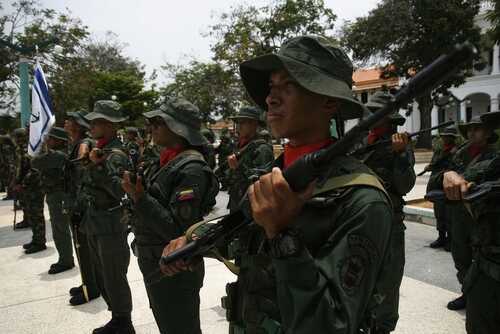
Venezuela has deployed 200,000 soldiers in response to the presence of America’s largest aircraft carrier off the South American coast. This massive military mobilization was announced by Venezuelan Defense Minister Vladimir Padrino López. The minister emphasized that Venezuela is acting to safeguard its national sovereignty and security, viewing the US presence as a provocative act. This deployment marks one of the largest military responses in the region, highlighting the escalating tensions between the two nations.
The deployment has sparked concerns across the globe, as experts debate the potential for a military confrontation. The US aircraft carrier, known for its formidable power, represents a significant show of force. While the US government has not officially stated its intentions, the presence of such a vessel sends a strong message. Analysts suggest that this move could be a strategic positioning to counteract perceived threats from Venezuela and its allies in the region.
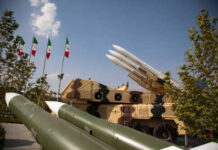
200,000 Venezuelan troops mobilized for drills using RUSSIAN air defenses as US forces amass in Caribbean
‘Venezuela is DEFENDED by Bolivarian force’ — Defense Minister Vladimir Padrino López https://t.co/Bt6vuF0D2k pic.twitter.com/vxH0J8Zq2z
— RT (@RT_com) November 11, 2025
Potential Impact on Regional Stability
The arrival of the US aircraft carrier and Venezuela’s subsequent military response have significant implications for regional stability. Neighboring countries are closely monitoring the situation, wary of any potential spillover of conflict. There are concerns that this standoff could destabilize the region, affecting trade and diplomatic relations. The international community is urging both nations to engage in dialogue to defuse tensions and prevent an escalation that could have far-reaching consequences.
While the US maintains its stance on promoting democracy and countering authoritarian regimes, Venezuela perceives the US military presence as an intrusion. This dichotomy of perspectives underscores the longstanding ideological differences between the two countries. The situation calls for careful diplomatic navigation to prevent further deterioration of bilateral relations, which could impact economic ties and humanitarian efforts.
Broader Implications for US Foreign Policy
This development poses a challenge for the US administration as it seeks to balance its foreign policy objectives in a volatile geopolitical landscape. The deployment of military assets in proximity to Venezuela is seen by some as a reaffirmation of US commitment to its allies in Latin America. However, it also risks alienating nations that view such actions as aggressive posturing. The situation requires a nuanced approach that considers both the security interests of the US and the sovereignty of nations in the region.
The current standoff serves as a reminder of the complexities involved in international relations, where military might must be tempered with diplomacy. As the world watches, the actions taken by both the US and Venezuela will be pivotal in shaping the future of their relationship and the stability of the region. It is crucial for all parties involved to engage in constructive dialogue and explore peaceful solutions to prevent a crisis that could have severe humanitarian and economic repercussions.