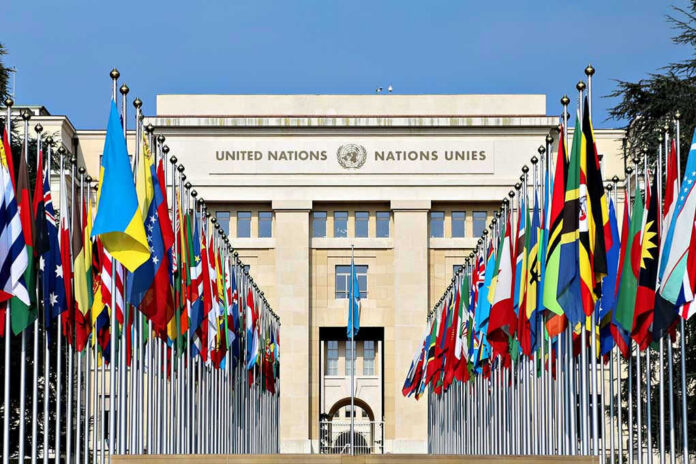
Argentina’s President Javier Milei blasted the United Nations as a “useless organization,” accusing it of feeding unaccountable elites while failing on real conflicts.
Story Highlights
- Milei used his United Nations General Assembly speech to denounce the body as “useless.”
- He said the United Nations ignores Argentina’s Falklands/Malvinas dispute and tolerates double standards.
- United Nations materials stress human rights and peacekeeping as core missions, pushing back on claims of irrelevance.
- The clash spotlights a wider fight over national sovereignty, global bureaucracy, and accountability.
Milei’s Charge: A Bloated United Nations That Dodges Real Problems
Argentine President Javier Milei told world leaders in New York that the United Nations has become a “useless organization” that sustains “a caste of fatally arrogant parasites.” He said the body fails at its core job and lets powerful interests steer the agenda. United Nations News summarized his remarks and confirmed the sharp language from the assembly podium, underscoring how rare such direct criticism is at that forum. Video of the address shows the attack framed as a demand for accountability.
Milei tied his critique to specific disputes, led by the Falklands, known in Argentina as the Malvinas. He argued the United Nations “looked the other way” while the dispute dragged on for decades without a solution. Regional and local outlets reported that he pressed sovereignty claims and warned oil firms against aiding development that sidelines Argentina’s position. Reuters also reported his charge that United Nations institutions avoided serious action on the matter, keeping the issue stuck in place.
What the United Nations Says Its Mission Is
United Nations statements say the organization’s job is to maintain peace and security, and to promote human rights and the rule of law. The United Nations site notes that “human rights” appears seven times in its Charter, calling rights work a key purpose. It says many peace operations include human rights tasks to protect civilians and support stable governance. Those claims directly rebut the idea that the institution has no core mission or measurable work on the ground.
United Nations peacekeeping pages add that modern missions help manage political processes, secure elections, and rebuild court systems after war. They stress that human rights are a core pillar for field work and that staff have a duty to protect and promote those rights. Supporters argue that this approach prevents conflict and makes peace last longer in places where fighting has shattered basic order.
Falklands/Malvinas: Process Without a Finish Line
United Nations General Assembly resolutions have urged Argentina and the United Kingdom to keep talking and avoid unilateral changes, but they have not forced a final deal. Records show the assembly pressed for negotiations several times since the 1960s and 1980s. The pattern has been more pressure than power: the body can spotlight issues and urge talks, yet cannot impose a binding fix when key parties refuse to move.
During the 1982 war, the United Nations Security Council demanded a ceasefire and withdrawal with Resolution 502, which labeled the invasion a breach of the peace. Later, Resolution 505 called for both sides to seek a peaceful outcome. These steps underlined the limits and the reach of the system: it can condemn and demand, but enforcement still depends on states with will and capability to act.
Why Conservatives Should Care
Milei’s blast speaks to a familiar concern for many Americans: global bodies drift left, grow costly, and dodge results. Critics see unaccountable experts pushing trendy agendas while ignoring border security, energy affordability, and national sovereignty. Supporters of strong nations argue that decisions must flow from elected leaders, not distant offices. Milei’s speech forces a clear test: if the United Nations claims to guard peace and rights, it should show progress where it counts, not just process.
The Stakes for U.S. Policy Under President Trump
President Trump has emphasized sovereignty, fair burden-sharing, and results in global bodies. Milei’s message aligns with that view: measure work by outcomes, not press releases. For U.S. taxpayers, the question is value. If the United Nations advances peace, protects civilians, and supports free nations, then show the gains and costs in the open. If not, demand reform, cut waste, and push decisions back to accountable governments closer to the people.
What Comes Next
Argentina will keep pressing its claim, while the United Nations will point to talks and norms. That clash will test whether diplomacy can move beyond speeches. It will also test whether the United Nations can prove real-world wins that match its mission statements. For conservatives, the path is clear: insist on transparency, limit mission creep, and defend sovereignty. Results, not rhetoric, should decide the future of any global body that spends public money.
Sources:
facebook.com, news.un.org, webtv.un.org, news.nate.com, democrata.es, link.springer.com, cpsa-acsp.ca, ohchr.org, jpost.com