An Oklahoma man admitted running a fake farm stand that siphoned $212,000 in food-stamp funds, exposing holes in program oversight.
Story Highlights
- Steven Eugene Melton Jr. pleaded guilty to theft of government property and benefits fraud.
- Prosecutors say he posed as a farmers market called “Wrights Farms” to process SNAP funds.
- Authorities say the scheme moved about $212,194.58 in benefits over 11 months.
- The case mirrors known patterns of retailer trafficking that watchdogs flag nationwide.
Guilty Plea Ties Fake Farm Stand To $212,000 SNAP Fraud
Federal prosecutors said Steven Eugene Melton Jr., 41, of Noble, Oklahoma, pleaded guilty to theft of government property and fraud tied to Supplemental Nutrition Assistance Program benefits. The U.S. Attorney’s Office said Melton admitted converting benefits for personal use. Court officials said he used a fake farm stand called “Wrights Farms” to get approved to accept electronic benefit cards. The office reported the plea on November 6, 2026, after charges filed earlier that year.
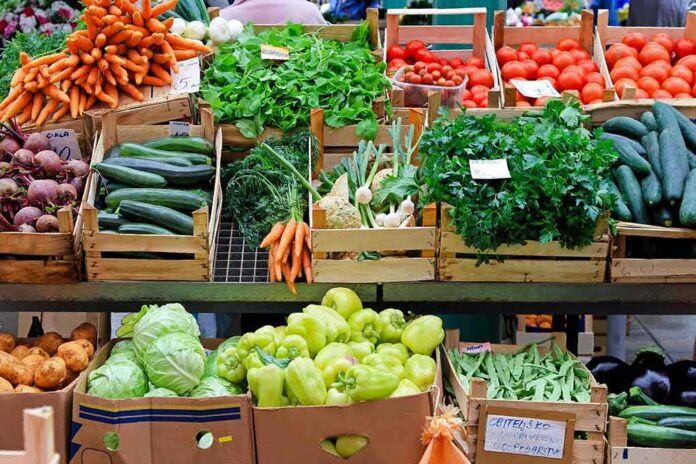
Prosecutors stated Melton applied in June 2023 to the United States Department of Agriculture’s Food and Nutrition Service to take SNAP payments as a direct-marketing farm or farmers market named Wrights Farms. Officials said the application used another person’s name, birth date, and Social Security number. They said the stand did not operate as represented. The agency approved the retailer on June 6, 2023, and the scheme ran for months until federal action followed.
Investigators Detail The Scheme’s Scale And Timeline
Authorities reported that from June 2023 through May 2024, Wrights Farms processed about $212,194.58 in SNAP transactions. They said many redemptions came from fraudulent accounts opened with fake or altered identification cards. A federal grand jury charged Melton on May 19, 2026. He entered a guilty plea on November 2, 2026. Officials said he faces up to 20 years in prison. The court has not yet issued a final sentence or restitution order.
Local coverage echoed the federal summary and the dollar figure. Reports described Wrights Farms as a sham farm stand used to pull funds from the program. Outlets noted the same dates for approval, activity, and plea. They also repeated the maximum penalty listed by prosecutors. The public record summaries do not include the full plea agreement or transaction-by-transaction data. The key facts remain the admitted guilt and the reported total loss.
Why This Case Matters To Taxpayers And Honest Families
This case shows how fraudsters can exploit weak spots in retailer approvals and transaction checks. When fake vendors get in, real families lose access to food dollars, and taxpayers foot the bill. The Government Accountability Office has warned for years that retailer trafficking—trading benefits for cash or lying on applications—remains a serious risk and needs better targeting and tracking. That warning fits what prosecutors say happened here with a fake “farm stand” pitch.
An Oklahoma man pleaded guilty to SNAP fraud after setting up a fake farm stand under another person's identity. Federal prosecutors say it processed about $212,000 in benefits from fraudulent accounts from June 2023 to May 2024. He faces up to 20 years.https://t.co/FSLcp3v26v
— ContraWoke (@TheContraWoke) November 8, 2026
Federal watchdogs say the government has stepped up actions against retailer fraud and trafficking. The Department of Agriculture’s recent enforcement efforts and inspector general work stress holding crooked retailers to account. Still, this case reminds us that strong front-end screening and quick data flags are vital. The Trump administration has pushed for tighter controls so help goes to needy families, not to con artists who game the system and drain limited resources.
Sources:
townhall.com, justice.gov, swoknews.com, article.wn.com, fna.usda.gov