
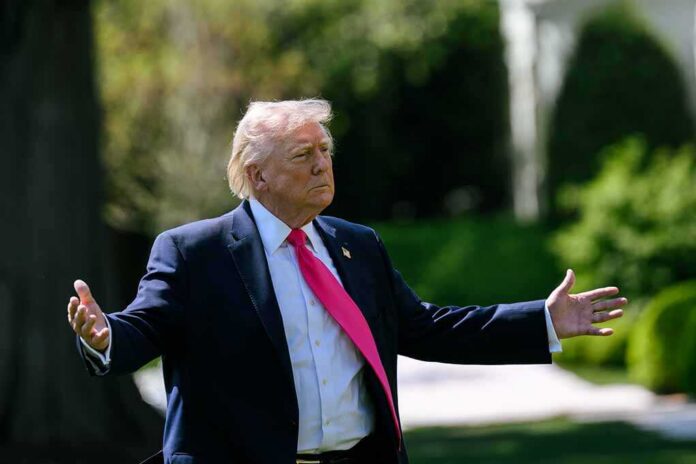
President Trump will host NATO Secretary General Mark Rutte in Palm Beach to press allies on defense spending and discuss paths toward a durable peace in Ukraine, according to official announcements.
Story Highlights
- The White House scheduled a Trump–Rutte meeting in Florida for late Wednesday.
- NATO confirmed Rutte’s U.S. visit and the Mar-a-Lago venue.
- Planned topics include allied defense spending, burden-sharing, and Ukraine peace efforts.
- The talks follow Trump’s recent meetings with Vladimir Putin and Xi Jinping.
White House and NATO Confirm Florida Meeting
The White House said President Trump will meet NATO Secretary General Mark Rutte in Palm Beach on Wednesday afternoon, marking an officially scheduled diplomatic sit-down at Mar-a-Lago. Reports described the meeting as part of Rutte’s two-day visit to the United States. NATO issued its own advisory confirming the Florida venue, giving added weight to the timetable and location. The participants are President Trump and Secretary General Rutte, with the focus on alliance business in a private setting.
NATO’s media notice stated that Rutte would be in the United States November 24–25, with a meeting at Mar-a-Lago on the program. That confirmation supports the White House schedule and identifies the institutional context. The consistent details across outlets align on who is meeting, where they are meeting, and when the session is set to occur. These elements establish a clear diplomatic engagement between the United States and the alliance’s top official.
Agenda: Defense Spending, Burden-Sharing, and Ukraine Peace
A White House official said the talks will aim at more allied defense spending, real progress on burden-sharing, and ways to move closer to a lasting peace between Russia and Ukraine. That plan fits long-running alliance debates about fair contributions and readiness. The official emphasized building on current momentum rather than launching a new framework. Specific dollar amounts or timelines were not reported in available coverage, and no formal agenda document was released alongside the announcement.
Defense spending fights are not new inside the alliance. Research shows burden-sharing disputes flare when threats shift or when the United States pushes allies to do more. That history helps explain why the Trump–Rutte focus on contributions landed front and center. Pressing Europe to invest more in defense lines up with conservative priorities at home: a strong military, fiscal discipline, and allies who carry their load. NATO’s own literature underscores that such disputes are persistent features of alliance politics.
Timing After Talks With Putin and Xi
Wednesday’s Florida session follows President Trump’s recent meetings in Asia with Russian President Vladimir Putin and Chinese President Xi Jinping, both of whom Trump has publicly called his friend. That sequence sharpened attention on Ukraine and Europe’s security needs. The White House signaling on burden-sharing and peace efforts indicates an intent to keep allied pressure steady while exploring options that could end the war without new open-ended U.S. commitments that strain taxpayers.
NATO Secretary General Mark Rutte pushes back against criticism of Trump’s approach to Putin.
He argues that Trump is testing Russia’s willingness to negotiate and putting pressure on Putin to end the war in Ukraine.
“When it comes to NATO, this president has achieved a LOT!”…
— Thomas Sowell Quotes (@ThomasSowell) November 25, 2026
NATO’s public stance on Ukraine stresses strength first, then talks. The alliance says a just and lasting peace comes from helping Ukraine win on the battlefield and at the table. That view tracks with the reported agenda: hold the line against Russian aggression while working toward terms that stop the fighting. Any durable deal will have to address security guarantees and future risks, which are active topics in ongoing international discussions beyond this single meeting.
What This Means for U.S. Conservatives
Allied burden-sharing goes to the heart of fairness. American families already face high costs from years of overspending and inflation. When Europe boosts its defense budgets, U.S. forces get relief and America’s taxpayers are respected. The Florida talks point to a push for concrete progress on that front. If NATO nations meet clear targets, the alliance gets stronger without asking Washington to write endless blank checks or tolerate waste.
Ukraine peace efforts also demand clear limits and measurable goals. Ending the war should not weaken deterrence or invite more aggression. The reported focus on a lasting peace suggests attention to real security needs, not vague promises. That means backing Ukraine so it can defend itself while testing steps that could stop the bloodshed. The White House and NATO did not release a detailed agenda, but both sides confirmed the meeting and its core aims, which frame the path ahead.
What to Watch Next
Watch for whether allies announce new defense spending plans in the weeks ahead. Look for language that hits firm levels and timelines, not soft pledges. Track any follow-up reads from the White House or NATO that describe progress on peace channels for Ukraine. Clear outcomes would show the Florida talks moved beyond signaling to action. Even without immediate numbers, confirmed priorities set the stage for decisions that can protect U.S. interests and ease the burden at home.
The bottom line is simple. The Trump–Rutte meeting is set, the priorities are known, and the stakes are high. If allies do more and the West holds firm, America’s military stays strong, the alliance grows fairer, and peace has a better chance. That is how you secure our borders, protect our wallets, and keep faith with those who wear the uniform.
Sources:
insiderpaper.com, reuters.com, ariananews.af, en.moneyandbanking.co.th, internazionale.it, doria.fi