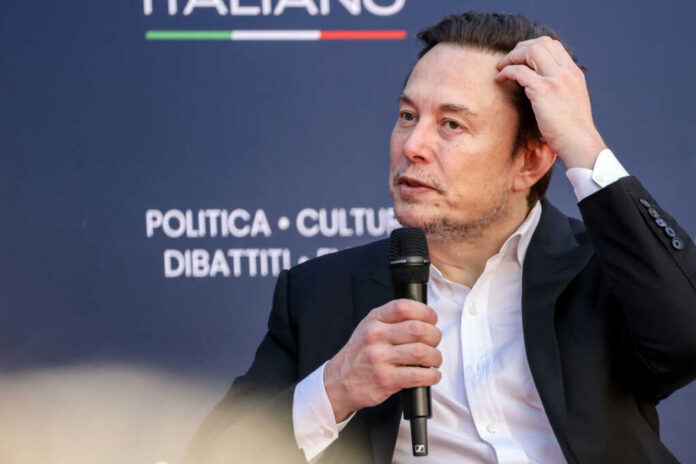
Wisconsin election officials have put Elon Musk in the legal crosshairs after finding probable cause that his $1 million voter checks may have crossed the line into election bribery.
Quick Take
- The Wisconsin Elections Commission voted 5-1 to refer complaints about Musk to the Brown County District Attorney’s office.
- Officials said Musk may have violated Wisconsin law by offering money to induce people to vote.
- A June lawsuit said Musk and allied groups used cash payments and petition signers to push voters in the state Supreme Court race.
- The case now sits in the criminal and civil process, with prosecutors and judges facing pressure to act.
Commission Finds Probable Cause
The Wisconsin Elections Commission said Musk may have violated the state’s election bribery law when he offered $1 million checks during the 2025 Wisconsin Supreme Court race. The commission approved a motion finding probable cause and sent the complaints to the Brown County District Attorney for review. That step does not mean guilt has been proved. It does mean state officials found enough concern to push the matter toward possible charges.
According to the complaint summary, the dispute centers on Musk’s use of cash awards tied to political activity in Wisconsin. The lawsuit says his groups paid voters $100 to sign a petition and later paid million-dollar awards to selected people who had signed it. It also says Musk described the $1 million awards as being “in appreciation for you taking the time to vote.” That language is the heart of the legal fight.
Why the Legal Fight Matters
Wisconsin law bars offering money or anything of value to induce a person to go to the polls or vote. State lawyers and election critics argue Musk’s post and payments fit that rule because the money followed voting and was tied to turnout. Musk’s supporters point to the petition-signing structure and say the checks were linked to advocacy, not a direct vote-for-cash deal. That difference may decide how the case is judged.
The broader issue goes beyond one billionaire’s stunt. Cash incentives tied to elections can blur the line between political speech and vote buying. For conservatives who want clean elections and fair rules, the concern is simple: money should not decide who shows up at the polls or who wins a race. The Wisconsin case is drawing attention because it tests that boundary in a high-stakes state Supreme Court election.
Petition Signers Versus Voters
There is one important wrinkle in the record. Some reporting says Musk later clarified that the checks were for people who signed his petition and served as spokespeople for it. That revision gives his side an argument that the payments were not meant to buy votes. But the commission’s probable cause finding and the lawsuit both focus on the original offer and the claim that the money was used to induce voting. That is why the exact wording matters so much.
For now, the public record shows a split between Musk’s defense and the state’s response. The Wisconsin Elections Commission has already moved the case forward, and civil plaintiffs are pressing a separate challenge in court. The Brown County district attorney will now decide whether criminal charges are warranted. Until that happens, the case remains an open test of how far political money can go before Wisconsin law says enough.