
President Trump told three major news outlets they are no longer welcome at the White House, and he did not hold back on why.
Story Snapshot
- Trump said he is banning CNN, MS NOW, and Politico from the White House “effective immediately.”
- He called their coverage “fake news” meant to hurt Republicans, not a ban on all reporters.
- Reports found no sign the ban was actually enforced right away.
- CNN fired back, calling any ban an “illegal assault” on its constitutional rights.
- The fight echoes an ongoing court battle over the Associated Press and a 1977 ruling on press access.
Trump Targets Outlets Over “Fake News” Claims
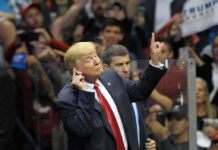
President Trump announced Friday that he was banning CNN, MS NOW, and Politico from the White House. He said the move was “effective immediately” and blamed the outlets for producing “fake news” designed to hurt him and his party. This was not a ban on the entire press corps. Reuters, CNBC, and Axios all reported that Trump named only these three outlets, leaving every other reporter and network free to keep covering the White House as usual.
Trump’s complaint was not vague. He accused the outlets of writing “purposely negative” stories aimed at damaging Republicans and his administration. For years, conservatives have watched networks like CNN frame every Trump policy in the worst possible light while giving Democrats a pass. Whether or not this specific action holds up, the underlying frustration with slanted coverage is one millions of Americans share.
No Immediate Enforcement, But Big Reaction
Here is a detail the outrage machine glossed over: nothing actually happened right away. CNN itself reported there was “no evidence that his administration had initiated any measures to enforce this directive”. Reporters from the named outlets reportedly stayed on the grounds. That gap between a bold announcement and an actual lockout matters, because it means the loudest claims of a press “crackdown” were, at least initially, describing a threat rather than a done deal.
Still, the announcement carried weight simply because it came from the president. Bloomberg and other outlets noted Trump said more bans on outlets he views as biased could follow. That is a real signal about how this White House plans to handle networks it believes act more like opposition researchers than reporters.
CNN and Press Groups Cry Foul
CNN did not stay quiet. The network said it “stands fully behind” its White House team and insisted it has a constitutional right to report “without hindrance or interference from the government”. CNN went further, calling any actual ban an “illegal assault” on a “fundamental and constitutionally protected right”. The National Press Club echoed that alarm, urging Trump to “reverse this declaration immediately” and warning it would mark “an unprecedented assault on press freedom”.
Democratic lawmakers piled on too. Senator Chris Coons accused Trump of using “the power of the presidency to punish a free press”. That reaction was predictable and, frankly, a little rich coming from a party that spent years cozying up to legacy outlets while ignoring complaints about bias against conservatives. The outrage arrived instantly, long before anyone produced proof that CNN’s reporters were physically blocked from doing their jobs.
History of White House Access Fights
This is not the first time a president has clashed with the press over access, and it will not be the last. A 1977 federal appeals court ruling, Sherrill v. Knight, found that once the White House sets up general press facilities, it cannot arbitrarily deny credentialed journalists access without due process. The Trump administration is already fighting a separate lawsuit over restricting Associated Press journalists from spaces like the Oval Office and Air Force One, a case that has produced mixed results in court so far.
That legal backdrop matters because it shows this dispute will likely be settled by judges, not Twitter arguments. If CNN sues, courts will have to decide whether Trump’s move counts as punishing an outlet for its viewpoint or simply managing who gets special access to restricted spaces. Conservatives should watch that distinction closely, since it will shape how future administrations, including future Democrat ones, can treat outlets they dislike.
What Comes Next
For now, the story is a war of words rather than reporters being dragged out the gates. Trump made his frustration with slanted coverage crystal clear, and CNN made its constitutional argument just as loudly. No formal White House memo, credentialing order, or enforcement record has surfaced yet, meaning the real test of this fight is still ahead. Readers should expect this to end up in court, not just in headlines.
Bottom line: a president calling out biased coverage is not new, but doing it by name against three specific outlets guarantees a legal and political fight. Conservatives who have long felt ignored by mainstream newsrooms will see this as overdue pushback, while critics will keep painting it as an attack on the First Amendment. Both sides now wait to see if words turn into action.
Sources:
nypost.com, businessinsider.com, aljazeera.com, cnn.com, nytimes.com, yahoo.com, reuters.com