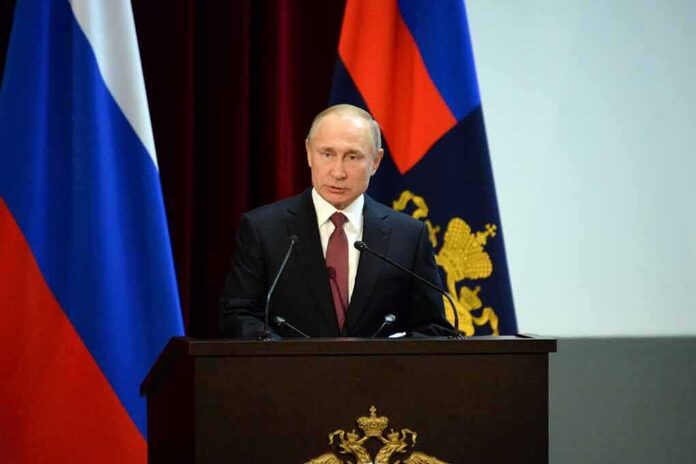
Russia said it will consider a United States invitation for Vladimir Putin to attend December’s G20 summit in Miami, setting up high-stakes diplomacy on American soil.
Story Highlights
- Secretary of State Marco Rubio confirmed the United States invited Putin to the Miami G20.
- Russia said it will weigh the invite through diplomatic channels before deciding.
- If Putin attends, it would be his first in-person G20 leaders’ summit since 2019.
- The host nation controls invitations, keeping adversaries in the room to manage crises.
Rubio Confirms Invitation And Signals Direct Engagement
Secretary of State Marco Rubio told reporters on September 23 in New York that the United States invited Russian President Vladimir Putin to the G20 leaders’ summit in Miami this December. Rubio said the gathering offers a chance for Putin to engage not only with President Trump but also with other world leaders. Reports added that Miami will host the summit in mid-December, making it a rare forum where rivals can speak face-to-face on war, energy, and global markets.
The invitation follows months of summit-level positioning by Washington. Earlier this year, the United States hosted ministerial meetings that saw Russia physically back in the G20 room after years of absences. Those meetings drew pushback from some European officials but kept channels open on finance, trade, and energy shocks. The Miami summit extends that approach. The administration is betting that talks, even with adversaries, can cool tensions and stabilize prices that hit American families.
Kremlin Response: “Will Consider” Through Diplomatic Channels
Kremlin officials thanked the United States and said Moscow will consider the invitation through normal diplomatic channels before confirming any trip. That measured reply keeps options open while Russia weighs security, optics, and agenda outcomes. If Putin attends, it would mark his first in-person leaders’ summit since before the 2022 invasion of Ukraine, a return with major symbolism for the G20 and for ongoing efforts to reduce risks around energy and food supply lines.
Summit hosts decide who gets into the room at the leaders’ level. That structure lets a host send signals without changing membership rules. Russia never lost its G20 membership, but leader-level access has been constrained since 2022. Invitations have become a tool to either isolate or engage, depending on strategy and timing. Miami’s invite underscores the United States choice: keep adversaries at the table to test deals and pressure points, not legitimize bad behavior.
Why Miami Matters For U.S. Interests And Pocketbooks
Keeping talks in Miami gives the United States home-field control over security, schedule, and agenda. That helps President Trump and Secretary Rubio push American energy strength, demand fair trade, and press for steps that lower costs for families. Direct engagement can also spotlight violations and set clear red lines in front of allies and rivals. The United States can advance border security, supply chains, and sanctions alignment while forcing accountability in a public forum.
BREAKING: Russia says will ‘consider’ US G20 invitation for Putin https://t.co/Dk22glwG81
— Insider Paper (@TheInsiderPaper) September 24, 2026
Some allies have bristled when Russia returned to G20 sessions, arguing it risks normalizing aggression. Washington’s stance is different. The United States uses the host’s gavel to keep pressure on Moscow while preventing hardened blocs that fuel longer, costlier crises. Bringing opponents to the table does not weaken resolve. It tests whether talks can slow attacks on infrastructure and reduce energy shocks that raise gas and power bills here at home.
Sources:
yahoo.com, globalbankingandfinance.com, reuters.com