A federal judge’s injunction has stalled President Trump’s homelessness funding overhaul, even as officials cite data to judge a decade of Housing First results.
Story Highlights
- Housing and Urban Development (HUD) pegs 2013 as the start of Housing First-era changes, defining a clear comparison window.
- A federal court blocked HUD’s new funding notice, forcing a return to the prior rules while litigation continues.
- HUD, represented by the Department of Justice, is appealing the injunction to restore its new funding model.
- Advocacy groups defend Housing First and warn of large losses if funds shift away from permanent housing.
What HUD Is Changing And Why It Matters
Housing and Urban Development leaders moved to change how federal homelessness dollars are awarded in late 2025. The department withdrew a planned, two-year notice and issued a new one that shifted priorities away from the old Housing First model. A judge ordered HUD to return to the earlier rules for now, calling the last-minute changes unlawful. HUD says the Department of Justice is appealing to restore the new approach and continue the policy reset.
The stakes are high for local providers that rely on the Continuum of Care program. The earlier notice favored permanent housing with minimal conditions, while the new rules reward stronger accountability and community-level reductions. Supporters of the change say taxpayers deserve results measured across whole communities, not only within small program samples. The court fight now decides whether HUD can apply those standards in current grant awards while the case proceeds.
The Core Dispute: Individual Retention Versus Community Results
Housing and Urban Development set 2013 as the baseline for tracking long-term trends. That year marked the start of Housing First-era policy changes inside federal homelessness programs. Critics argue this gives a clear yardstick to test whether those policies reduced homelessness broadly. HUD’s own 2025 assessment notes that baseline, which frames today’s debate over outcomes and accountability in a decade-long window instead of short trials.
Supporters of Housing First point to many studies showing that people placed into housing tend to stay housed. A review on the Housing and Urban Development website reports about an 80 percent housing retention rate in experimental groups, far higher than typical services. That result is strong at the program level, but it does not settle whether a community’s total homelessness count falls over time using the same approach. That gap drives the current policy reversal effort.
Courts, Congress, And Communities In The Crossfire
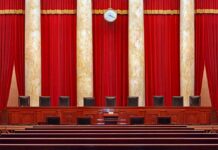
A federal court in Rhode Island ruled that the revised funding notice released in late 2025 broke the rules, and it ordered Housing and Urban Development to return to the prior, Biden-era notice while the case continues. The ruling paused the department’s attempt to redirect money and tighten accountability standards this cycle. The department has since moved to appeal, seeking authority to press ahead with its plan during the grant process.
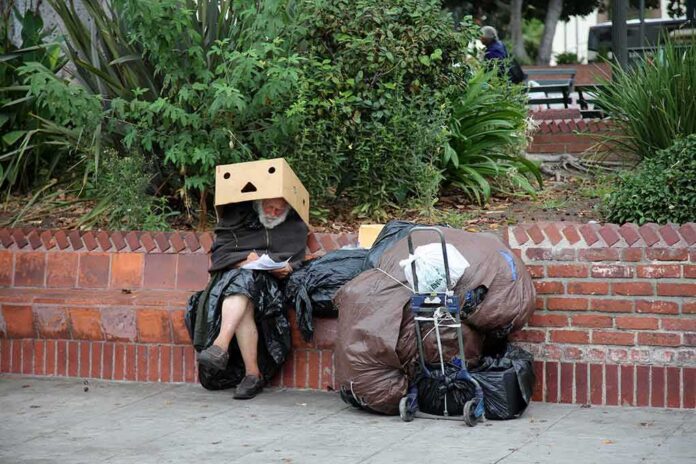
Advocacy groups warn the new rules could strip support from people already in permanent housing and risk closing projects. The Center on Budget and Policy Priorities says the policy could remove help from one hundred thousand or more people and push communities to punish outdoor sleeping. These groups argue that permanent housing with flexible services remains the best use of federal funds based on past research, and they want the court to keep the old rules in place.
Why Accountability And Local Results Drive The Reversal
Taxpayers expect federal dollars to reduce visible homelessness and improve public safety. Housing and Urban Development officials argue the research that shows high housing retention does not prove whole-community reductions, which is the outcome families demand. The department’s public materials stress this point, noting studies often track program retention instead of a city’s total homelessness over time. That distinction explains the Trump administration’s push to favor measurable community results in grants.
Congressional researchers say the nation measures homelessness through two main counts: a single-night point-in-time snapshot and an annual estimate across a year. These measures help test whether new funding rules actually cut homelessness where people live. By aligning grants to local reductions, the administration aims to reward communities that deliver safer streets, cleaner public spaces, and pathways to recovery. That shift, now tied up in court, is central to restoring order and trust.
What To Watch Next
The appeal now decides whether Housing and Urban Development can apply its new notice while lawsuits proceed. If the injunction stands, the department must operate under the old framework for this cycle. If the appeal succeeds, the new scoring and priorities will take effect, and communities will compete on results. Either way, the 2013 baseline, the federal measures of homelessness, and the next grant awards will show whether policies match real-world progress.
Readers should expect more filings from both sides and more claims from advocacy groups. But the key test remains simple: do communities reduce overall homelessness with federal funds, and do they protect public safety and human dignity at the same time? That is the goal President Trump’s team says it is chasing, and it is the outcome Americans deserve from every tax dollar spent.
Sources:
foxnews.com, hud.gov, congress.gov, cbpp.org, endhomelessness.org