
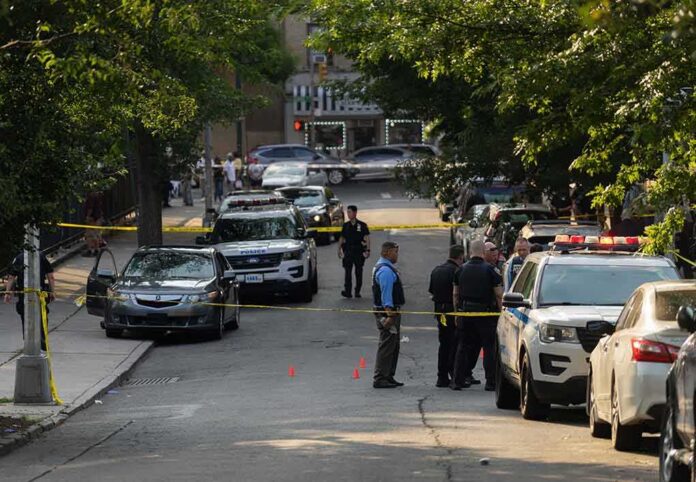
Nine people were shot during Raleigh’s July 4 “teen takeover,” and city leaders now want a youth curfew to stop it.
Story Highlights
- Mayor Janet Cowell said a curfew for ages 17 and under is under review after the shootings.
- Police linked three shootings across Brier Creek, Glenwood South, and Capital Boulevard to the teen gatherings, with nine victims confirmed.
- Research shows curfew results are mixed, and some national reviews find little crime reduction.
- Raleigh Police rolled out a summer plan that targets violent offenders and expands youth programs.
Mayor Confirms Curfew Under Consideration After Holiday Chaos
Raleigh Mayor Janet Cowell said the city may enact a youth curfew for those 17 and under after a violent July 4 weekend. Her statement followed a night of fights and gunfire that strained police across several busy areas. She praised officers and said leaders will discuss options at the next council meeting. She cited other North Carolina cities as examples and framed a curfew as one approach among many to restore order and protect families.
Raleigh police said the violence grew out of “teen takeover” crowds that swelled into the thousands. Officers reported three separate shooting scenes: Brier Creek, Glenwood South, and Capital Boulevard. Police confirmed nine people were shot in total. Those facts established a clear public safety problem that city leaders must address. The push for a curfew is now tied to that record of harm, not a theory or rumor about what happened.
Police Strategy Adds Enforcement And Youth Engagement
The Raleigh Police Department’s Summer Action Plan runs through August and focuses on violent offenders, repeat crime, and juvenile crime. The plan adds traffic and nightlife patrols and lists outreach efforts like Hoop Nights, youth camps, mentoring, and a cadet program. Leaders say the goal is to reduce crime while building trust. The plan also links to support services for those facing homelessness, mental illness, or addiction, aiming to address problems before they erupt.
City leaders will weigh how a curfew fits with that broader plan. State law allows local curfews for minors with common-sense exceptions in some places, like work travel or First Amendment activities. Supporters argue a curfew can break up large late-night gatherings that often turn violent. Critics warn that blanket restrictions can miss root causes and invite uneven enforcement. The council’s next meeting is expected to explore those trade-offs in detail.
Evidence On Curfews: Mixed Results And Real-World Risks
National research on youth curfews shows mixed results. A United States Department of Justice review notes the evidence does not prove curfews reliably cut youth crime. Some studies show small drops in certain arrests, while others show no change or even shifts in crime to other hours. A large Campbell Collaboration review concluded curfews are generally ineffective at reducing crime or victimization across cities and years.
For Raleigh, the core facts are not in dispute: nine people were shot across three locations tied to teen crowds. The debate is about the best fix. A curfew may give officers a tool to thin late-night throngs and deter opportunistic violence. But curfews alone are not a silver bullet. A practical path blends targeted enforcement against violent actors, clear parental accountability, and strong youth programs that keep teens busy and off volatile streets.
What Conservatives Should Watch As Council Acts
Parents and business owners want order restored without trampling rights. Leaders should set any curfew with tight hours, clear exceptions for work, worship, and speech, and a focus on getting kids home safe. Police should prioritize violent offenders, illegal guns, and repeat agitators, not turn curfew stops into a dragnet. The city should track outcomes and report them in public. If the tool does not reduce violence, leaders should change course fast.
Taxpayers should also expect cost and legal clarity up front. The city should publish enforcement plans, guardrails against discriminatory use, and a sunset review date. That protects liberty while addressing urgent safety needs. After a weekend where families dodged bullets, doing nothing is not an option. Acting smart, measuring results, and keeping faith with the Constitution is the way forward for a safer Raleigh this summer and beyond.
Sources:
nypost.com, wral.com, newsobserver.com, facebook.com, themarshallproject.org, juvjustice.org