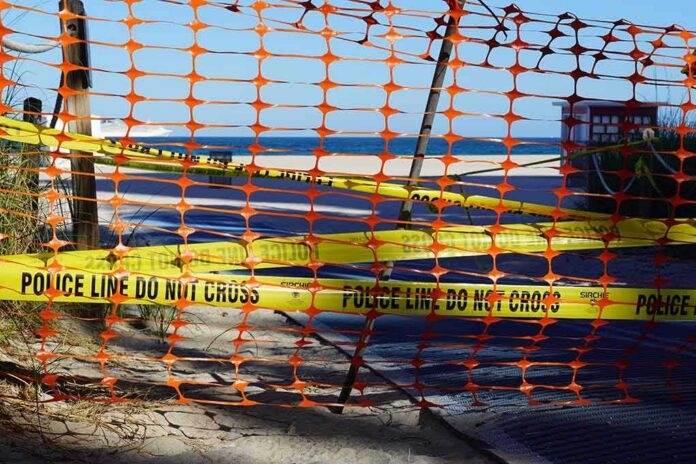
Santa Monica’s long-hyped Ocean Way Festival was canceled after Hurricane Marie’s surf chewed up the beach and made the site unsafe, city officials said.
Story Highlights
- Santa Monica and Goldenvoice canceled the Ocean Way Festival due to severe beach erosion.
- Hurricane Marie’s surf and storm-drain runoff damaged the sand over Labor Day weekend.
- Organizers plan a 2027 return and say refunds are automatic, according to local reports.
- The shutdown underscores how thin coastal margins can derail major events late in planning.
City Statement Cites Unsafe Beach Conditions After Hurricane Marie
Santa Monica officials and promoter Goldenvoice canceled the two-day Ocean Way Festival after storm surf from Hurricane Marie and runoff from a nearby storm drain eroded a large portion of the planned venue on the sand south of the pier. The city’s program page, updated September 11, stated the event will not proceed until 2027 because the site could not safely host crowds and staging after the Labor Day weekend damage. Local outlets carried the same explanation from organizers.
The festival was set for late September and had billed major acts, but the decision arrived with weeks to go. Reports said automatic refunds would go to ticket holders, and that the promoter intended to bring the event back once the beach profile recovers. The call followed a familiar playbook for coastal events: when waves eat into a narrow sand footprint, the safety margin for stages, emergency access, and crowd flow disappears overnight, leaving little room for stopgap fixes.
Late Cancellations Show How Coastal Hazards Collide With Big Crowds
Officials pointed to surf energy and stormwater outflow as the twin triggers. Runoff can scour sand near outfalls, while sustained swell can flatten berms and cut into planned walking lanes. That combination left the festival’s heavy equipment and emergency routes without stable ground. City and promoter language framed the move as a straight safety call, which tracks with how agencies handle discretionary event permits when shoreline setbacks cannot be met after a storm sequence.
Weather statements around Los Angeles County show recent high surf has also damaged other coastal access points this season, reinforcing the broader risk pattern for beach venues. When a beach narrows, crews cannot simply drop more steel and hope for the best. Load paths, cable runs, fencing, and evacuation corridors all depend on firm, dry sand. Once those elements are compromised, liability and public safety standards force a stop, even if the lineup is booked and staging is en route.
What It Means for Fans, Businesses, and Event Planning
Fans lose a rare large concert weekend on the Westside, and small businesses near the pier miss the surge in foot traffic. Vendors who planned staffing and inventory now face sunk prep costs and tight margins. Organizers are trying to blunt the hit with swift refunds and a pledge to return in 2027, but the episode is a reminder: coastal shows live and die by sand geometry and timing. A single late storm can turn months of planning into a no-go in a matter of days.
🚨 Santa Monica’s Ocean Way Festival has unfortunately been cancelled due to the impacts of Hurricane Marie 💔
Refunds are being processed automatically and no further action is required. Please allow a few business days for the refund to appear in your account. pic.twitter.com/V7U0JLjRB9
— Olivia Dean Source (@liviadeansource) September 11, 2026
Going forward, promoters may push for wider contingency windows, backup inland sites, or earlier go/no-go triggers when long-period swells are forecast. Cities may tighten permit language for emergency access and equipment loads on sand, and require more conservative setbacks from storm drain outfalls. Those steps protect public safety and property, and they respect the reality on the ground: the ocean gets the last word. For now, Ocean Way pauses, and beach lovers wait for the sand to rebuild.
Sources:
nypost.com, timeout.com, santamonicasun.com, cbsnews.com