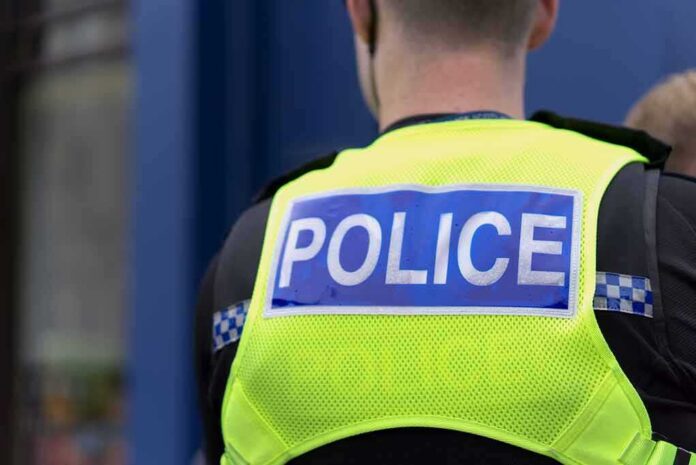
Years of anti-police rhetoric met real-world tests, and the facts show safe communities still rely on officers who enforce the law and earn trust through fair treatment.
Story Highlights
- Research defines the police mission as protecting public safety by upholding the law.
- Studies link respectful, fair policing to higher public cooperation and safer streets.
- Trust has slipped in some places, but it can be rebuilt with clear standards and transparency.
- Claims of bias require careful data review and independent analysis to guide fixes.
What Policing Is For: Safety, Order, and the Rule of Law
Independent reviews state the core job of police is to protect public safety by keeping order and upholding the law. That mission lets families go about daily life without fear. It is not an abstract idea; it is the ground rule for every city and town. When officers enforce the law within clear bounds, they provide the safety net that communities expect and pay for. That is why serious policy must start from what police are actually tasked to do.
President Trump’s administration has pressed a law-and-order focus, but results still depend on local street encounters. Officers face split-second choices, complex calls, and rising public demands. The research record shows that a department’s culture and field practices shape how people judge those moments. When people see police acting lawfully and fairly, they accept outcomes more, even when those outcomes are tough. That is how order supports liberty, not the other way around.
Trust Is Not Talk: How Fair Treatment Drives Compliance
Peer-reviewed studies find a simple truth: people are more likely to obey the law and help police when they feel respected and heard. Treating people with dignity, explaining decisions, and applying rules evenly boost cooperation. This is called procedural justice in the research world, and it works across different communities. The effect shows up in crime reporting, witness help, and day-to-day compliance. Safer streets follow when officers match firm enforcement with visible fairness.
Government and think tank reviews echo the same pattern. Trust and confidence rise when departments set standards, share data, and show how they correct problems. That does not mean softer policing. It means cleaner lines, steadier leadership, and fewer gray areas that confuse both citizens and officers. Strong policy, clear training, and open reporting reduce friction and improve outcomes without handcuffing good cops who do the job right the first time.
The Legitimacy Gap: Where Confidence Fell and How to Fix It
Some surveys report drops in public confidence after high-profile failures. Those dips matter because cooperation fuels crime control. People need to believe police will act lawfully and effectively when they call for help. The fix is not to defund or disable police. The fix is to tighten standards, back accountable officers, and remove those who will not follow the rules. Transparent communication and steady engagement help close that gap over time.
Conservatives know order is the first freedom. Families cannot thrive when shops get looted, cars get stolen, and violent offenders cycle back to the block. Real reform should guard both safety and rights. That means body cameras, clear use-of-force policy, strong supervision, and due process for officers and citizens alike. These tools protect the honest majority of cops, and they give the public confidence that the bad few will not set the tone for the badge.
Sorting Claims of Bias: Data, Due Process, and Real Remedies
Critics point to research that finds racial disparities in stops and traffic enforcement. Those findings deserve review and, where confirmed, fixes. Official guidance urges agencies to use independent researchers to analyze data and flag patterns. That approach respects civil rights and supports good policing. It avoids trial-by-viral-video and grounds change in facts, not slogans. Data-driven corrections beat blanket smears that demoralize rank-and-file cops and weaken safety for everyone.
Here is the bottom line for readers who back the rule of law. Police are our neighbors doing a hard job. Their mission is public safety, and the research shows respect, fairness, and clear rules make them more effective. Washington can set a tone, and President Trump has, but local leaders must carry it out with real standards and transparency. Back good cops, fix what is broken with facts, and never surrender streets to chaos or to politicized agendas.
Sources:
assets-hmicfrs.justiceinspectorates.gov.uk, nationalacademies.org, onlinelibrary.wiley.com, journal.unnes.ac.id, post.parliament.uk, tandfonline.com, publicsafety.gc.ca, pbs.org