
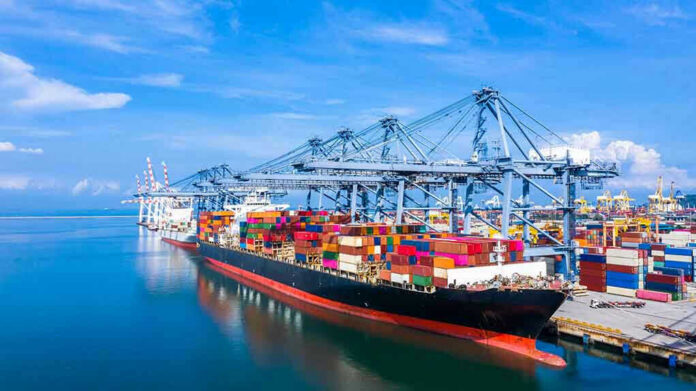
New Jersey’s Democratic governor ordered ports to reject licensed Russian diesel, setting up a direct clash over federal law and America’s energy security.
Story Snapshot
- New Jersey’s governor warned terminals to turn away Russian diesel despite a federal license authorizing such imports through 2027.
- Congress’s 2022 law bans Russian energy imports unless strict conditions are met, fueling a legal showdown over who has authority.
- The Treasury Department’s Office of Foreign Assets Control issued General License 135 to allow Russian-origin diesel transactions, including U.S. imports.
- The governor threatened “harsh penalties” for operators, but the state’s precise enforcement tools at federally regulated ports remain unclear.
Governor’s Warning Collides With Federal License
Governor Mikie Sherrill sent a letter on November 2 telling New Jersey port and terminal operators to refuse Russian-origin diesel and promising to use every state “legal and regulatory tool” to stop it. The warning came as reports said multiple Russian diesel tankers were headed for the United States, with at least one possibly bound for the New Jersey coast. The notice put private operators on alert and raised immediate questions about state power over federally regulated maritime trade.
The Treasury Department’s Office of Foreign Assets Control (OFAC) had already issued General License 135 on October 9. That license authorizes transactions related to the sale, delivery, offloading, and importation of Russian-origin diesel, including importation into the United States, through April 7, 2027. The license aimed to expand diesel supply during a tight market. The governor’s directive, however, called those shipments illegal and threatened penalties for companies that accept them.
The Law At Issue: Congress Versus Licensing
Congress passed the Ending Importation of Russian Oil Act in 2022 with overwhelming bipartisan votes. The law bans Russian energy products listed under Chapter 27 of the U.S. tariff schedule, which includes diesel. It also sets strict conditions for ending the ban, such as Russia withdrawing forces and ending hostilities, plus required certifications to Congress and a waiting period. Supporters say these guardrails prevent a simple executive waiver and keep control with elected lawmakers.
OFAC’s General License 135 sits in the middle of this fight. The license states that transactions otherwise banned by Russia sanctions rules are authorized when tied to Russian-origin diesel, including U.S. imports, through early 2027. Legal analysts describe it as a temporary allowance within sanctions administration, but it does not itself answer whether it can override a congressional import ban with statutory end conditions. That unresolved question fuels the current standoff between Trenton and Washington.
Energy Stakes And Port Authority Limits
President Trump framed the diesel arrangement as a way to boost supply and help lower prices for Americans and global consumers. Reports attribute more than 300,000 tons released to markets, with additional volumes planned. The governor’s move challenges that supply increase at a key East Coast fuel hub. Yet public reports do not confirm a specific tanker booking at a New Jersey terminal, leaving the near-term local impact uncertain. Operators now face mixed signals over cargo they might not even receive.
The governor warned of “harsh penalties,” including civil and criminal exposure for accepting or offloading Russian diesel. But reporting has not detailed which state statutes or permits would let New Jersey block a federally licensed shipment at a private terminal. Maritime and port safety are heavily federal. Without a clear state mechanism, operators must weigh the governor’s threat against federal preemption risks and the express federal license on the table.
What Conservatives Should Watch Next
Conservatives should track three things closely. First, whether the administration or Congress files the certifications required to lift the 2022 import ban, or if courts review whether General License 135 can stand without them. Second, whether any tanker actually nominates a New Jersey terminal, files customs entries, and receives Coast Guard clearance, which would test state pushback in real time. Third, whether Trenton identifies concrete, lawful tools to halt cargo at a port that follows federal rules.
Nearly 40,000 t of Russian diesel on the Agioi Fanendes lists New York-New Jersey for Nov 7 under OFAC licence GL 135. New Jersey told a dozen port operators to refuse it, citing the 2022 import ban. Sanctions policy now meets a state chokepoint: the terminal.
— Sergei Mochtchenkov (@geostrategist85) November 3, 2026
This conflict is bigger than one shipment. It is about who sets energy policy when families face high fuel costs. Congress wrote a tough ban. The executive branch issued a license to ease supply. A state governor now threatens to punish licensed commerce. Readers who value limited government and clear rules should demand transparency: show the certifications or defend the license in court, publish the legal basis for any state action, and keep fuel flowing under the law and the Constitution.
Sources:
zerohedge.com, cbsnews.com, fox21online.com, inquirer.com, maritime-executive.com, ttnews.com