
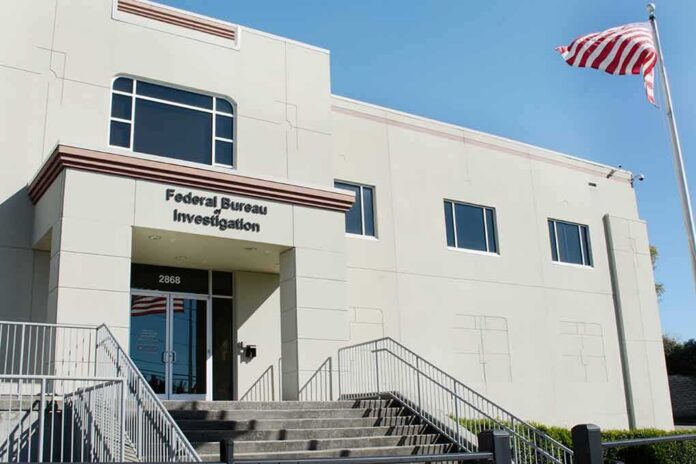
The Federal Bureau of Investigation (FBI) reports a historic 9.3% drop in violent crime in 2025, with murders down 18.1% and the national murder rate tied for the lowest since the 1950s.
Story Highlights
- FBI says violent crime fell 9.3% from 2024 to 2025, the largest year-over-year decline on record.
- Murder and non-negligent manslaughter fell 18.1%; robbery fell 18.5%; aggravated assault fell 7.2%.
- The 2025 murder rate was 4.1 per 100,000, tied with 1955 and 1956 for the lowest rate recorded.
- Major outlets reported the same FBI figures, and participation covered most agencies nationwide.
FBI Data Shows Historic Drop in Violent Crime for 2025
The FBI’s final 2025 report shows violent crime fell 9.3% nationwide compared with 2024, marking the largest recorded single-year decline in the bureau’s estimates. The same report says murder and non-negligent manslaughter dropped 18.1%, robbery fell 18.5%, and aggravated assault fell 7.2%. These are national estimates based on the FBI’s uniform crime reporting system. The FBI’s May preview signaled the same direction, and the August release affirmed the trend with final figures.
The FBI also reports the 2025 murder rate was 4.1 per 100,000 people, tying 1955 and 1956 for the lowest rate in the modern record. That benchmark places today’s rate alongside the safest years of the mid-twentieth century. The bureau’s findings were widely reported by major newsrooms. Coverage by national outlets echoed the same core numbers on the decline in violent crime and homicides, reinforcing the scale of the improvement.
Scope of Reporting and How the Estimates Were Built
ABC News reported the FBI’s estimates were built from data provided by more than 17,000 law enforcement agencies, covering more than 87% of agencies in the FBI’s program and serving communities across almost the entire U.S. population. The FBI’s program includes methods to estimate missing months when an agency does not submit a full year, which helps create a national estimate from partial inputs. That approach allows broad national coverage, even if some agencies are late or incomplete in reporting.
The FBI flagged the May figures as preliminary and later issued the final 2025 report in August, which locked in the major findings. The final report, paired with open media coverage, limits confusion about the direction of the trend. The participation rate and the imputation procedures have long been part of the FBI’s process, and they support year-to-year comparisons at the national level. These methods are standard and publicly described in FBI methodology documents.
Category Breakdowns: Where the Biggest Gains Occurred
Murder and non-negligent manslaughter dropped the most, falling 18.1% year-over-year, while robbery fell 18.5% and aggravated assault fell 7.2%. Those declines suggest fewer deadly encounters and fewer street-level thefts by force. The combination of lower homicide and lower robbery points to less lethal violence and less predatory offending. Aggravated assault remains a large share of violent crime, so the 7.2% fall is notable in absolute terms. Together, these moves drove the overall 9.3% decline.
The 4.1 per 100,000 murder rate places 2025 shoulder-to-shoulder with 1955 and 1956, when the country was smaller and far less urbanized. Achieving that rate today is a major public safety milestone. It reflects work by federal, state, and local partners, from tougher targeting of repeat offenders to better coordination on illegal guns. It also tracks with other signs of improvement reported by national media covering the FBI release, which highlighted the scale and rarity of such a sharp drop.
What This Means for Families, Cities, and Policy
Safer streets make it easier for families to live, work, and worship without fear. Lower homicide means fewer shattered homes and fewer children losing parents. Fewer robberies protect small businesses and commuters. The 2025 results signal that focused enforcement, community support, and clear consequences can work together. When law and order are priorities, crime recedes and communities gain breathing room to rebuild. The data show progress that many citizens have demanded for years.
Policymakers should press the advantage. Leaders should keep pressure on violent offenders, back the police, and reject soft-on-crime experiments that failed. Courts and prosecutors should keep cases moving and enforce sentences. Congress and states should fund tools that help officers and protect victims. The FBI’s measured declines, verified in the final 2025 report, show a safer path forward if we stay focused on public safety and individual accountability.
How to Read the Numbers Without Spin
The FBI’s estimates cover most agencies and use standard methods to fill gaps, which is how national crime statistics have long been built. Major outlets reported the same core figures, which supports the reliability of the top-line trend. Local experiences will vary, and some cities may face stubborn hot spots. But the national picture is clear: violent crime fell sharply in 2025, murders fell even more, and the murder rate matched the lowest level seen in the 1950s.
Sources:
pjmedia.com, fbi.gov, cbsnews.com, abcnews.com