
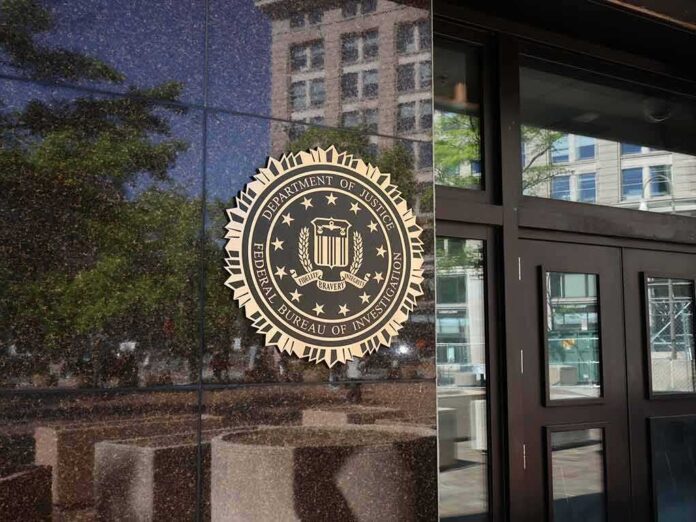
The family of Jimmy Hoffa is demanding that the Federal Bureau of Investigation (FBI) finally name the people it believes killed him and keep the case fully open until that happens.
Story Snapshot
- Hoffa’s son and sister want the FBI to keep the 1975 disappearance case active and publicly identify the suspects tied to his killing.
- The FBI still considers the Hoffa investigation an open case and says it remains committed to following credible leads.
- An internal FBI memo from 1976 listed a dozen organized crime figures as suspects, but the bureau has never formally “named names” to the public.
- The Trump administration has already ordered a broad search for Hoffa-related documents, putting new pressure on the FBI to come clean.
Hoffa family presses FBI Director Kash Patel for answers
Jimmy Hoffa’s family is once again pushing for truth, this time directly at FBI Director Kash Patel. As the 51st anniversary of Hoffa’s disappearance approaches, his son James and sister Barbara Crancer are urging Patel to keep the missing person case formally open and to release all possible information about who killed the former Teamsters boss. They argue that Americans deserve to know which organized crime figures were involved, even if those suspects are long dead, so history records their guilt.
The family’s demand focuses on two clear steps: maintain an active investigation status and publicly identify the suspects the FBI has long believed were responsible. They say real closure cannot come from another quiet memo or off‑the‑record briefing. They want the government to stop hiding behind procedure and finally “name names” based on evidence gathered over five decades. For many conservatives, this echoes a wider call for transparency from powerful agencies that have often shielded their own decisions from public view.
An open case with secret suspects
The FBI officially still considers the Hoffa case open, even after fifty years of failed searches and dead ends. The Detroit Field Office recently said the bureau “remains committed to following all credible leads” and asked the public for tips, confirming the investigation is active. That status matters, because as long as the case is “open,” the FBI routinely uses that label to justify keeping key records and suspect assessments under wraps instead of releasing them.
Yet a major internal document, known as the HOFFEX memo, was prepared for FBI leadership in January 1976, just months after Hoffa vanished. That memo concluded Hoffa was murdered at the orders of organized crime figures who saw his bid to regain power in the Teamsters as a threat to their control of the union’s pension fund. The memo openly named twelve suspects, including Salvatore “Sally Bugs” Briguglio, Thomas and Stephen Andretta, Anthony “Tony Pro” Provenzano, Anthony “Tony Jack” Giacalone, Frank Sheeran, and Charles “Chuckie” O’Brien. Most of those men are now dead, but the FBI has never formally presented that list to the public as its official view of who killed Hoffa.
Trump-era push for records and constitutional accountability
The Hoffa family’s plea fits with a wider push under President Trump to force federal agencies to stop hiding key records from the public. Years earlier, the family asked Trump to order the release of long‑sealed FBI Hoffa files so Americans could finally see what investigators believed happened and what they chose not to share. Members of Congress also filed a formal request to make those files public, arguing that keeping them secret for half a century undermines trust in government and blocks honest historical review. This pressure reflects a core conservative concern: unelected bureaucrats should not control the narrative of major national events from behind closed doors.
That pressure reached inside the FBI when the Trump White House directed bureau employees to search their workspaces and electronic devices for any Hoffa‑related material. According to law enforcement sources, staff were told to locate and preserve records tied to the disappearance, signaling that political leadership wanted a full picture of what the FBI knows. For many on the right, this kind of top‑down push is necessary to break through decades of institutional resistance and force real accountability from agencies that often answer only to themselves.
Cold case standards and what “naming names” would mean
Cold case experts say many families in high‑profile unsolved crimes now seek narrative closure when criminal charges are no longer possible. In those situations, the goal is not a jury trial but a clear public record of who likely did what, based on the best available evidence. Best‑practice guides for cold case work urge agencies to include victim advocates in their process and to communicate openly with families once a realistic chance of prosecution has passed. The Hoffa family’s request fits that model: they want the FBI to explain its findings plainly and place responsibility where the evidence points.
Publicly naming suspects in the Hoffa case would not jail anyone at this point, but it would send a strong message about truth and justice. It would confirm that organized crime figures used union power and violence to crush a political rival and that the federal government finally chose transparency over secrecy. For conservatives, it would also mark a rare victory over the “deep file” culture inside Washington, where critical records sit in vaults while ordinary citizens are told to simply trust the system. The Hoffa family is saying, clearly, that trust must be earned, and the first step is to tell the American people the full story.
Sources:
facebook.com, foxnews.com, heraldnet.com, time.com, newser.com, anomalydesk.com, hourdetroit.com, hls.harvard.edu, policechiefmagazine.org