A new threat from Iran’s military has heightened tensions, as President Trump’s warnings against violence on protesters escalate into a potential confrontation.
Story Snapshot
- Iran’s military leader threatens preemptive action in response to U.S. rhetoric.
- Protests in Iran continue amid severe economic turmoil and repression.
- A U.S. operation in Venezuela heightens Iranian fears of regime-targeting.
- Iran’s readiness for conflict emphasized by its new army chief.
Preemptive Threat from Iran’s Military
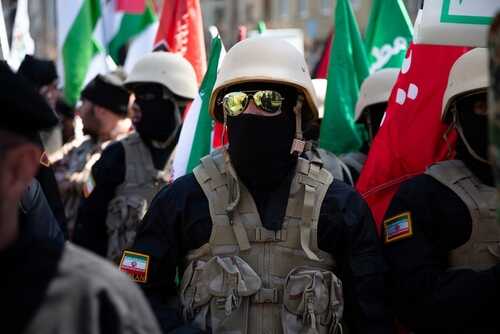
In a bold and alarming move, Iran’s army chief, Maj. Gen. Amir Hatami, has threatened preemptive military action against perceived U.S. threats. This development follows President Trump’s stern warning that the U.S. is “locked and loaded” to respond if Iranian authorities violently suppress ongoing protests. The statement from Hatami comes amid more than a week of intense protests in Iran, fueled by economic hardships and public discontent.
Hatami’s rhetoric marks a significant escalation, as he vowed to “cut off the hand of any aggressor,” highlighting Iran’s view of U.S. statements as direct threats. This rhetoric not only intensifies the existing tensions but also raises fears of a miscalculation that could lead to conflict. The situation is further complicated by the U.S. operation in Venezuela, which resulted in the capture of Nicolás Maduro, a key ally of Iran, leaving Tehran on edge about its own security.
Economic Crisis and Domestic Unrest
The protests in Iran, sparked by economic distress, have seen widespread participation across major cities. The government’s decision to end a preferential exchange rate, leading to sharp price hikes for essentials, has exacerbated public anger. Reports indicate that security forces have used lethal force against demonstrators, with dozens reported killed. The Iranian government, framing the unrest as externally influenced, has been cracking down harshly on protesters.
The economic crisis has been described as a “full-fledged economic war” by Iranian vice president Mohammad Jafar Ghaempanah, pointing to sanctions and internal mismanagement as key contributors. The protests represent not only immediate economic grievances but also long-standing dissatisfaction with governance and international isolation.
Trump’s Response and International Implications
President Trump has reiterated his position, making it clear that any harm to protesters by Iranian forces will meet with a severe U.S. response. His statements have elevated the domestic issue in Iran to an international confrontation, drawing attention to the potential for U.S. military intervention. This has put pressure on Iran’s leadership, as they navigate internal unrest and external threats.
Iranian military leader issues major threat after Trump's warning https://t.co/11PKbUeMWt pic.twitter.com/WpoSru77lP
— American Military News (@AmerMilNews) January 8, 2026
The capture of Maduro has added to Iran’s concerns about U.S. intentions, as it underscores Washington’s willingness to engage in regime-targeting operations. This context has intensified Iran’s defensive posture, with Hatami’s speech serving as a warning to potential aggressors. However, reports suggest no large-scale Iranian military mobilization following Hatami’s remarks, indicating a complex and tense strategic calculus at play.
Sources:
Fox News: Iranian military leader threatens preemptive attack after Trump comments
LA Times: Iran on Edge as Trump Threatens Action Following Venezuela Operation Amid Protests