
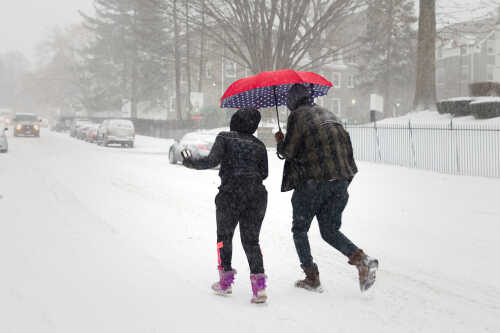
A massive winter storm threatens catastrophic infrastructure damage across multiple states this weekend, with ice accumulations so severe they could leave millions of Americans without power for days in the dangerous Arctic cold.
Story Snapshot
- Over 8 inches of snow forecast from Oklahoma through the Virginias, with up to 1 inch of catastrophic ice accumulation in Mississippi and Alabama
- Multiple state governors have issued emergency declarations as the storm threatens areas from Texas to the Mid-Atlantic through Monday morning
- Wind chills plummeting to -50°F in northern Plains, with below-zero temperatures extending into southern states during prolonged power outages
- National Weather Service warns of extensive tree damage, impassable roads, and potential long-duration electricity loss affecting critical heating systems
Catastrophic Ice Threatens Power Grid Infrastructure
The National Weather Service issued urgent warnings about devastating ice accumulations exceeding 0.5 inches across a vast region from eastern Texas to western North Carolina. Northern Mississippi and northwestern Alabama face particularly dire conditions, with forecasters predicting up to 1 inch of ice accumulation. This level of ice adds more than 200 pounds of weight to a single 1-inch-thick power line, causing severe sagging and widespread outages. The agency emphasized that such accumulations make long-duration power failures not just possible but likely, creating dangerous conditions for families dependent on electricity for heating during extreme cold.
Arctic Blast Compounds Emergency Across Southern States
Arctic high pressure is simultaneously driving dangerous cold southward across the United States, creating a dual threat that multiplies the storm’s danger. Wind chills are forecast to plummet to -50°F across the northern Plains, with below-zero readings extending as far south as the southern Plains. This extreme cold transforms power outages from inconveniences into life-threatening emergencies, particularly for vulnerable populations including elderly residents, families with young children, and individuals dependent on medical equipment requiring electricity. The combination of catastrophic ice damage and Arctic temperatures presents challenges rarely seen in southern states unprepared for such severe winter conditions.
Multi-State Emergency Declarations Mobilize Response
Multiple state governors across the affected region issued emergency declarations as the storm system moved from the Rockies toward the deep South. The declarations enable states to mobilize resources, activate emergency operations centers, and coordinate with federal agencies ahead of the weekend’s most severe impacts. Residents across Texas, Oklahoma, Arkansas, Missouri, Illinois, Kentucky, Tennessee, the Virginias, Mississippi, Alabama, North Carolina, and the Mid-Atlantic region are urged to prepare for extremely dangerous or impassable travel conditions. Emergency management officials emphasize that preparations must be completed before Friday night when conditions deteriorate rapidly.
Pacific Moisture Fuels Unprecedented Winter System
The storm originated in the Pacific Ocean, carrying substantial moisture that intensifies as the system tracks toward the Gulf of Mexico. A complex atmospheric pattern drives the event, with a primary low-pressure system moving east over the Appalachians while a secondary low develops off the southeastern United States. This configuration creates optimal conditions for multiple precipitation types including heavy snow, sleet, and freezing rain across different elevations and latitudes. More than 8 inches of snow is expected from Oklahoma through Arkansas, Missouri, Illinois, Kentucky, Tennessee, and into the Virginias, while ice accumulations threaten critical infrastructure across the South and Mid-Atlantic regions through early Monday morning.
Global model ensembles, especially the EPS & GEFS, have been raising snowfall totals for Central Oklahoma during the duration of this winter storm.
Some CAM models are beginning to show higher probabilties of snow tomorrow, rather than mixed precip. It remains to be seen. #okwx pic.twitter.com/RJ6E99uePa
— Brody Cowing (@Brody_wx) January 23, 2026
Transportation Networks Face Weekend Paralysis
Transportation departments and highway authorities across affected states warn that travel will become extremely dangerous or completely impossible as ice coats roadways and freezing rain continues throughout the weekend. The storm’s timing maximizes disruption, striking during what would normally be high-volume weekend travel periods. Supply chains face significant interruptions as trucking operations shut down across major interstate corridors. Emergency services and first responders anticipate increased demands precisely when response capabilities become limited by hazardous road conditions. Authorities strongly urge residents to avoid all unnecessary travel and to stock adequate supplies including food, water, medications, and alternative heating sources before conditions deteriorate Friday night.
Sources:
Major Winter Storm Set to Impact Large Swath of the U.S. – EarthSky
January 23-26, 2026 North American Winter Storm – Wikipedia