
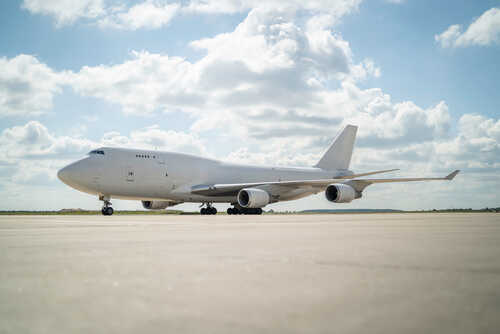
The Boeing 747 made history by revolutionizing air travel, making long-distance flights accessible to the masses. But how did this marvel of engineering both shape and reflect the tumultuous era of its birth?
At a Glance
- The Boeing 747’s first test flight on February 9, 1969, ushered in the era of mass long-haul air travel.
- The “jumbo jet” debuted amidst the deep social and political upheavals of the late 1960s, including the Vietnam War and Woodstock.
- The 747 is now being retired from passenger fleets, succeeded by more fuel-efficient, twin-engine aircraft.
- The aircraft stands as a symbol of an era defined by both technological optimism and cultural revolution.
The Jumbo Jet That Shrank the World
The late 1960s were a time of immense turmoil in the U.S., but they were also a time of incredible technological achievement. Against this backdrop, the Boeing 747 took to the skies for its first test flight on February 9, 1969. The “jumbo jet,” with its distinctive hump and massive size, dramatically altered the dynamics of aviation.
Before the 747, international air travel was a luxury reserved for the wealthy. With its ability to carry more than double the passengers of previous jets, the 747 made flying across oceans affordable for the middle class for the first time. It didn’t just change travel; it democratized it, making far-flung destinations accessible to millions and ushering in the modern age of global tourism.
A World Coming Together, A Nation Coming Apart
The debut of the 747 presented a powerful paradox. As this marvel of American engineering was making the world smaller and more connected, the United States itself felt like it was coming apart at the seams. While the 747 represented technological optimism, the nation was gripped by a painful and divisive war in Vietnam.
Just six months after the 747’s first flight, over 400,000 young people gathered at Woodstock in a massive display of the anti-war counterculture. The year also saw the release of The Beatles’ revolutionary album Abbey Road and the beginning of Richard Nixon’s presidency. The 747 was a symbol of unity and progress in an era defined by conflict and division.
The End of an Era: The 747’s Final Bow
For over 50 years, the 747 was the undisputed “Queen of the Skies.” Its four engines and massive frame made it an icon of aviation. But in recent years, practicality has eclipsed nostalgia. More fuel-efficient, twin-engine jets like the Boeing 777 and the Airbus A350 have made the four-engine jumbo jet obsolete for passenger travel.
Let's settle this: why is the Boeing 747 commonly referred to as the 'Queen of the Skies'?" pic.twitter.com/7UypLpEMEb
— Turbine Traveller (@Turbinetraveler) July 19, 2025
In January 2023, the final 747 rolled off the assembly line in Everett, Washington, and major airlines have been phasing the jet out of their fleets. While its charm lingers, the 747’s retirement marks the end of an era. It remains a powerful symbol of a time when American ingenuity soared, even as the nation below was navigating one of its most turbulent decades.