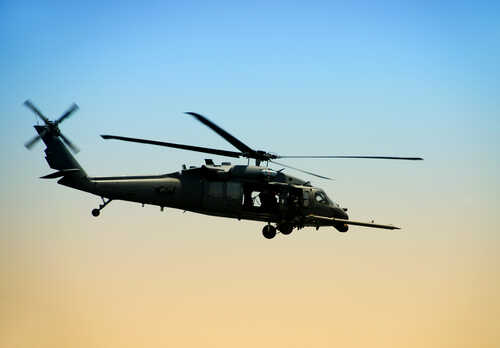
A U.S. Army helicopter crash near Joint Base Lewis-McChord raises urgent questions about military readiness, safety standards, and the rare but real risks faced by America’s service members during non-combat operations.
Story Snapshot
- No fatalities reported after a U.S. Army helicopter crashed during a routine training mission near JBLM on September 17, 2025.
- Swift, coordinated response from both military and civilian agencies helped secure the scene and transport pilots for medical evaluation.
- The crash is under investigation, with specialized military teams dispatched and the cause still undetermined.
- Such incidents remain rare, but highlight ongoing concerns about operational safety and transparency in military training.
Military Training Risks and Rapid Emergency Response
On the evening of September 17, 2025, a U.S. Army helicopter from Joint Base Lewis-McChord crashed in a rural area near Summit Lake, about 35 miles west of the base. The incident unfolded during a routine training exercise, not a combat mission, emphasizing that even peacetime operations carry risks for America’s military personnel. Emergency responders from the Thurston County Sheriff’s Department and Olympia area firefighters worked alongside military teams to locate the crash site quickly, responding to initial reports of an explosion. The pilots were transported to Madigan Army Medical Center, and—most notably—no fatalities have been reported despite the severity of the crash. This rare outcome stands in sharp contrast to the last major incident at JBLM in 2011, which tragically resulted in loss of life.
The rapid, coordinated response to the crash demonstrates the effectiveness of joint military-civilian action in protecting lives and securing communities near key defense installations. While the cause of the crash remains unknown, officials moved swiftly to secure the site and begin a formal investigation, with a specialized team from the Combat Readiness Center at Fort Novosel, Alabama, now leading efforts to determine what went wrong. Community concerns have been acknowledged by the base’s public affairs office, which has provided ongoing updates and emphasized the rarity of such incidents. Weather conditions at the time were favorable, ruling out environmental factors as a likely cause and focusing attention on mechanical or procedural issues.
Stakeholder Roles and the Ongoing Investigation
Responsibility for the aircraft and training falls to the 16th Combat Aviation Brigade, an elite unit operating out of JBLM and charged with maintaining high standards of operational readiness. The Thurston County Sheriff’s Department provided the first civilian response, highlighting the crucial support local agencies offer in emergencies that occur off-base. Medical personnel at Madigan Army Medical Center ensured prompt evaluation of all involved crew. The investigation is led by military authorities, reflecting the strict protocols that govern aviation safety in the armed forces. Civilian agencies continue to coordinate with the Army, underscoring the importance of transparency and public trust whenever an incident affects nearby communities.
Decision-makers including JBLM’s public affairs officer, commanders of the 16th Combat Aviation Brigade, and local law enforcement leadership are all engaged in managing the response and investigation. This multi-agency approach is crucial for maintaining order, ensuring accurate information, and addressing both operational and public safety concerns.
Short- and Long-Term Implications for Military Readiness and Community Trust
While no fatalities have been reported, the incident disrupts normal training operations and has prompted heightened safety reviews at JBLM. For military families and local residents, the crash raises anxiety and reinforces the ever-present risks associated with aviation training—even in peacetime. Although direct economic impact appears minimal, the broader social and political ramifications could be significant if the investigation uncovers systemic issues or procedural lapses.
Over the long term, the crash may lead to updates in training protocols, further investment in aviation safety, and a renewed focus on risk mitigation at military installations nationwide. The rarity of such incidents at JBLM should not obscure the need for ongoing vigilance and accountability. As the investigation proceeds, continued transparency and adherence to strict safety standards will be vital in maintaining the confidence of both military families and the American public.
4 service members aboard helicopter that crashed in Washington state https://t.co/hX4an8YHM1
— Rick Lasnier (@RickLasnier) September 19, 2025
Industry experts and military analysts agree that while rigorous safety protocols exist, incidents like this must always prompt thorough reviews and, if necessary, procedural reforms. With details about the cause and number of personnel involved still pending, the investigation’s findings will be closely scrutinized by both defense professionals and community stakeholders who expect the highest standards of safety and preparedness from America’s armed forces.
Sources:
U.S. Army helicopter from Joint Base Lewis-McChord crashes in Washington state
Helicopter crash Joint Base Lewis-McChord
Military helicopter crash Washington Lewis-McChord
U.S. Army helicopter from Joint Base Lewis-McChord crashes in Washington state
Helicopter crashes near Joint Base Lewis-McChord no word on those aboard
Joint Base Lewis-McChord tries for better community relations over helicopter flights
Helicopter crashes near Joint Base Lewis-McChord in Washington state