Trump Declares D.C. a ‘Crime Free Zone’A federal crackdown in Washington, D.C. raises concerns over the erosion of local autonomy and civil liberties.
Story Highlights
- Trump administration declares D.C. a “crime free zone” following federal intervention.
- Deployment of National Guard, FBI, and ICE raises questions on federal overreach.
- Over 1,669 arrests and 168 illegal guns seized during the crackdown.
- D.C. crime reports contradict the claim of a “crime free zone.”
Federal Intervention Sparks Debate
On August 11, 2025, President Donald Trump announced a federal crime crackdown in Washington, D.C., citing emergency authority under the Home Rule Act. According to The Washington Post, legal experts such as Georgetown Law professor Rosa Brooks noted that the Home Rule Act does not explicitly grant the president unilateral control over the D.C. police, raising constitutional questions. The unprecedented intervention saw the deployment of National Guard troops, FBI, and ICE agents, effectively taking over the D.C. police department. The Trump administration justified the move by pointing to increases in homicides and carjackings earlier in 2025, referencing Metropolitan Police Department statistics. Administration officials claimed reductions in violent incidents since the intervention, though independent analysts like Mark Kleiman, a criminal justice expert at NYU, cautioned that short-term drops are not necessarily evidence of long-term effectiveness. However, the move has been met with skepticism and concerns over federal overreach, as local authorities navigate the political tensions.
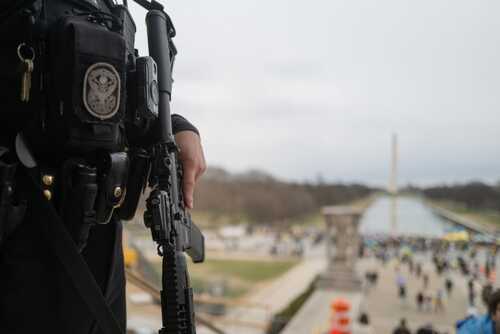
The intervention has led to a visible federal presence on D.C. streets, with National Guard and federal agents patrolling the city. Over Labor Day weekend, more than 200 arrests were made, adding to the total of 1,669 arrests and 168 guns seized since the crackdown began. Despite these figures, crime statistics from the D.C. The Metropolitan Police Department shows ongoing criminal activity, undermining the administration’s “crime free zone” claim. Critics argue that while the intervention may temporarily reduce crime, it risks undermining community trust and civil liberties.
Political and Public Safety Ramifications
The Trump administration’s decision to declare D.C. a “crime free zone” has sparked a heated debate over the role of federal intervention in local law enforcement. D.C. Mayor Muriel Bowser publicly stated, in remarks reported by NBC Washington, that her administration is “working with federal agencies where necessary” while also “protecting the city’s right to self-governance under home rule.” While some residents welcome the increased security, others express concerns about civil liberties and the potential for racial profiling. The intervention raises questions about the balance of power between federal and local authorities, as well as the future implications for governance in U.S. cities.
While the administration praises the federal crackdown as a model for restoring order, crime statistics reveal a more complex picture. Reports indicate 442 crimes, including 50 violent crimes, were committed in the past week alone. This discrepancy between federal claims and local data highlights the ongoing challenges in addressing crime while respecting local governance and civil rights. The situation underscores the need for a balanced approach that considers both public safety and the preservation of individual liberties.
Long-term Implications for Federal-Local Relations
The federal intervention in D.C. sets a significant precedent for federal involvement in local policing, raising concerns about the limits of home rule and executive authority. The episode has implications for federal-local relations, civil liberties, and the future of emergency powers in the United States. As the emergency order approaches expiration, D.C. officials continue to coordinate with federal law enforcement, while evaluating the long-term effects of the intervention on community trust and governance.
Trump declares DC a 'CRIME FREE ZONE' amid his federal crackdown https://t.co/xqrtd4q2sg #FoxNews
— Jouel (@Jouel50779032) September 1, 2025
As the Trump administration seeks to project strength and address public safety, the debate over federal intervention in D.C. remains contentious. The situation highlights the critical need for a balanced approach that respects local autonomy while ensuring public safety and upholding constitutional rights. The outcome of this intervention will likely shape future discussions on the role of federal authority in local law enforcement and the preservation of civil liberties in American cities.
Sources:
Trump Declares D.C. a ‘Crime Free Zone’
Trump Crackdown in D.C. Raises Concerns
Declaring a Crime Emergency in D.C.