
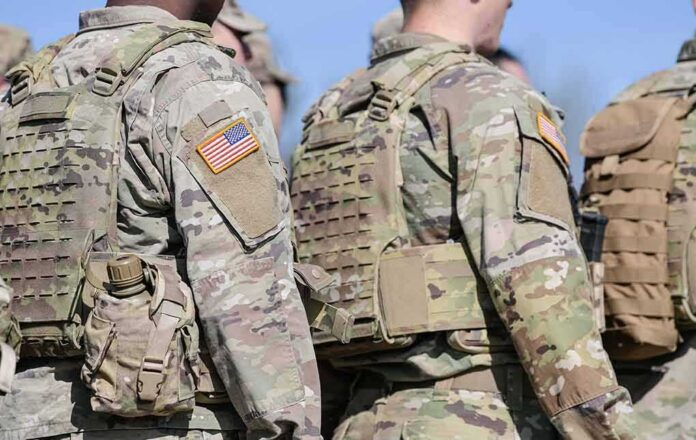
After reported Iranian threats to his life, Treasury Secretary Scott Bessent relocated from his home to a U.S. military base.
Story Highlights
- The New York Times reported Bessent moved to a military base for security after Iranian threats.
- Treasury said Bessent will not be deterred by Iran as he presses economic pressure campaigns.
- Separate reporting said U.S. intelligence warned Iranian plots had reached advanced stages.
- Other outlets repeated the relocation report, though details like base location remain undisclosed.
Confirmed Relocation Amid Reported Iranian Threats
The New York Times reported on November 10 that Treasury Secretary Scott Bessent moved out of his residence and onto a U.S. military base after threats linked to Iran, citing three people with knowledge of the matter. A Treasury spokesperson said Bessent will not be deterred by the Iranian regime’s threats and will keep driving the pressure campaign on Iran’s economy. The report said officials judged recent Iranian plotting against American officials had reached a more advanced stage, raising security urgency.
The Straits Times summarized separate Reuters reporting that a senior Trump administration intelligence official warned in late October that lethal plots by Tehran against Americans were at advanced stages. Outlets including Israel National News and others repeated the account that Bessent had relocated to a base, attributing the claim to The New York Times. The coverage did not name the base or provide the exact date of the move, in line with security practice during active threats.
Treasury’s Stance and What It Signals
Treasury’s on-record statement framed the threat as part of a larger fight with the Iranian regime over sanctions and financial pressure, and said Bessent would not back down. That posture signals continuity with President Trump’s policy to choke off terror finance and punish hostile actors that target Americans. The message is clear: protect officials first, then keep the pressure on. That approach reflects conservative priorities of strength, deterrence, and defending Americans at home and abroad.
The reported move also tracks with standard protective playbooks when credible threats arise. The United States Secret Service and partner agencies use threat assessments and layered security to shield officials, which can include temporary relocation to secure sites while investigators assess risk and intent. Government reviews have long stressed proactive steps to reduce exposure when a target faces a developing plot, even when details cannot be made public for safety reasons.
Why This Matters for Security and Policy
Iran-linked threats against American officials have persisted for years, especially against those tied to sanctions and to past actions against Iranian terror leaders. The Times report placed the new warning environment at a more advanced stage, tying it to threats that included Bessent. The government’s first duty is to protect life. Moving a Cabinet official to a base is a serious step. It shows the administration is treating the warning as real and acting to deny Iran any chance to strike.
Conservatives will see this as a test of resolve. When foreign regimes threaten U.S. leaders, the right answer is not retreat. It is stronger enforcement, tighter sanctions, and a clear message that the United States will defend its people. The administration’s stance suggests exactly that: secure the target, sustain pressure on Iran’s economy, and keep building cases that cut off money to terror networks. That is common sense national security backed by action.
Known Limits and Ongoing Protective Steps
Public reporting has not identified the specific base, the precise date of relocation, or which protective authority led the move. That is normal in an active threat posture. Security teams restrict details that could aid attackers or prompt copycats. The important facts are straightforward: The move occurred, Treasury acknowledged Iranian threats as the reason for concern, and intelligence warnings described plots at advanced stages in recent weeks. Those points justify robust protection while operations continue.
Readers should expect more visible security around key economic and national security officials while agencies track and disrupt threats. Officials can maintain normal duties even from secure locations, and Bessent’s team says he will press forward. That is the posture Americans expect: defend our people, hold hostile regimes to account, and never let intimidation change U.S. policy. Strength and vigilance keep our leaders safe and our country free.
Sources:
facebook.com, rawstory.com, israelnationalnews.com, straitstimes.com, politicalwire.com