
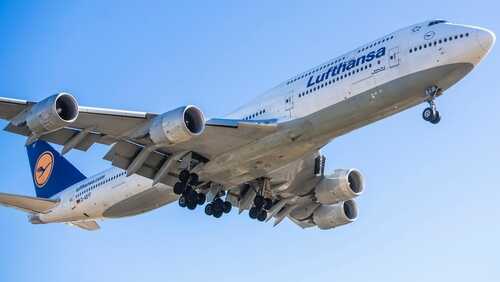
Europe’s largest airline group abandons Israel routes indefinitely, signaling a devastating blow to the nation’s international connectivity as regional security threats force major carriers to prioritize safety over commerce.
Story Snapshot
- Lufthansa Group suspended all Israel flights after Houthi missile strike near Ben Gurion Airport on May 4, 2025
- Some group airlines resumed service in August, but Eurowings remains grounded until October 25 at earliest
- Major competitors like easyJet and Ryanair delay returns until March 2026, creating massive connectivity gaps
- Security concerns following Israel-Iran military escalation continue driving airline risk assessments
Houthi Attack Triggers Mass Aviation Exodus
The Lufthansa Group’s flight suspension began May 4, 2025, following a direct Houthi missile strike near Ben Gurion Airport that sent shockwaves through the international aviation industry. This Iranian-backed terrorist attack on Israel’s primary gateway demonstrated the real dangers facing civilian aircraft and crew members. The strike represented a calculated assault on Israel’s economic lifeline, forcing Europe’s largest airline conglomerate to prioritize passenger safety over profitable routes that connect millions of travelers annually.
Fractured Recovery Reveals Ongoing Vulnerability
While Lufthansa, Austrian Airlines, and Brussels Airlines resumed Tel Aviv flights in August 2025, the group’s fragmented approach exposes persistent security weaknesses. Eurowings maintains its suspension through October 25, with Swiss Airlines providing limited details about September resumption plans. This staggered return reflects the complex risk calculations airlines face when Iranian proxies continue threatening civilian infrastructure. The cautious timeline demonstrates how terrorist tactics successfully disrupt normal commercial operations months after initial attacks.
Competitor Airlines Extend Israel Isolation
Major European carriers have implemented even longer suspensions than Lufthansa Group, with easyJet and Ryanair refusing to return until March 2026 and October 2025 respectively. These extended delays compound Israel’s connectivity crisis while rewarding terrorist aggression with sustained economic damage. United Airlines resumed July flights, but European hesitancy contrasts sharply with American carrier confidence in Israeli security measures. The divergent approaches highlight how regional instability creates competitive imbalances in international aviation markets.
Economic Warfare Through Aviation Disruption
The prolonged flight suspensions represent successful economic warfare by Iran and its terrorist proxies against Israel’s tourism and business sectors. Reduced European connectivity increases travel costs, limits capacity, and isolates Israeli communities from diaspora populations across Europe. These disruptions achieve strategic objectives without direct military confrontation, demonstrating how terrorist threats can cripple civilian infrastructure. The aviation crisis underscores Israel’s vulnerability to asymmetric attacks targeting economic rather than purely military assets.
Major airline announces it may never return to Israel – The Independent https://t.co/jPmxTgL35s
— Rozina (@Sheeraz037) September 12, 2025
Airlines face impossible choices between commercial interests and crew safety when operating in regions where terrorist organizations target civilian aircraft. The Lufthansa Group’s measured response reflects responsible risk management, but prolonged suspensions reward terrorist tactics while punishing innocent travelers and businesses dependent on reliable international connections.
Sources:
Lufthansa Group to partially resume Israel flights
Lufthansa Group party resumes flights to Israel from 1 August
Flight cancellations to Israel extended by major airlines